Vertical Motion
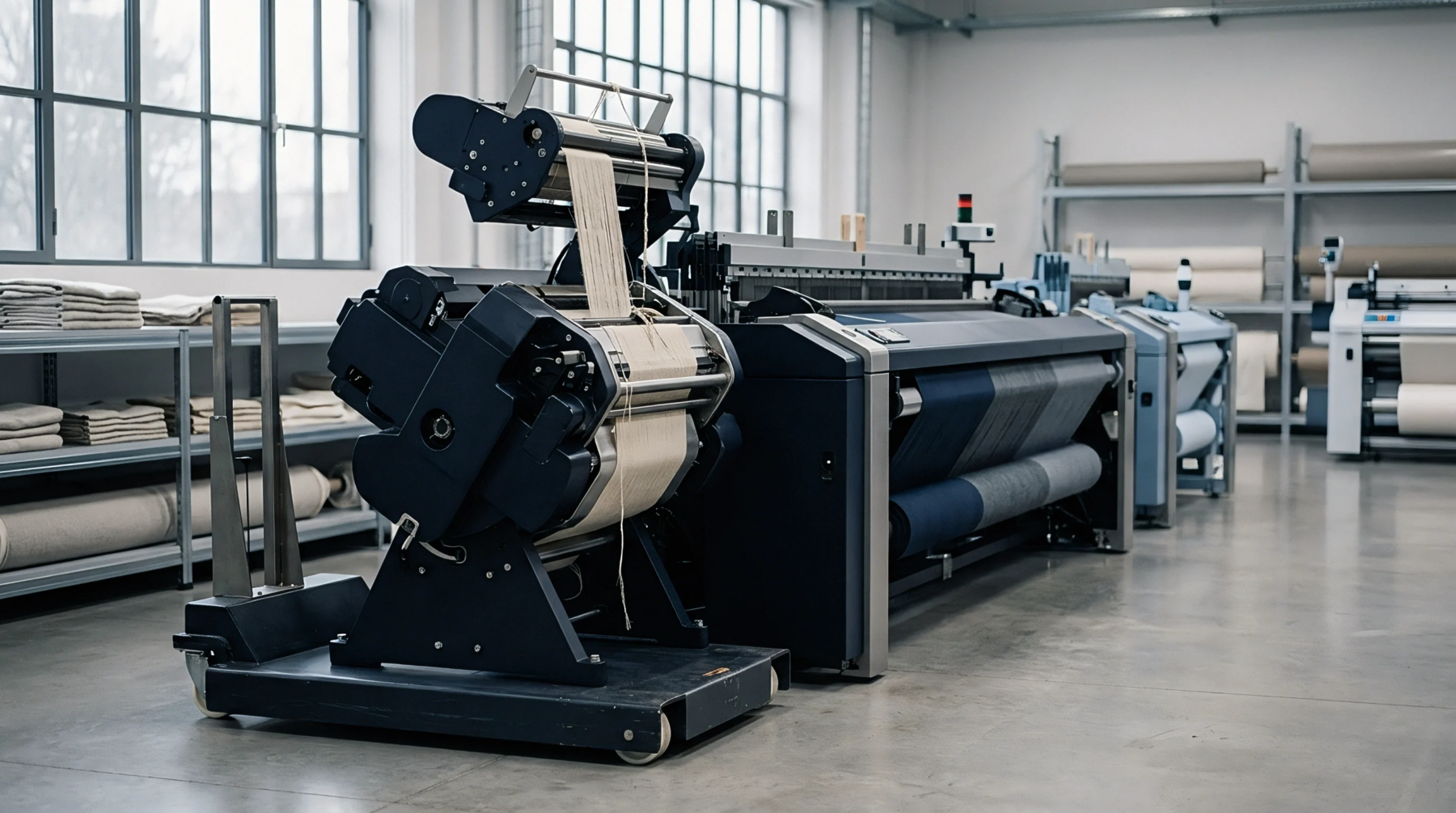
Mechanical displacement dictates how far the heald frame stroke height travels inside the shedding mechanism of the loom during the conversion of flax yarn into woven linen cloth. Chinese mills record this vertical travel inside the technical specification sheet that accompanies the loom setup before production runs begin. Operational limits stop applying when the machine switches from rigid shuttle insertion to projectile systems because different kinematics take over the drive assembly.
A mill operator must verify that the vertical dimension matches the shed geometry specified for medium weight fabric grades.
Shed Clearance
Vertical clearance depends entirely upon the upward and downward displacement of the harness shafts during every pick. Warp threads made from processed flax fibres demand precise opening dimensions to prevent filament chafing while the shuttle passes through the gap. Exceeding the maximum vertical limit creates excessive tension on the bottom line, which breaks brittle yarns before the reed beats them into the fell of the cloth.
Mechanics adjust eccentric gears until the calibrated measurement aligns with the buyer acceptance criteria established for export quality linen garments.
Operational Variance
Production floors sometimes experience thermal expansion inside the cast iron linkages, altering the actual travel distance during continuous three shift operations. Quality controllers measure the deviation using a dial indicator during routine maintenance intervals before signing off on the batch log. Fibre grades derived from wet spun flax tolerate tighter shedding geometries than dry spun alternatives because moisture increases elasticity within the strand.
Adjusting the drive linkage restores correct vertical travel whenever workshop supervisors detect uneven pick density in the finished textile rolls.