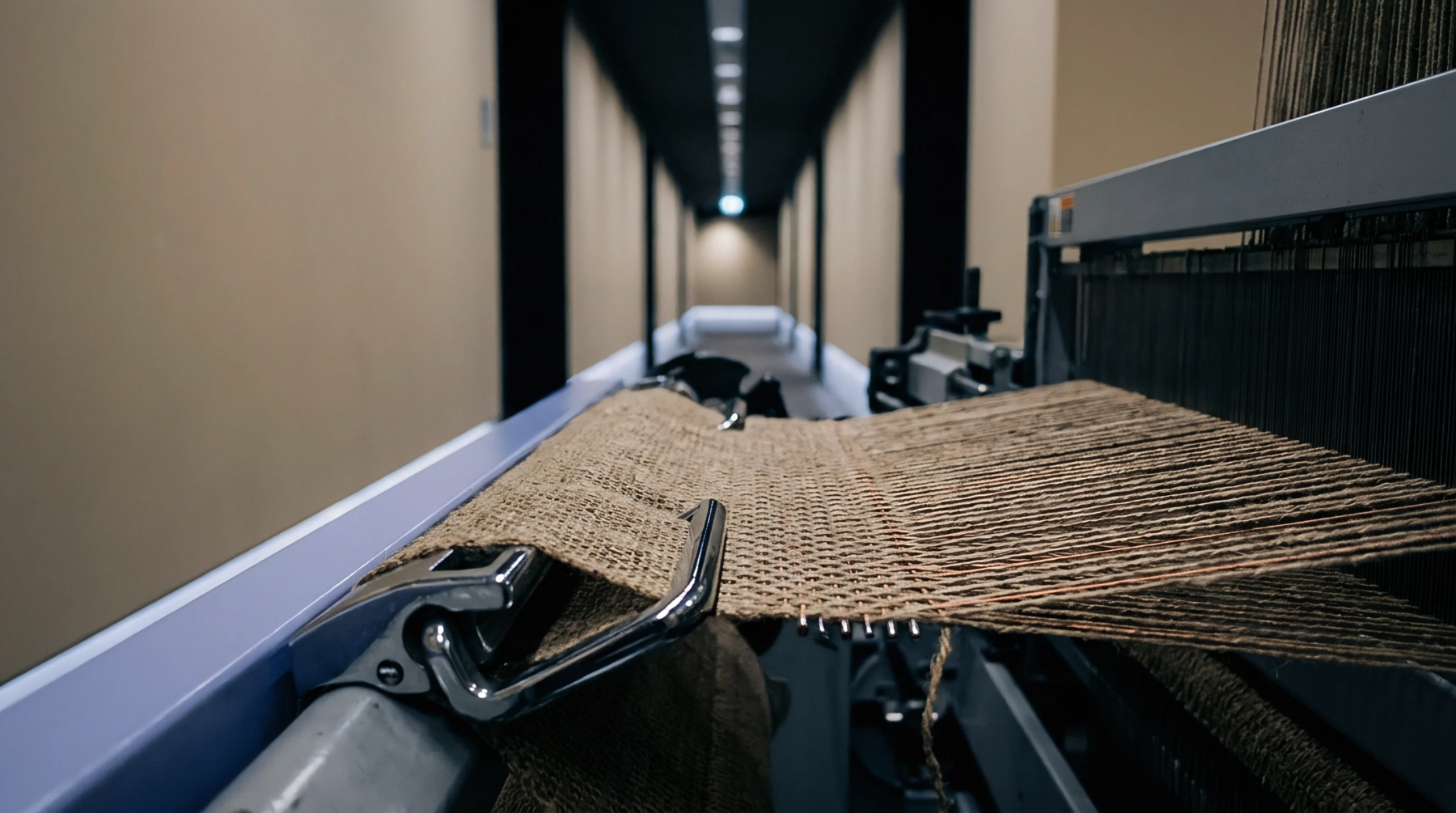
Loom-State Evaluation
Quality control protocols require the systematic examination of woven fabrics immediately after they are removed from the loom and before any chemical finishing occurs. Performing a grey linen inspection allows mills to identify weaving faults, yarn irregularities, and structural defects in the raw loom-state fabric. This early detection ensures that production issues are corrected before the material undergoes bleaching or dyeing.
The results of the check are documented in a standardized grading report.
Defect Identification
Inspectors pull the fabric over a backlit inspection table to scan for broken warp threads, thick weft yarns, and mechanical oil stains. During the grey linen inspection, every flaw is registered and categorized according to its severity and length. Minor irregularities like small slubs are often accepted, while major defects like missing threads require the piece to be downgraded.
The frequency of these issues is calculated per hundred meters to determine the overall grade of the roll. Because finishing processes can mask or worsen certain structural flaws, evaluating the fabric at this stage is essential for accurate quality assessment.
Sorting Protocol
Inspected rolls are sorted into different quality classes to match the requirements of specific buyers. This classification prevents substandard cloth from being sent to high-value finishing lines. Mills use the inspection data to optimize loom maintenance schedules and adjust yarn preparation methods.
Proper sorting reduces waste and maintains the manufacturer’s quality reputation.