Chemical Reduction
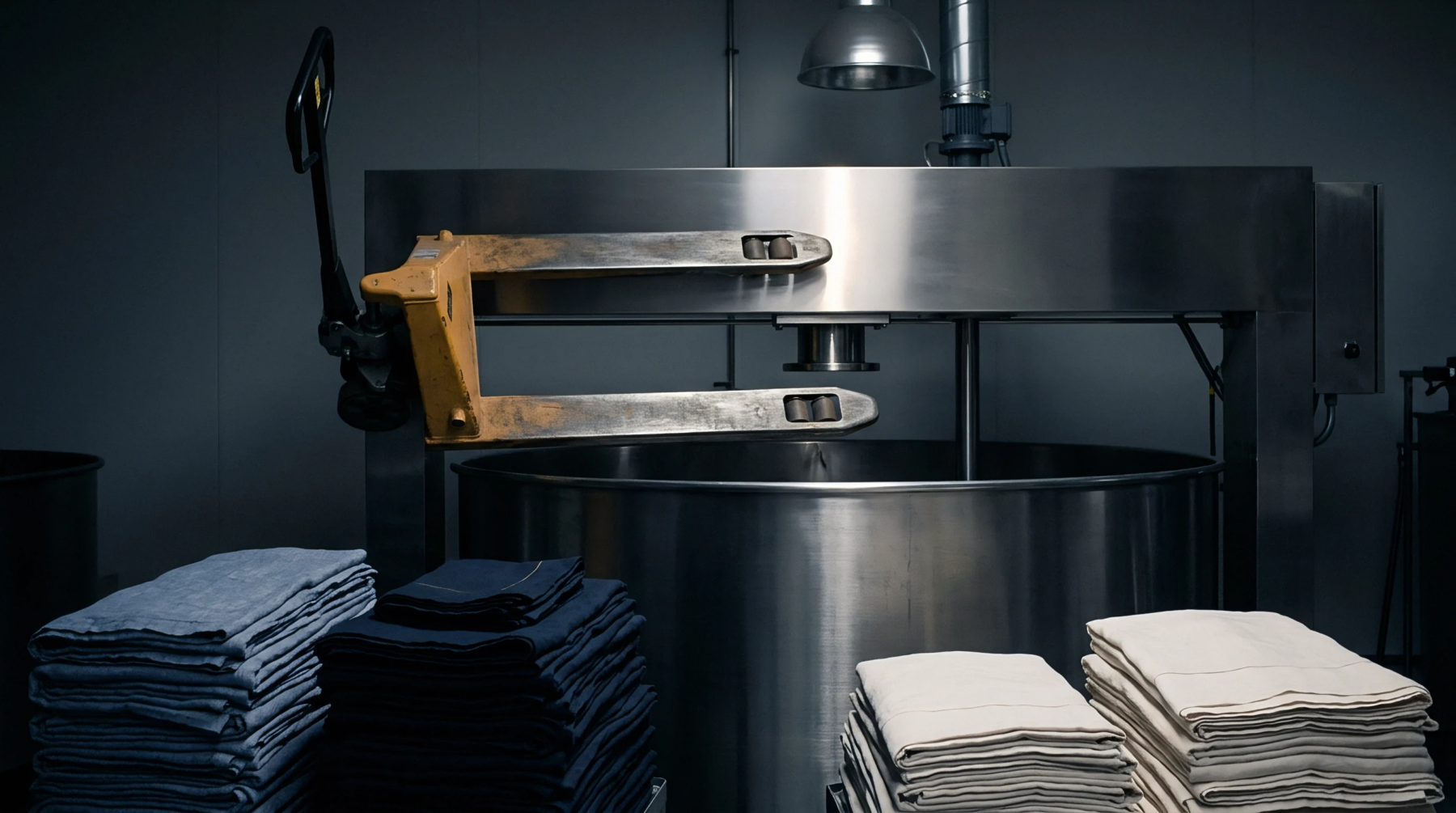
Gravimetric mass reduction following hot alkaline boiling forms the technical baseline for evaluating flax fiber scour loss during early wet processing in Chinese manufacturing facilities. Raw hackled stems undergo pressurized alkaline treatment using sodium hydroxide baths to dissolve residual pectins, hemicellulose, and natural waxes that bind individual elementary cells together. This chemical extraction procedure removes non cellulosic bonding agents from technical bundles to prepare the substrate for subsequent spinning operations.
Technical documentation accompanying each production lot records this mass differential on laboratory test certificates issued prior to yarn formation. Process engineers calculate the exact dissolution ratio by weighing dry raw material samples before boiling and comparing those figures against the washed dry weight retrieved after standard rinsing cycles.
Processing Stage
The preparatory chemical stage occurs immediately after mechanical hackling and prior to wet spinning lines in regional yarn manufacturing plants. Operators monitor bath temperature, alkali concentration, and treatment duration to control the rate of extraction and prevent cellulose degradation during prolonged boiling. Laboratory technicians sample each incoming batch from regional flax supply farms to verify that chemical dissolution stays within established mill tolerances before releasing material to carding departments.
Production supervisors record these laboratory findings in internal batch registers to track raw material variability across different harvest seasons and supplier origins. Excessive dissolution during boiling weakens technical bundles and causes fiber breakage during subsequent drafting operations, while insufficient treatment leaves bonding gums intact and hinders subsequent drawing efficiency.
Quality Compliance
Mill acceptance protocols establish strict numerical thresholds for mass reduction to separate acceptable processing stock from rejected material lots before yarn spinning begins. Export quality standards demand specific gravimetric tolerances because variations in chemical dissolution directly affect final yarn strength, moisture absorption, and dye affinity in woven textile goods. Commercial purchase contracts bind suppliers to agreed dissolution limits, and independent testing laboratories verify compliance by drawing random samples from delivery lots destined for international trade.
Buyer specifications differ from internal mill targets because commercial clients establish narrower acceptable windows based on fabric hand feel and bleaching requirements rather than raw spinning efficiency. Final commercial settlement depends entirely on these laboratory verification certificates matching the parameters defined in the original export agreement.