Fibre Mechanics
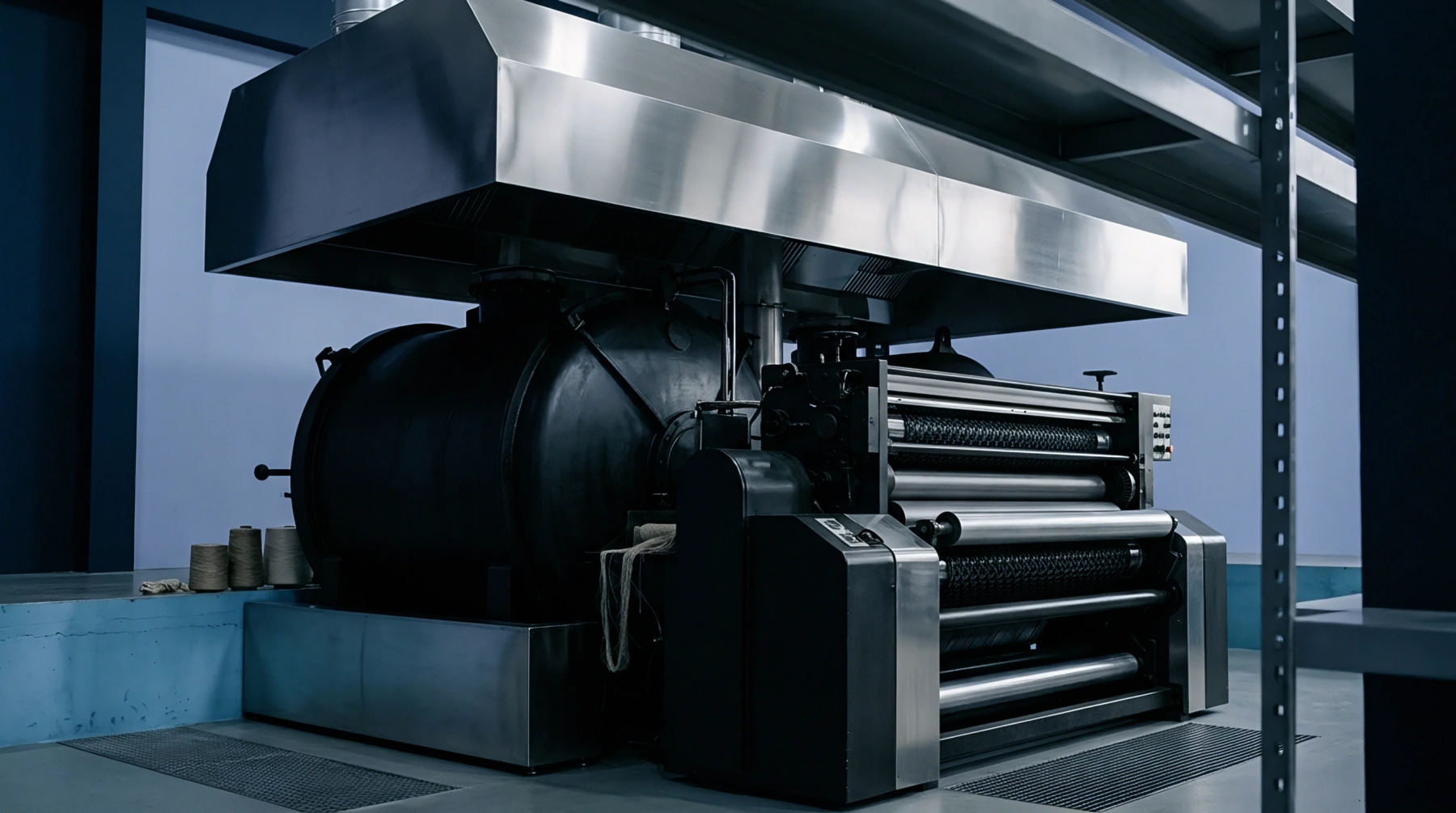
Flax slippage occurs during the high-speed drafting phase of wet spinning in Chinese mills, where individual bast strands slide past neighbouring filaments prematurely within the drawing roller assembly. This mechanical displacement disrupts the parallel alignment required for uniform yarn production and creates thin spots along the continuous strand. Drafting force must exceed the frictional restraint of the pectin matrix holding the technical fibres together, yet excessive roller pressure crushes the delicate plant cells and ruins the natural lustre of the flax.
Quality Protocol
Mill inspectors record this displacement severity on the daily batch card during sliver testing, separating internal mill benchmarks from strict buyer acceptance thresholds. A raw fibre grade evaluates length distribution and impurity counts before processing begins, whereas finished fabric standards measure tensile strength and surface regularity after weaving. Buyer contracts establish maximum allowable irregularities per kilometre of yarn, whereas operational guidelines inside the facility enforce tighter tolerances to prevent loom stoppages during subsequent weaving operations.
Spinning Tolerance
Draft settings determine the tension ceiling for every production line, and operators adjust roller weighting whenever seasonal retting variations alter moisture retention within the flax ribbons. Excess humidity softens the natural gums and increases unwanted sliding during drafting, forcing technicians to reduce machine speeds to preserve linear density. Strict adherence to these mechanical limits ensures that exported linen cloth maintains consistent weight across every commercial shipment.