Process Efficiency
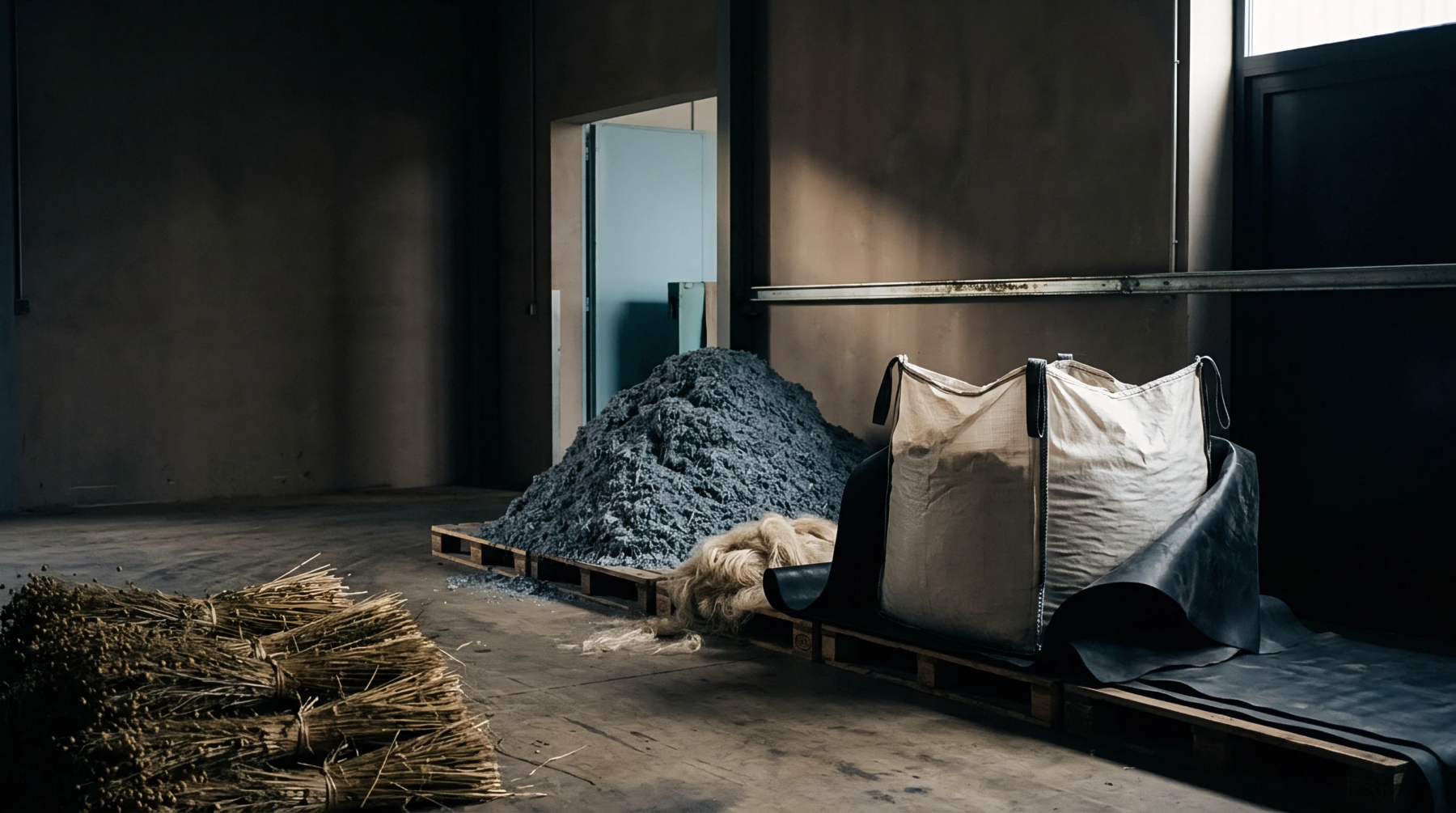
Flax preparation processes require multiple stages of drafting and doubling to align the long fibers into a uniform sliver before spinning. The performance metric called drawing waste rate calculates the weight of short fibers and loose dust removed by the draw frame faller bars relative to the total weight of the entering sliver. This metric evaluates both the quality of the incoming fiber shipment and the mechanical condition of the drawing pins.
It is tracked on the mill floor as part of the daily shift production report. A low value indicates that the fiber bundle length is consistent and that the drafting pins are properly set.
Economic Consequence
Raw material utilization directly influences the per-kilogram production cost of the finished linen yarn. A high drawing waste rate increases the volume of non-spinning material that must be sold as low-value tow or recycled into coarse industrial products. To keep this rate within the standard five percent limit, mills must adjust the drafting speeds and pin densities according to the moisture content of the flax.
If the fibers are too dry, they fracture easily during the drawing process, causing the amount of waste to rise rapidly. Proper relative humidity control in the drawing room helps maintain fiber flexibility and reduces generation of this waste.
Quality Boundary
Measurement accuracy depends on the complete collection of all fly and faller waste over a full operating shift. The metric does not account for waste generated in subsequent spinning or winding operations, which are measured independently on their own dockets.