Processing Mechanism
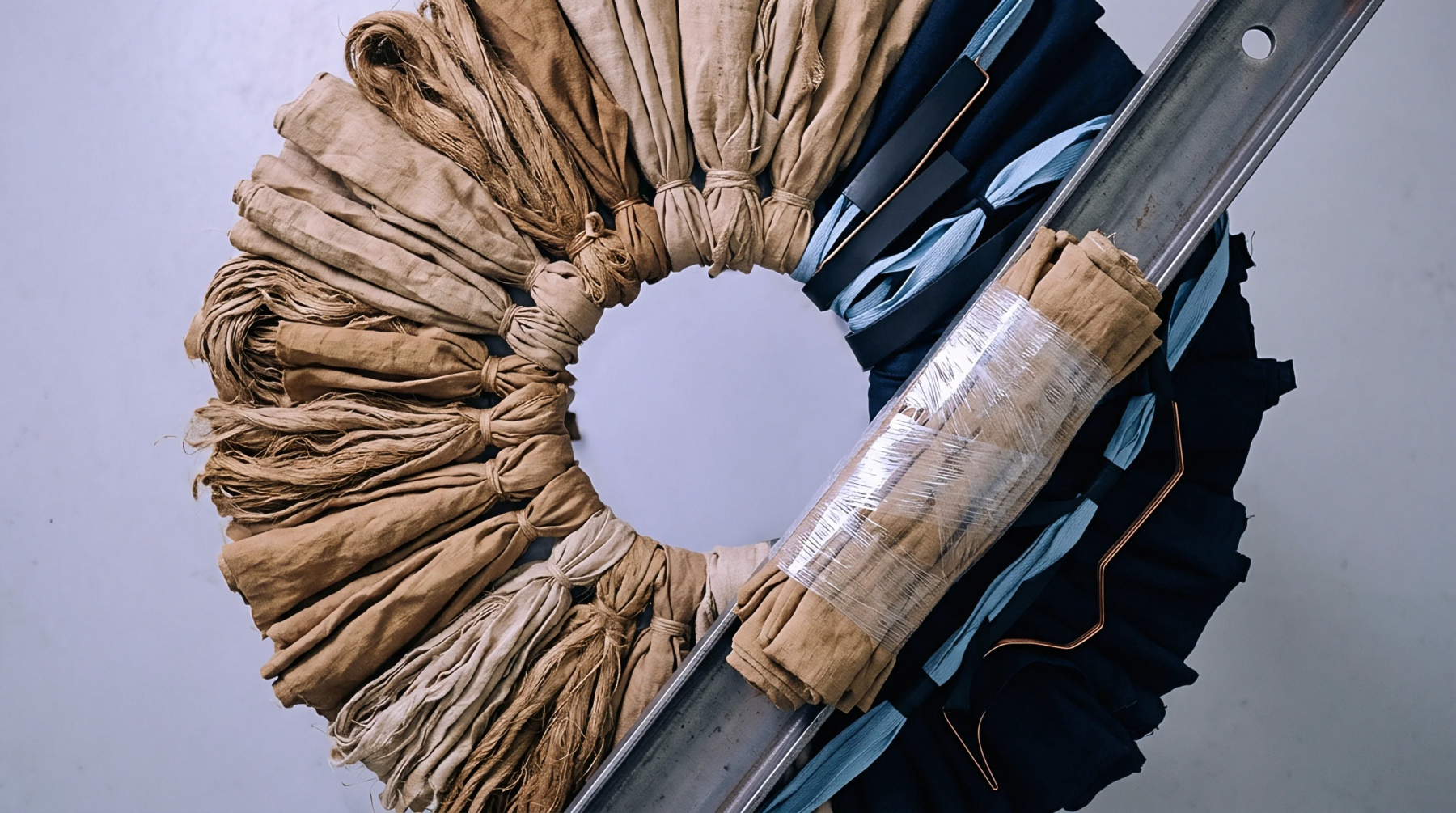
Microbial action separates pectin from cellulose within stalks through exposure to moisture and soil organisms. Dew retting fractionation relies on this degradation to loosen bast fibres for mechanical extraction. Extended moisture contact weakens non-cellulosic components which allows the woody core to detach more efficiently.
Separation intensity varies according to humidity levels and duration of soil contact.
Batch Assessment
Quality control personnel evaluate fibre bundles post-treatment to determine the efficacy of the enzymatic breakdown. Dew retting fractionation yields a specific colour profile and tensile strength distribution that differs from chemically treated alternatives. Inspectors verify that the stalk remains intact enough for decortication while checking for excessive fungal rot.
Such analysis informs the sorting process before material moves into primary spinning machines.
Traceability Requirement
Production records link the moisture-exposed bundles to specific field lots within the official mill ledger. Dew retting fractionation involves distinct handling phases that influence the final spinning yield and the resulting yarn characteristics. Mill managers audit these steps to confirm that moisture levels stayed within the tolerances for premium textile output.
Precise monitoring during this phase prevents irreversible degradation of the cellulose strands. Accurate data logging secures the consistency of the supply chain through to the export stage.