Processing State
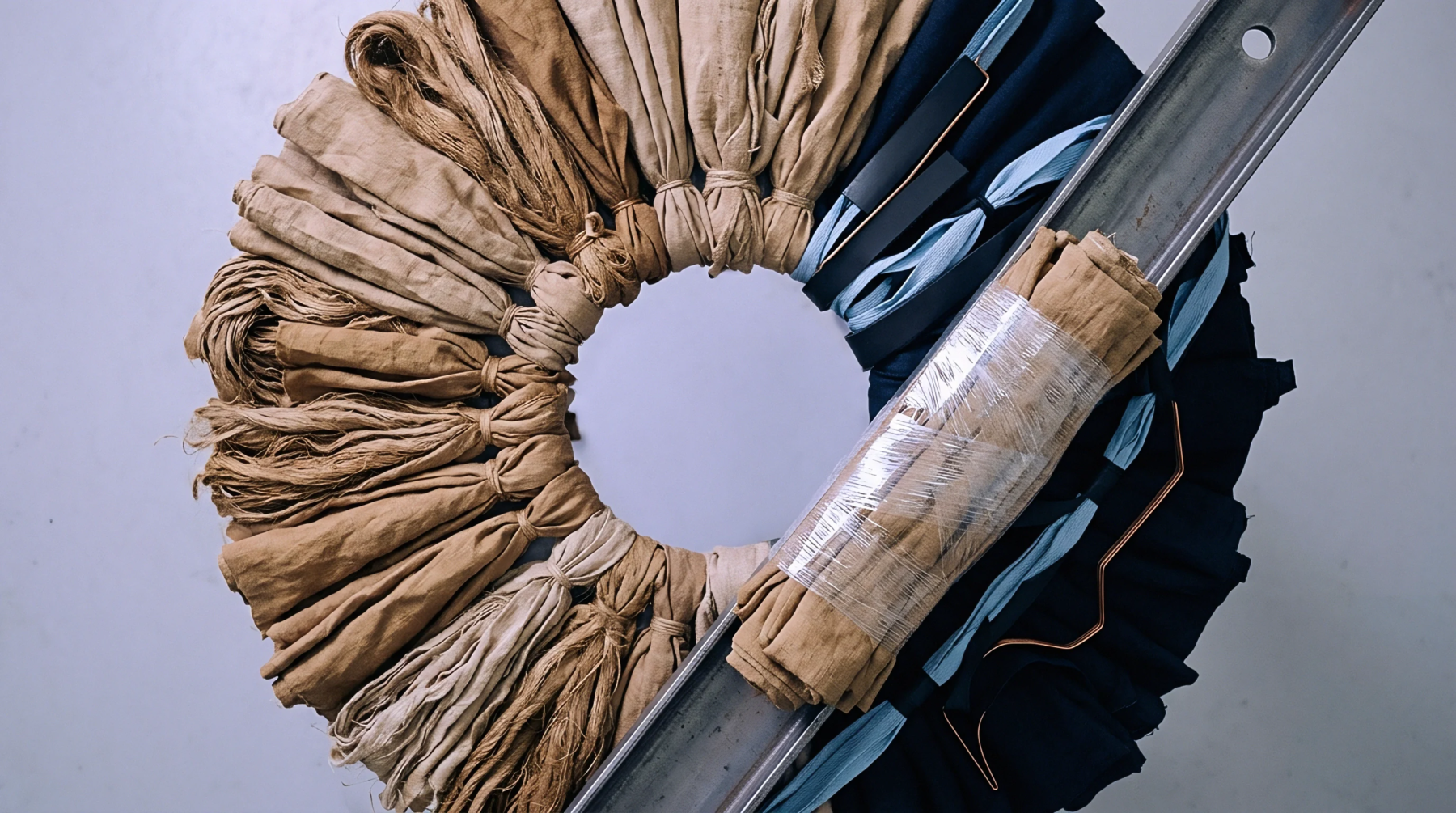
Intermediate flax bundles produced from fiber exposed to field moisture represent a specific stage in yarn preparation. When mills receive dew retted roving, the material has already undergone scutching and carding to align the bast fibers. Internal moisture levels in these bundles must stay within narrow limits to prevent fungal growth during storage.
Silver-grey coloration indicates a successful retting process on the soil.
Yield Variation
Production efficiency during the spinning of this material depends on the consistency of the retting climate. While dew retted roving provides high tensile strength, the variability of rainfall in the flax fields introduces inconsistencies in the pectin breakdown. Spinning frames require adjustments for every batch to account for different fiber friction levels.
Excessive dryness makes the roving brittle and increases breakages on the ring frame. Software tools are used in some mills to monitor the draft ratio closely so the yarn diameter remains constant across the entire lot.
Grading Protocol
Quality assessment for this material relies on the long fiber percentage recorded in the mill log. Laboratory tests measure the fineness and the remaining bark content to assign a commercial grade. High-quality bundles show a uniform distribution of fibers with minimal short straw pieces.
Poorly retted batches fail the strength test and are diverted to lower count yarns.