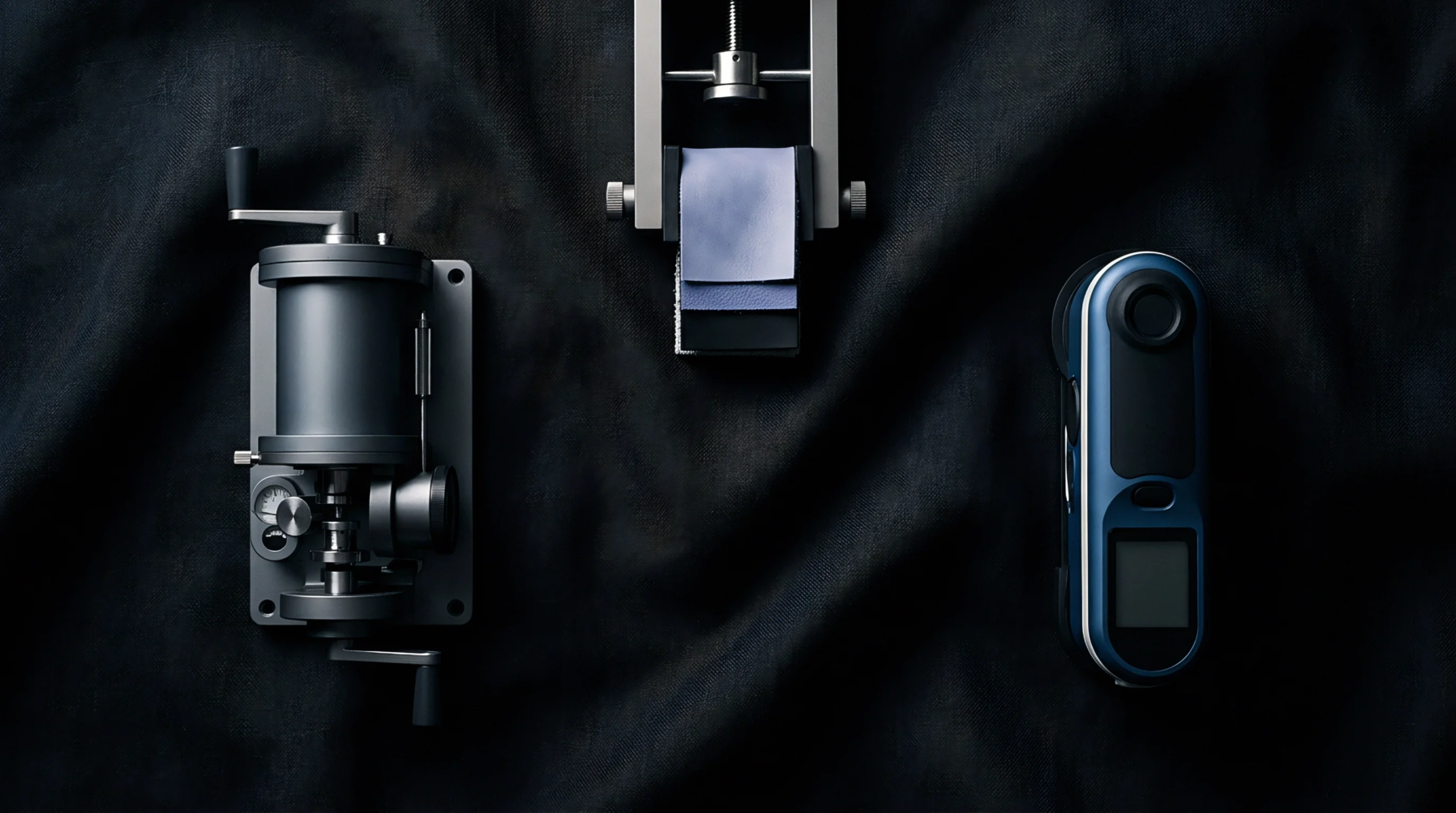
Isotopic Signature
Stable carbon isotope ratios in plant tissue indicate the photosynthetic pathway and the local water availability during the growing season. This specific measurement, expressed as delta 13c, quantifies the ratio of carbon thirteen to carbon twelve in the extracted cellulose of flax fibers compared to an international standard. The resulting value differentiates plants grown under varying levels of moisture stress.
Textile verification programs use this ratio to trace the geographical origin of the flax.
Environmental Indicator
The rate of carbon isotope fractionation in flax leaves depends on stomatal conductance, which decreases when the plant experiences water deficit. Under dry conditions, the plant is less selective and incorporates a higher proportion of the heavier carbon isotope into its sugars. This process leads to a less negative value in the cellulose of the mature fiber.
Conversely, well-irrigated flax displays a more negative ratio because the stomata remain open, allowing the plant to favor the lighter isotope. By analyzing the isotopic distribution across a harvest, researchers can map the local climate conditions of the cultivation region, establishing a baseline for the season. This variation is particularly distinct between Western European maritime fields and the drier agricultural zones of inland Asia, making the isotopic measurement a highly reliable geographic indicator.
Origin Verification
Mass spectrometry analysis of the purified linen cellulose determines the precise isotopic value of the finished fabric. This measurement is then matched against a global reference database of flax growing regions to verify the country of origin declared on the shipping documents. If the value diverges from the reference baseline of the declared region, the batch is flagged for potential mislabeling.
This isotopic profiling provides a reliable method for detecting the substitution of cheap fibers.