Chemical Preparation
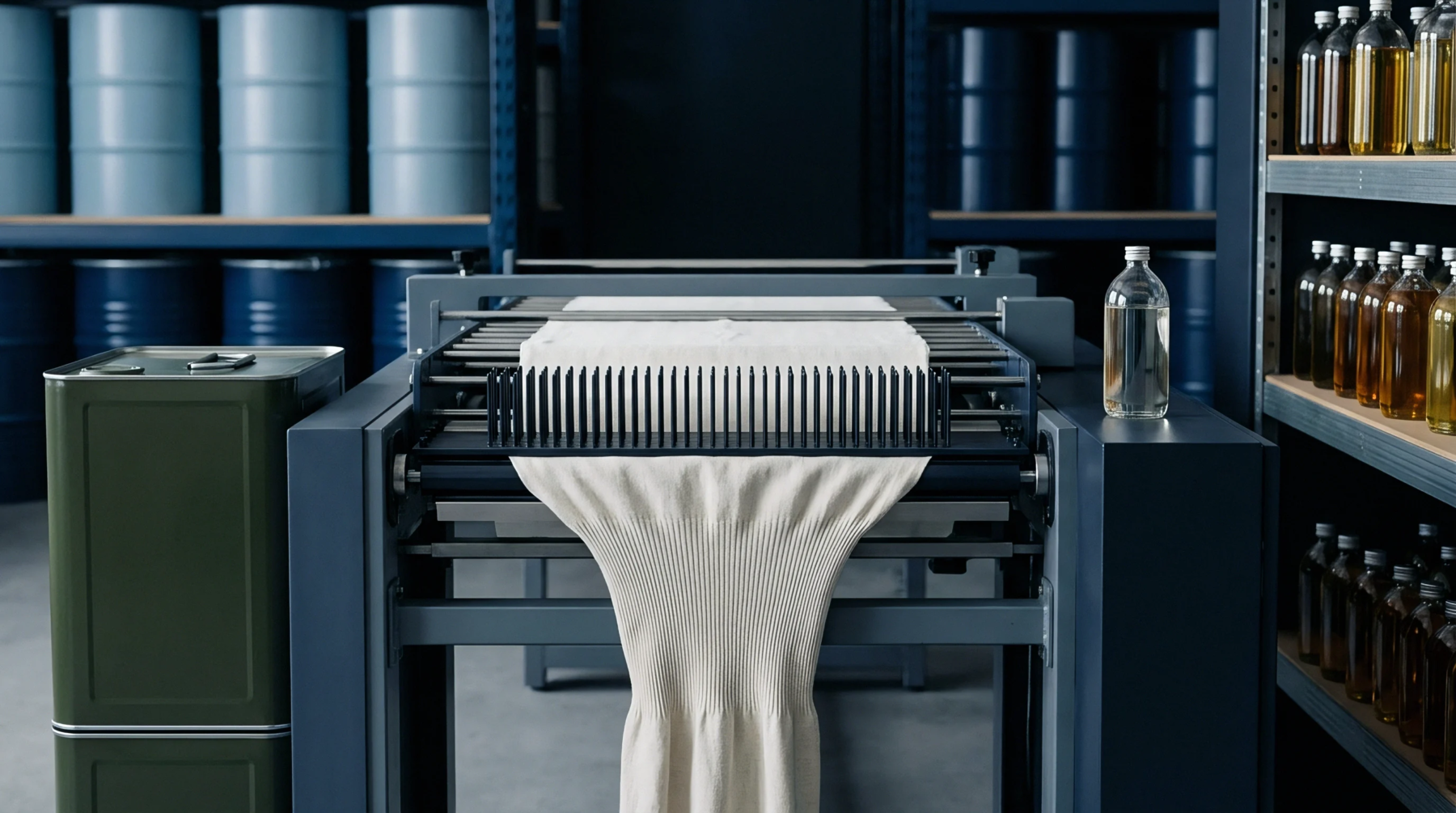
Mechanical reduction of flax bast fibre lengths into shorter segments approximates the physical dimensions of seed hair to allow for processing on conventional spinning equipment. Cottonization modifies the inherent stiffness of natural flax stalks through chemical degumming or mechanical beating until the ultimate fibres reach a length suitable for high speed textile machinery. This procedure removes non-cellulosic constituents such as pectin and lignin that bind the fibre bundles together.
Removing these components allows the bundles to split into individual filaments which possess higher flexibility. Consistency in the resulting fibre length determines how effectively the material interacts with mechanical carding rollers during downstream manufacturing stages.
Processing Standard
Documentation within a Chinese mill identifies this transformation as a necessary step for converting long vegetable stalks into a feedstock compatible with existing production lines. Technicians perform tests on the prepared samples to verify that the degree of separation meets specific length distribution requirements before the spinning stage begins. Mill operators maintain internal logs that map the correlation between the intensity of chemical treatment and the final tensile strength of the fibre.
Excess processing duration results in degradation of the cellulose polymer chains which reduces the durability of the final yarn. Buyers review these batch records to ensure the input material aligns with their specific machine tolerances for twist and tension.
Commercial Limit
Acceptance criteria for exported textile products often demand a clear distinction between pure natural fibre grades and those which have undergone this specific modification process. Manufacturers define the boundary for this category by the physical length of the processed fibre segments and the residual chemical content found on the surface of the bundles. Markets treat these modified fibres as a distinct category because the physical properties depart from the performance profiles associated with untreated flax or standard seed hair.
Producers mark the bales to indicate the intensity of the processing to prevent contamination in subsequent blending operations. Final specifications for these materials depend entirely on the compatibility between the processed fibre dimensions and the mechanical constraints of the buyer’s spinning infrastructure.