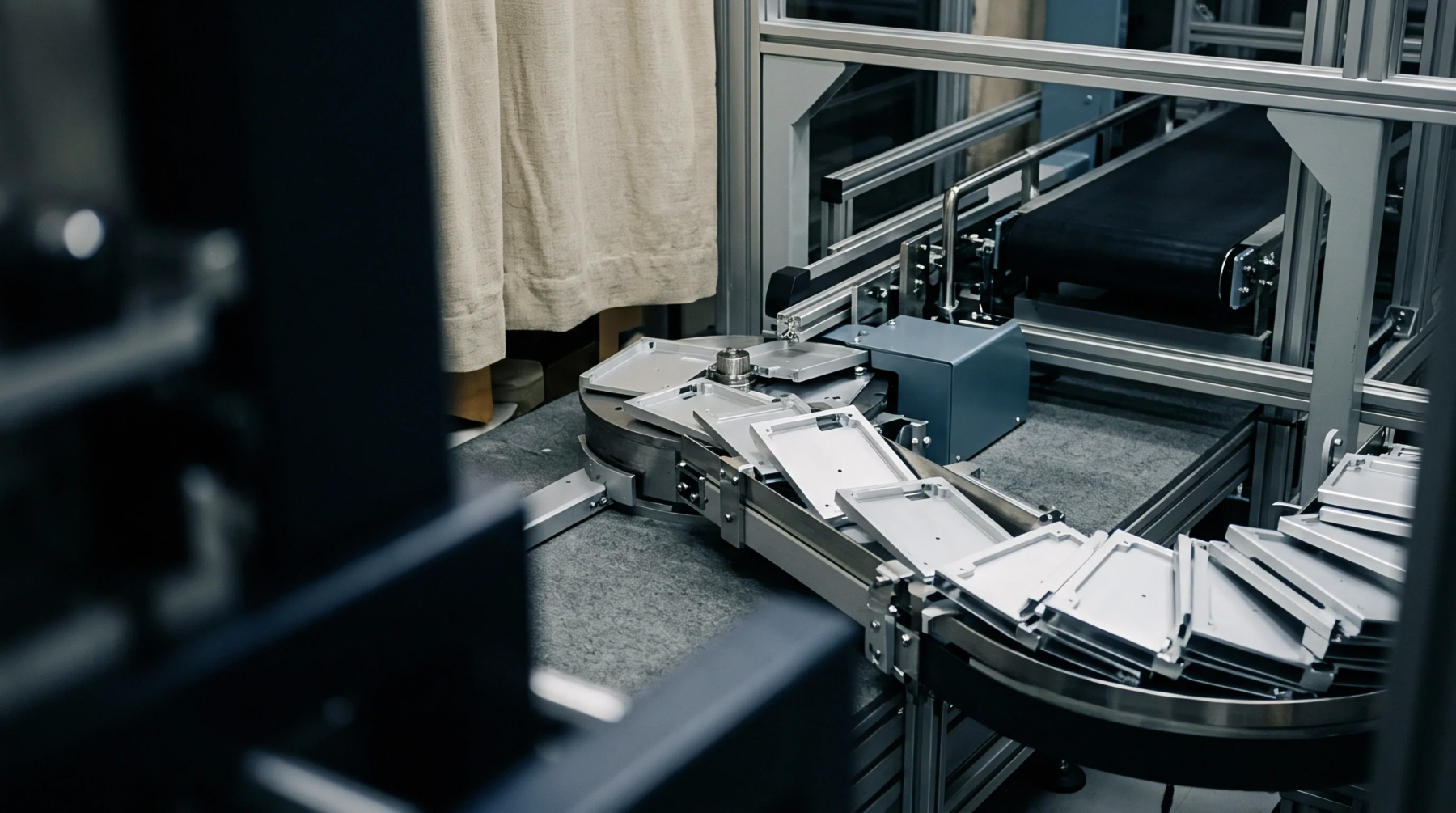
Manufacturing Center
Industrial facilities designed for the processing of raw flax into yarn and textiles constitute the primary hub for global linen production. Most chinese flax mills operate within a vertically integrated structure that handles everything from the initial hackling of imported or domestic straw to the final finishing of the fabric. These entities supply the majority of the world’s linen yarn, utilizing large-scale wet spinning technology.
Operational Logic
Processing stages in these plants often begin with the classification of fibre bundles based on length and strength. Automated machinery then performs the drawing and roving steps necessary to prepare the flax for spinning frames. Because chinese flax mills often process high volumes, they maintain internal laboratories to monitor moisture content and yarn evenness throughout the shifts.
Consistent output relies on the maintenance of specific humidity levels in the spinning halls to prevent the flax from becoming too brittle for high-speed production. Technicians calibrate the drafting rollers every morning to ensure the uniformity of the roving.
Market Grading
Buyers evaluate these facilities based on their ability to meet international certifications for traceability and chemical safety. While a mill’s own standard might focus on output volume, the export criteria often demand strict adherence to yarn hairiness and tensile strength limits. Final inspection documents record the grade of the linen cloth before it leaves the facility for garment manufacturers.
Success in the global market depends on meeting these external quality benchmarks.