Cleavage Velocity
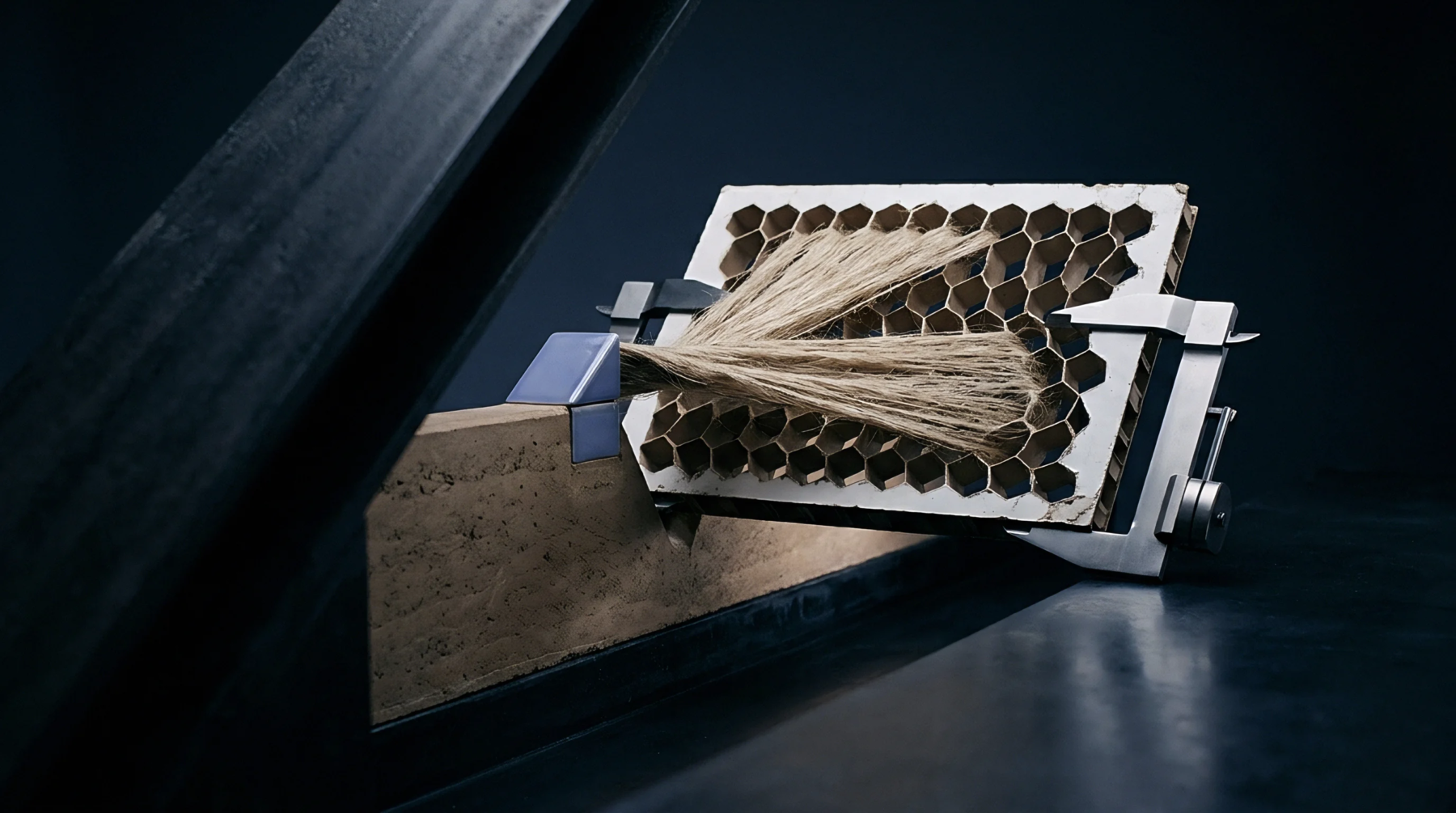
Reaction rates during enzymatic retting describe how quickly pectin bonds in middle lamellae degrade to release technical fibers from flax straw bundles. Measurements of bundle splitting kinetics record the reduction in fiber bundle diameter per unit of incubation time under controlled bath temperatures. When processing flax straw in wet spinning preparation tanks, enzyme concentration dictates the rate of bundle dissociation.
Rapid splitting yields finer fiber strands suitable for high-count yarn production. Slow reaction rates leave thick fiber clusters that cause yarn unevenness and lower drafting speed.
Digestion Mechanism
Pectinase enzymes target the calcium pectate complexes holding individual cortical cells together inside raw bast structures. Temperature increases accelerate catalytic activity until reaching the thermal inactivation point of the enzyme blend. Bath pH values between four point five and five point zero maintain peak hydrolysis speed without damaging cell walls.
Agitation mechanical forces clear dissolved pectic fragments from fiber surfaces to allow fresh enzyme molecules to access internal bundle boundaries.
Spinning Boundary
Over-processing weakens primary cell walls and creates excessive short fiber waste during carding. Bundle splitting kinetics establish the exact residence time required in retting vats to reach targeted linear density without reducing individual fiber tenacity below commercial specifications.