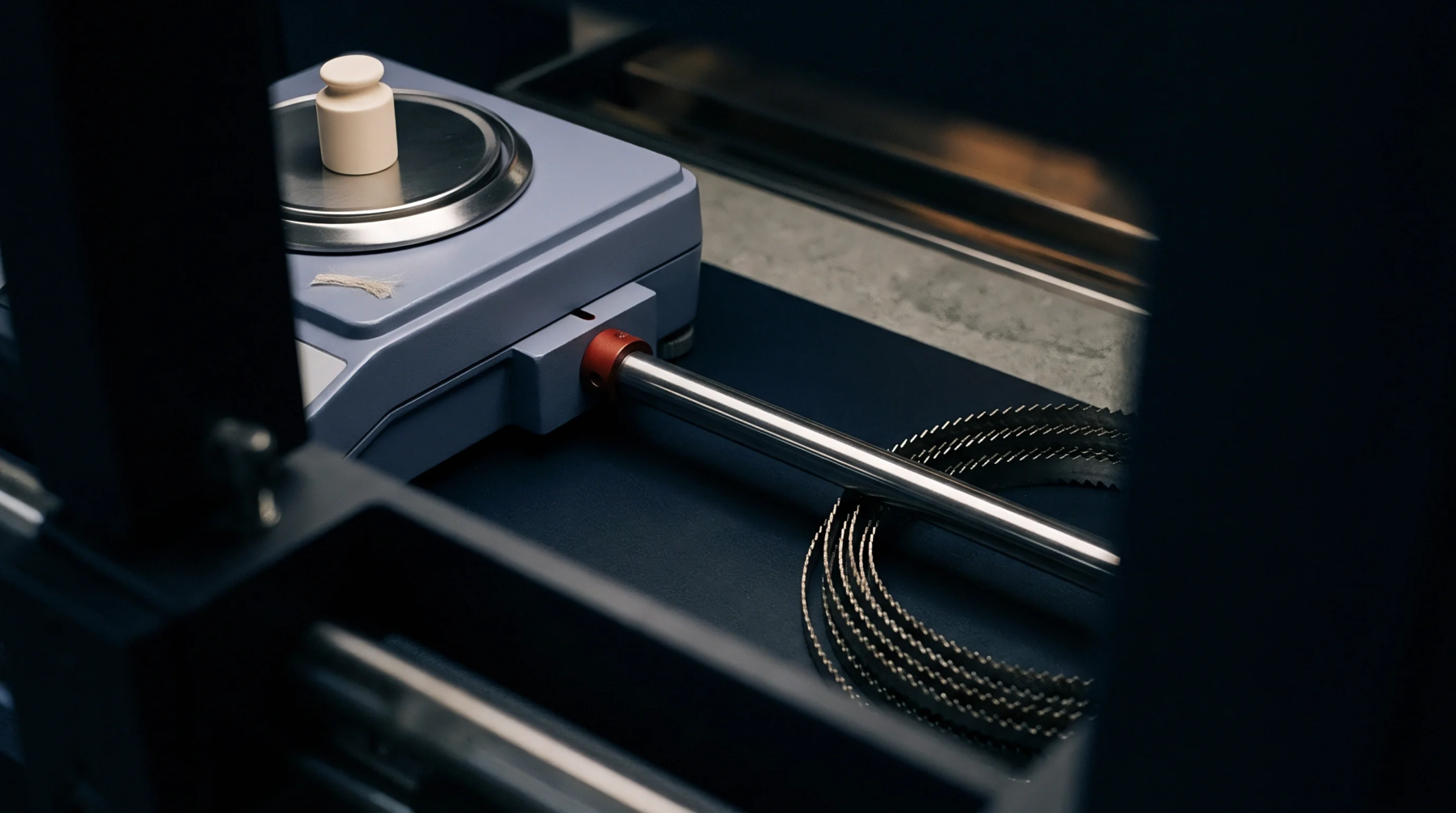
Metrological Verification
Laboratory measurement accuracy depends on systematic verification protocols that compare instrument readings against certified reference masses. Mill quality control laboratories execute analytical balance calibration before performing gravimetric moisture determinations on raw flax fibres or scutching waste samples. The verification procedure establishes the measurement error threshold across the full operating range of a four-decimal microbalance used in fibre analysis.
Quality technicians record the resulting drift data in mill instrument logbooks to validate chemical assay results against buyer specification thresholds.
Mass Adjustment
Standard mass sets certified by national metrology institutes provide the reference values required to evaluate linearity and repeatability performance. Calibration routines identify tiny drift errors caused by ambient temperature shifts or air currents inside spinning mill testing rooms. Early detection prevents systematic weighing errors.
When mass measurements deviate beyond tolerance limits specified in laboratory quality manuals, technicians adjust the internal calibration weights and document the correction factor on the instrument certificate. Corrective adjustments guarantee that moisture regain percentages calculated during raw material intake testing remain accurate across raw flax shipments.
Compliance Boundary
Unverified balances invalidate downstream test reports. Export contracts for flax yarn require third-party verification records when moisture disputes arise between spinning mills and foreign weaving factories. If calibration logs lack traceable reference mass documentation, yarn test certificates lose legal standing under international trading terms.