Control Setpoint
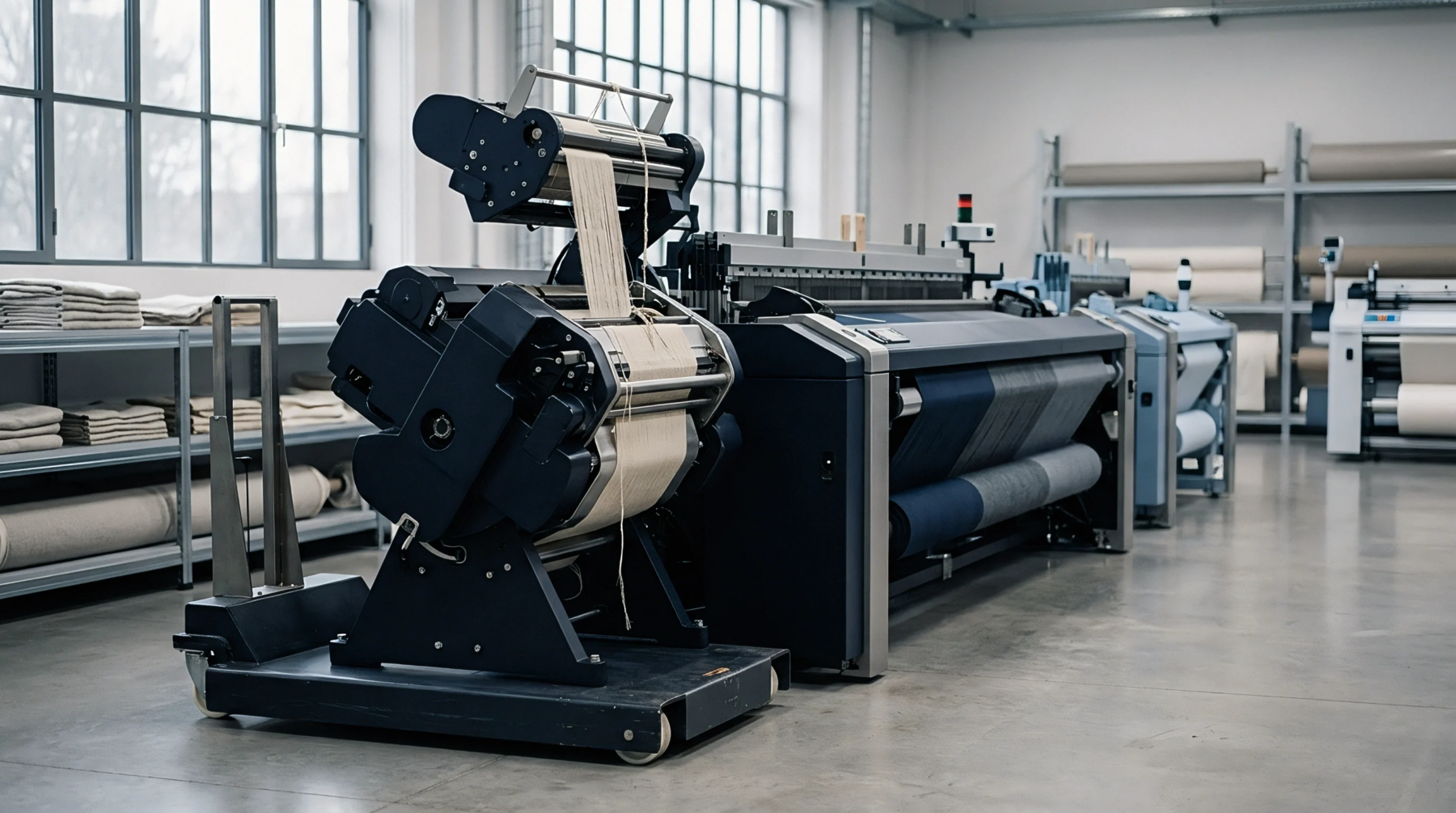
Mechanical forces applied to warp and weft yarns during high-speed insertion determine the stability of the weaving process. Correct air-jet loom tension prevents yarn breakage in flax fibres, which possess lower elasticity than synthetics or cotton. Maintaining a consistent value ensures that the compressed air bursts do not fray the outer bundle structure of the linen.
Insertion Dynamics
Relay nozzles along the profile reed provide the motive force for the weft carrier. Because linen is a heavy and irregular fibre, the air-jet loom tension must account for the higher mass compared to polyester. Insufficient pull results in a slack pick that causes a machine stop.
Excessive pressure damages the pectins holding the flax bundles together. Technicians adjust the brake timing to sync with the arrival of the pick at the receiving side. Constant monitoring of these settings is required to handle the natural variations found in long-staple flax.
Quality Output
Fabric uniformity depends on the balance between the let-off and take-up motions. When air-jet loom tension fluctuates, the resulting cloth shows visible reed marks or thin spots. Frequent checks with a tensiometer at the back rest help verify that the settings match the yarn count.
A stable weaving environment reduces the need for manual mending in the finishing room.