Water Recycling
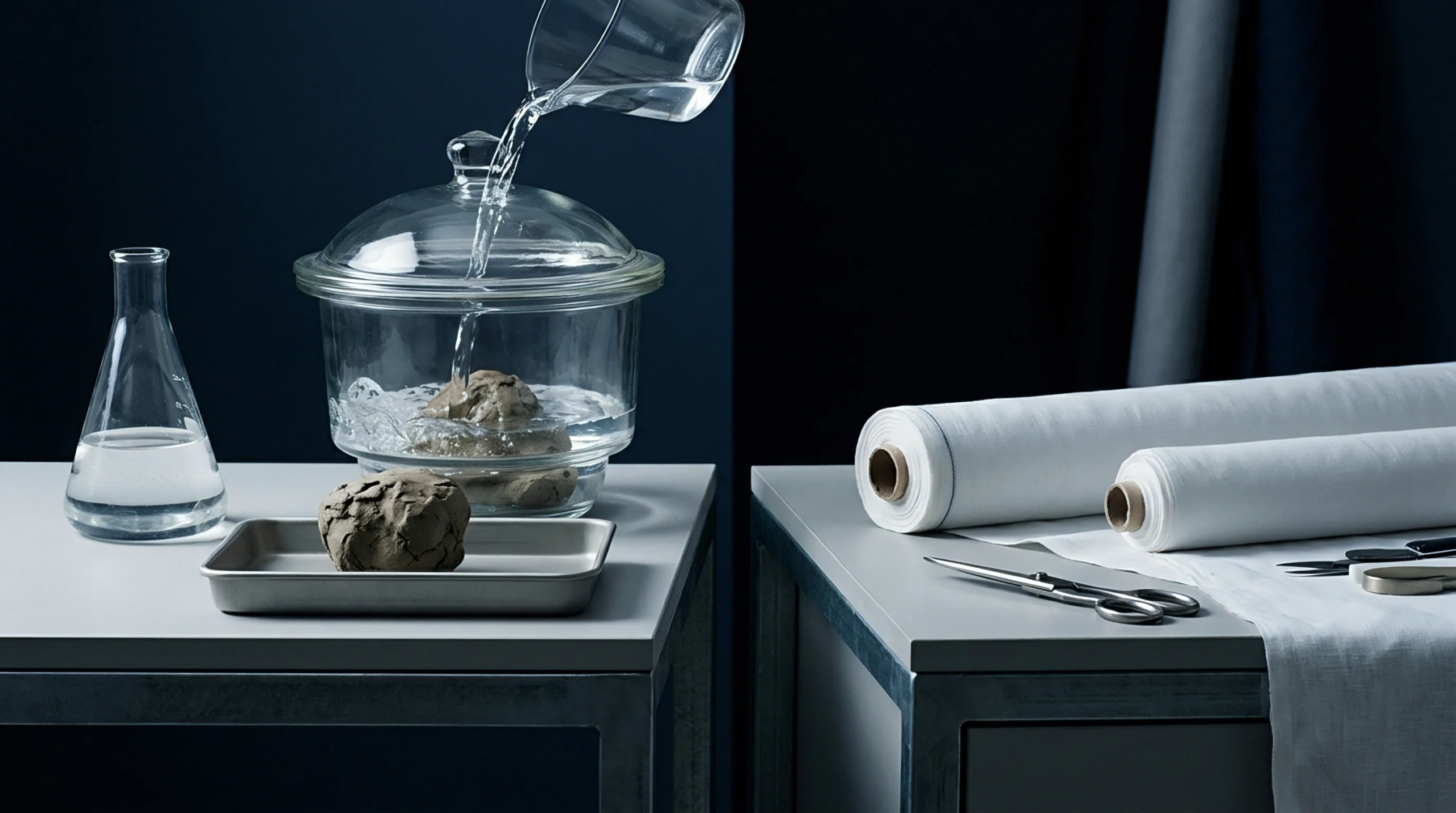
Advanced wastewater treatment systems in textile mills eliminate the release of industrial effluent into the surrounding environment. This configuration, known as zero liquid discharge, recycles all processing water back into the scouring and bleaching operations. The system recovers clean water from the heavily contaminated wastewater streams generated during linen production.
Effluent Concentration
Evaporation and crystallization processes separate the dissolved salts and organic compounds from the liquid stream. This treatment represents the final phase after initial membrane filtration has concentrated the waste. The resulting dry solids are collected for disposal or industrial reuse, while the purified steam is condensed back into high-quality process water.
Spinning mills use this process to handle the concentrated residues from the wet spinning and chemical finishing lines. Automated monitoring ensures that the concentration ratio is kept within limits to prevent premature crystallization inside the heat exchangers.
Mill Integration
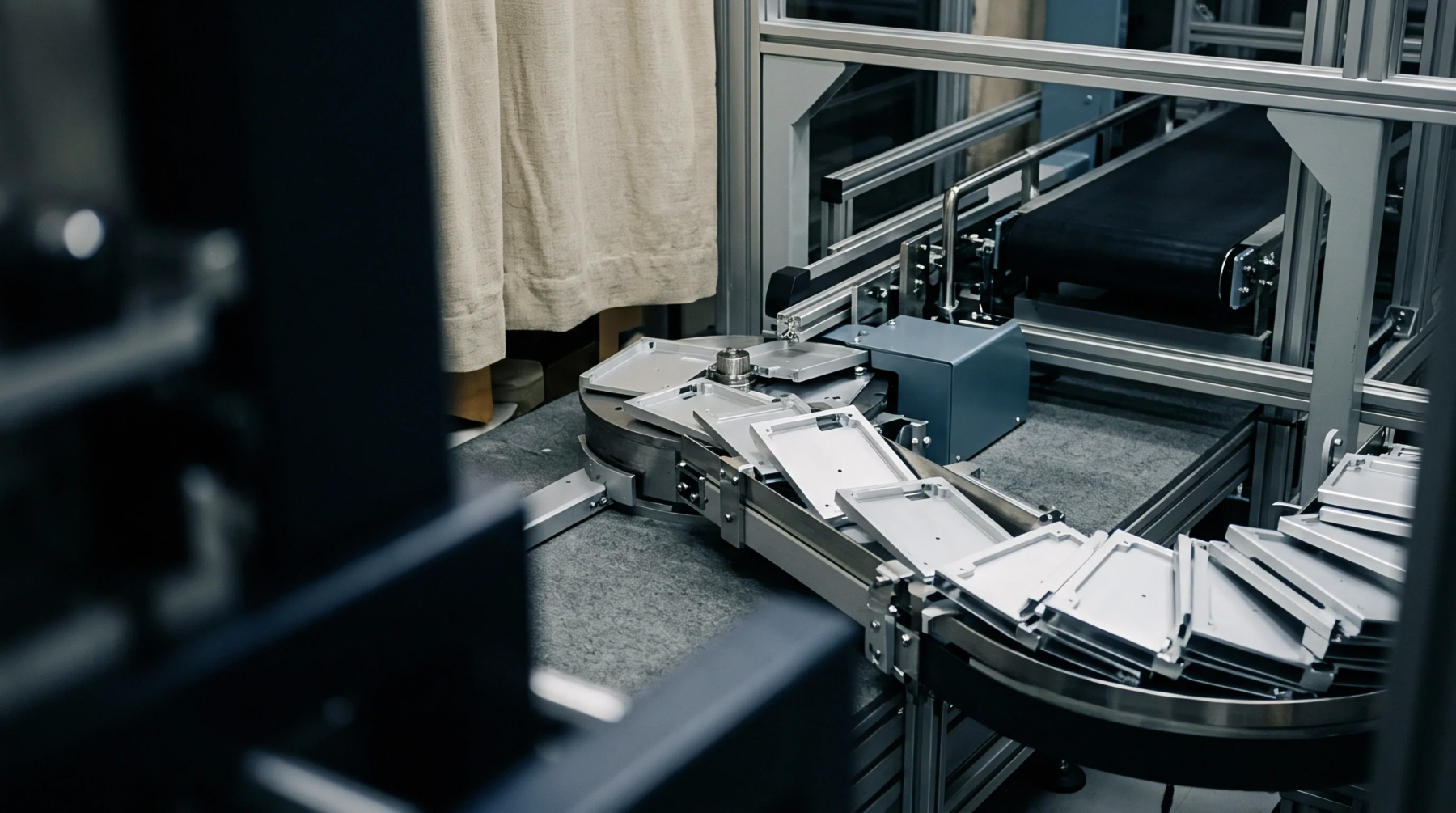
High capital and energy costs are required to operate the evaporative systems in a continuous manufacturing cycle. Implementing zero liquid discharge demands a careful integration with the mill’s steam and energy recovery networks to maintain cost efficiency. Waste heat from the boiler house can be diverted to power the multi-effect evaporators, which significantly reduces the operational energy demand.
This system allows modern linen mills to operate sustainably in regions with strict environmental regulations and limited water supplies.