Loom Performance
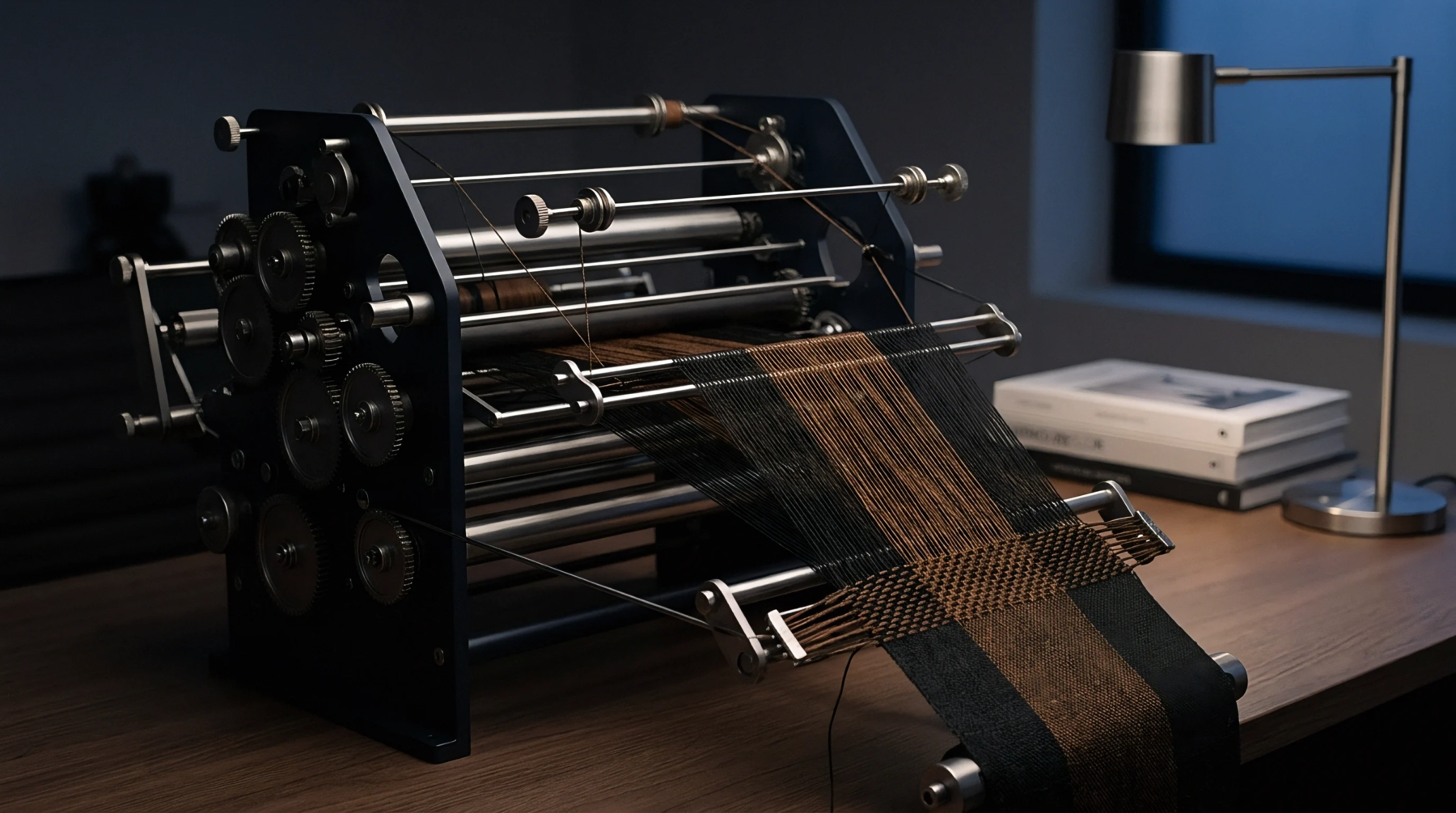
Weaving productivity is directly related to the speed and reliability of the thread-laying mechanism. The percentage of successful insertions over a given operating period is referred to as weft insertion efficiency, representing a primary metric for loom performance in linen weaving mills. The variable determines the actual output of the loom compared to its theoretical maximum speed.
It is influenced by yarn quality and machine settings.
Mechanical Constraint
Linen yarn has low elasticity and a highly uneven surface, which increases the likelihood of yarn breaks during the high-speed weft insertion process. When a rapier or an air-jet loom inserts the weft, any yarn slub or weak point can trigger a machine stoppage. The tension spikes created during insertion must be managed by the pre-winder brake system.
Technicians adjust the loom timing to minimize the peak tension and keep the insertion efficiency high, using paraffin wax coatings on the yarn to reduce friction through the eyelets and reeds.
Mill Profitability
High insertion efficiency reduces the labor costs associated with manual thread repair and increases the daily output of finished linen fabrics. If the efficiency drops below eighty-five percent, the increased frequency of machine stoppages causes defects in the woven cloth and lowers the grade of the final product. Mills track this parameter across different batches of yarn to evaluate the weaving performance of their suppliers.