Inventory Partitioning
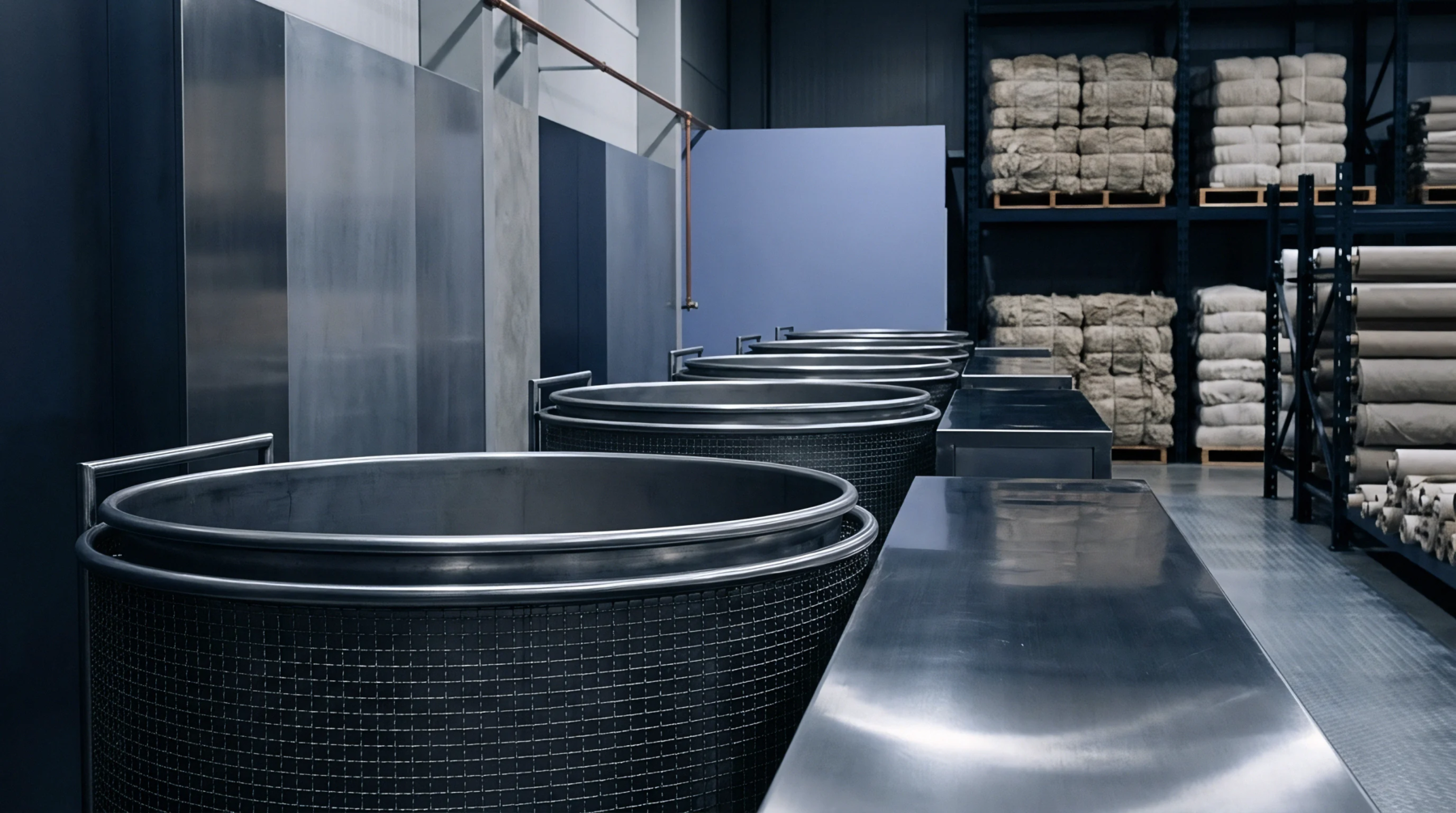
Storage guidelines dictate the physical separation of flax fibre lots to prevent contamination between varying moisture content levels or microbiological grades. A warehouse segregation protocol manages this placement by assigning distinct zones based on the laboratory testing results recorded in the incoming shipment quality certificate. Each zone maintains specific humidity and airflow parameters to preserve the structural integrity of the natural cellulose fibres until they move to the spinning stage.
Quality Separation
Raw flax bales arriving from multiple harvesting regions possess varying botanical impurities that risk compromising uniform yarn output if stored in proximity. The warehouse segregation protocol prevents cross-contamination of coarse fibre grades with finer textiles by establishing mandatory buffer lanes between different lots. Warehouse staff verify the location of each shipment against the master production schedule to ensure that the fibre remains isolated from organic decay agents or moisture sources that alter physical characteristics like tensile strength or colour.
Operational Compliance
Verification of the physical layout requires daily cross-referencing between the storage floor plan and the digital logistics manifest. Auditors check that high-grade long-line flax stays within the climate-controlled chambers while lower-grade tow fibres occupy the standard dry storage area. When a facility ignores these spatial constraints, the risk of moisture migration between bales rises significantly.
Compliance with this arrangement ensures that the material entering the spinning frame remains identical to the grade established at the point of origin.