Polymer Dissolution
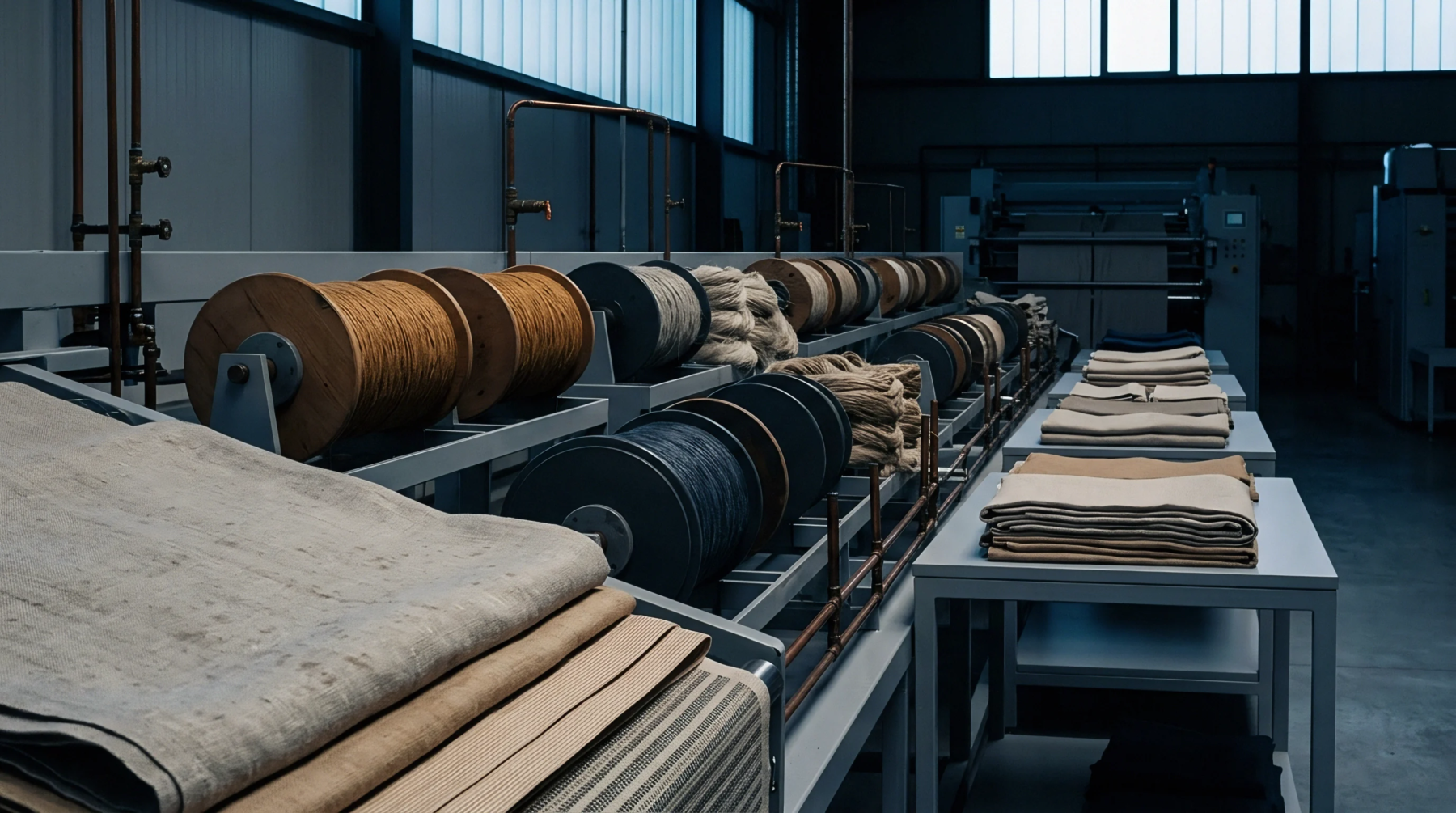
High-temperature treatment of organic matter uses heat to dissolve solid binders into a liquid carrier. In the wet spinning of linen, thermal solubilization describes the softening and dissolving of the pectin lamellae that hold the flax fibres together. This process occurs in the hot water basin of the spinning frame, typically at temperatures between sixty and eighty degrees Celsius.
The heat allows the fibres to slide and draw out into a fine yarn.
Fibre Extraction
The physical properties of the spun yarn are heavily influenced by the temperature of the spinning basin. Insufficient thermal solubilization prevents the fibres from separating smoothly, which leads to thick and thin places in the final thread. This irregularity lowers the grade of the finished linen fabric.
Process Standard
Spinning mill specifications define the exact temperature ranges for each yarn count. If the thermal solubilization is carried out at too high a temperature, the roving loses all cohesion and suffers frequent breaks on the spinning frame. The spinning room supervisor checks the water temperature sensors hourly to verify they are functioning correctly.
These measurements are logged in the shift report to maintain the required tensile strength of the linen yarn. Any temperature deviation outside the specified tolerance triggers an automated alarm on the control panel.