Frictional Extraction
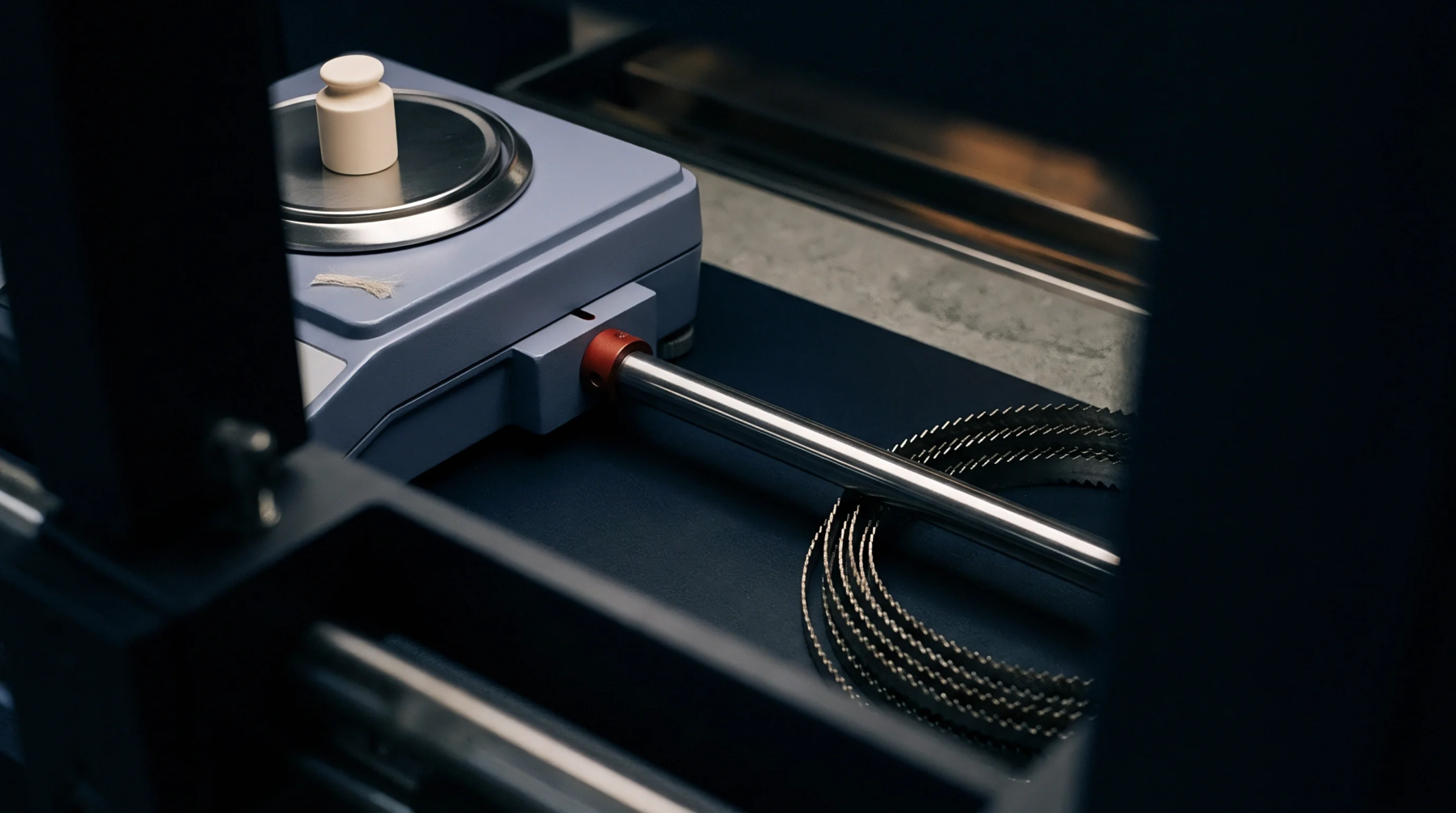
Mechanical resistance measured during the mechanical withdrawal of an individual elementary filament from a consolidated flax matrix provides the fundamental metric for single-fiber pull-out. Zhejiang processing houses rely on this specific detachment value to quantify interfacial shear strength between bast fibers and high-density pectin binding agents before wet spinning operations begin. Tensile test equipment records the peak force required to overcome interfacial adhesion during this controlled extraction phase.
Export protocols for premium linen yarns depend strictly on maintaining consistent extraction parameters across every production lot.
Adhesion Mechanics
Interfacial bond failure initiates when applied axial tension exceeds the combined sum of frictional resistance and chemical bonding forces holding the elementary cell within the composite structure. Degumming duration directly influences this adhesive property by removing natural waxes and residual hemicellulose from the surrounding middle lamella. Insufficient chemical scouring leaves excess binding compounds intact, which artificially elevates the recorded withdrawal force and causes subsequent filament breakage during industrial drafting.
Excessive chemical treatment degrades the outer cellulose surface, reducing interfacial friction and lowering tensile integrity below merchantable thresholds.
Quality Verification
Buyer acceptance criteria establish strict lower boundaries for extraction resistance to ensure finished woven fabrics withstand high-speed mechanical loom operations without shedding warp filaments. Mill laboratories perform these destructive evaluations on conditioned samples drawn directly from combed sliver before roving frames convert the material into yarn packages. Acceptance thresholds separate standard textile grade applications from heavy industrial technical substrates based entirely on these mechanical test results.
Standard fiber lots consistently meet domestic processing requirements while premium export contracts demand independent laboratory verification of interfacial bond performance.