Fibre State
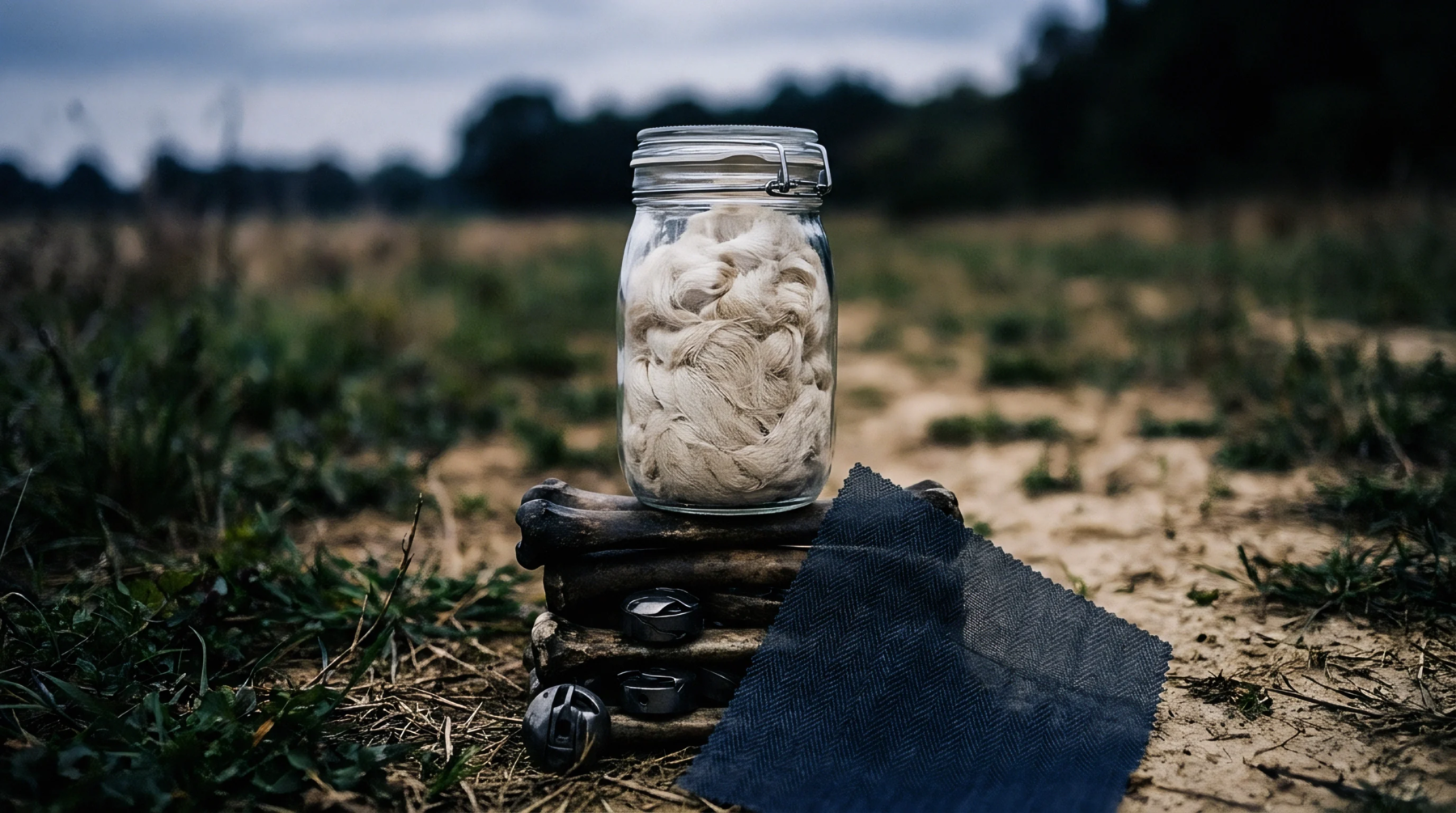
The long-line bast fibers extracted from the flax plant after retting and scutching are the primary raw materials used to spin high-quality linen yarns. This unhackled, coarse material is known as raw scutched flax, and it is usually imported by Chinese spinning mills from farms in France and Belgium. It contains some residual woody shives that must be removed during subsequent mill processing.
Spinners grade this material based on its color, strength, and hand-feel.
Processing Step
Upon arrival at the spinning mill, the imported bales are opened and sorted according to their regional origin and crop year. The raw scutched flax undergoes hackling, a mechanical combing process that aligns the fibers and separates the long line fibers from the short tow fibers. During this process, up to forty percent of the mass may be combed out as tow, which is later used for coarser yarns.
The long line fibers form a continuous sliver that is ideal for wet-spinning into fine, high-strength linen yarn. If the flax has been poorly retted, the combing process will break many fibers, reducing the yield of premium sliver. This combing yield is a crucial metric for evaluating the quality of each imported shipment.
Mill Valuation
The price of each bale is directly linked to its combed yield and fiber fineness. Raw scutched flax that yields a high percentage of fine, strong fibers commands a premium on the global market. Spinning mills run pilot trials on incoming batches to adjust their purchase prices.
Proper storage in temperature-controlled warehouses preserves the natural moisture of the fibers before combing.