Roller Setting
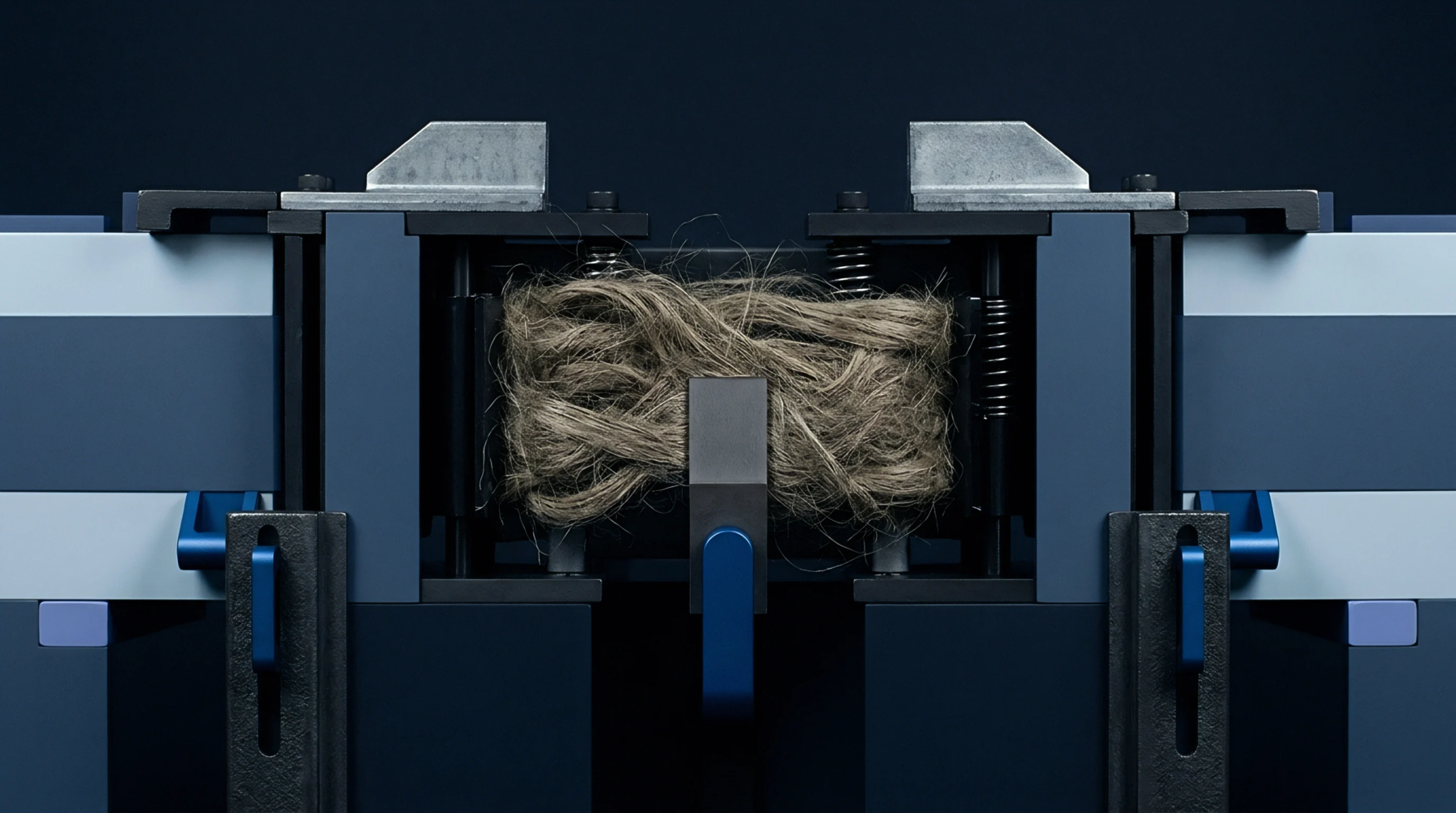
Physical distance between the nip of the feed rollers and the nip of the drawing rollers on a spinning frame dictates the control of fiber movement. The ratch geometry must be precisely adjusted to match the average length of the flax fibers being processed. If this setting is too short, the rollers will break the long fibers, while a setting that is too long results in uncontrolled drafting and uneven yarn.
Drafting Mechanism
Mechanical levers or screws allow the operator to move the roller assemblies to the required position. In linen spinning, the ratch geometry is typically longer than in cotton spinning due to the greater length of the bast fiber bundles. The angle of the drafting zone also influences the tension and the effectiveness of the water immersion in the trough.
Maintaining a consistent gap across all spindles on the frame is necessary for producing a standardized product.
Yarn Uniformity
Inconsistencies in the distance lead to the formation of thick and thin places in the yarn. Correct ratch geometry ensures that the fibers slide past each other smoothly as they are drawn out to the required count. This precision directly impacts the strength and the visual appearance of the final linen cloth.