Saturated Hydrocarbon
Mineral-derived alkanes form the chemical class of paraffin wax. This waxy substance consists of long-chain hydrocarbons with the general formula CnH2n+2. It solidifies at room temperature and originates from the refining of petroleum base oils.
Mechanical properties include a distinct crystal structure that changes based on the cooling rate of the liquid. High purity grades require the removal of oil and moisture through solvent extraction to ensure consistent physical stability.
Processing Application
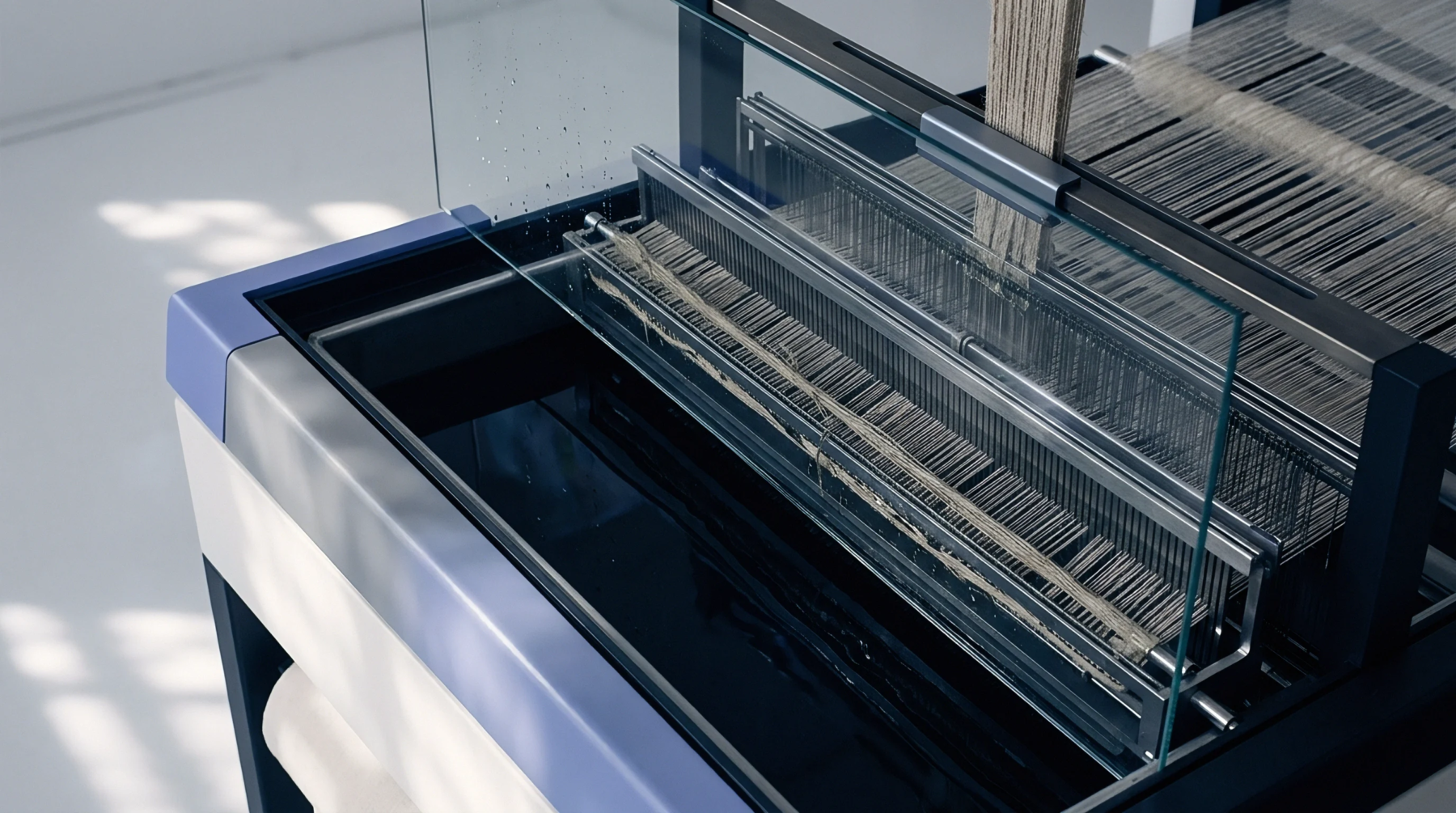
Linen finishing operations apply this solid to yarns and fabric surfaces to modify friction during industrial manufacturing. Practitioners use it as a lubricant on the warp threads to prevent breakage during high-speed shedding cycles in the loom. The coating adheres to individual fibres and reduces the abrasiveness of metallic machine parts against the cloth.
Proper concentrations ensure that the material remains invisible to the eye while lowering the coefficient of friction enough to protect the structure of the woven flax. Residual levels on the finished textile undergo scrutiny during quality control to confirm they do not interfere with subsequent chemical dyeing or bleaching treatments. Chemical compatibility remains a factor because the substance resists water and alters how dyestuffs penetrate the internal voids of the natural cellulose.
Acceptance Standard
Analytical procedures measure the oil content and melting point to determine if the batch satisfies the internal requirements of the weaving facility. Buyers establish limits on impurity levels to prevent yellowing or spotting on the final white linen rolls after storage. Laboratories test samples using solvent evaporation or differential scanning calorimetry to document these thermal properties within the shipping records.
Producers must verify that the melting point fits the expected temperature range of the drying equipment to ensure the coating sets correctly on the loom. Any deviation from these specified thermal limits causes uneven absorption of finishing agents across the length of the linen bolt.