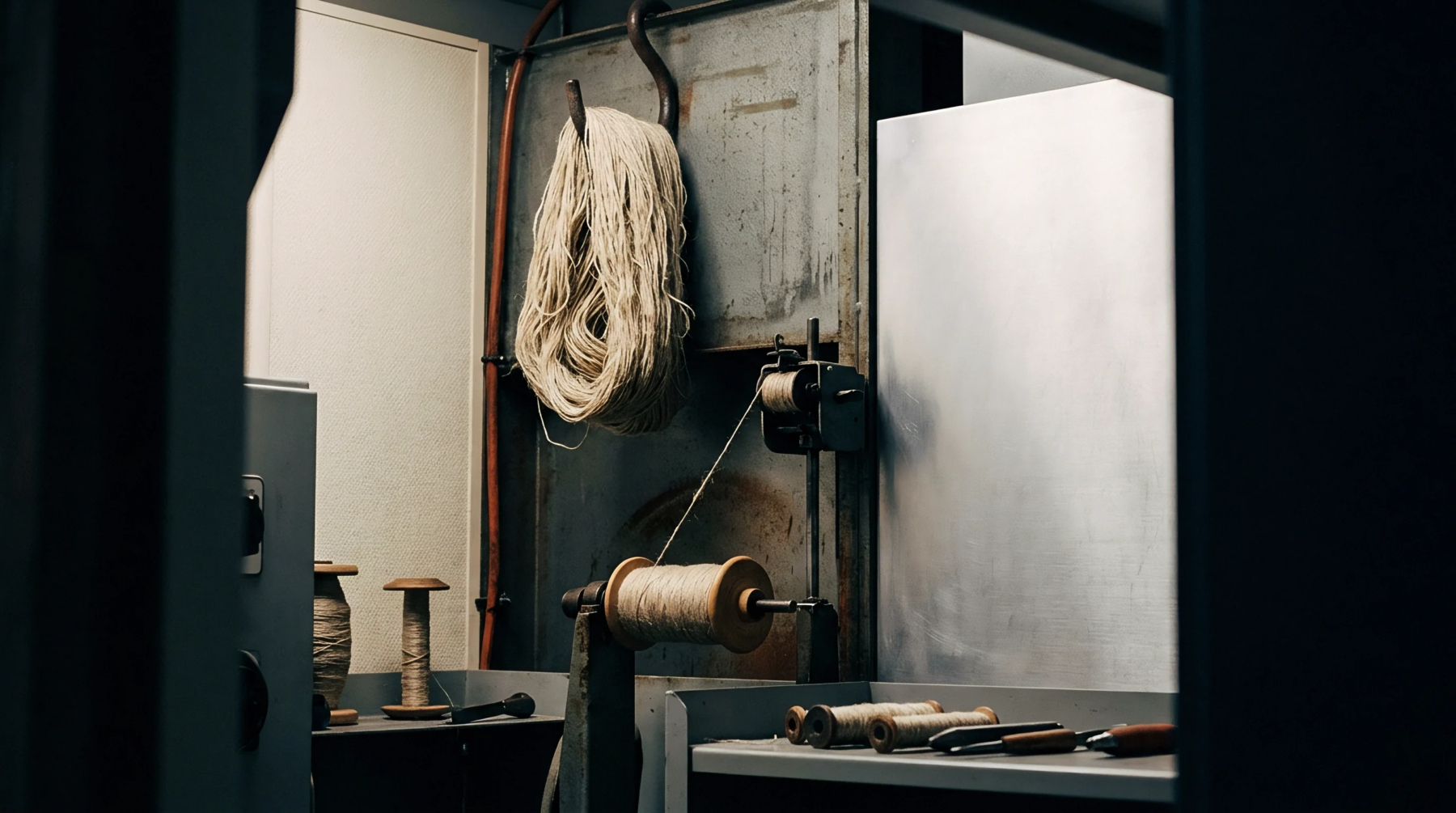
Production Audit
The deviation detected during the inspection of flax yarn winding establishes non-conformity as a verified breach of tensile strength parameters recorded in the spinning mill logbook. Manual tension controllers slip when ambient humidity drops below forty percent, which pulls the fine staple fibers past breaking point and triggers an automatic machinery halt. Auditors compare the actual kilogram load measured against the buyer specification sheet held in the quality control office, where any variance exceeding five percent is marked red.
Spinning supervisors sign the corrective action report before any shift resumes production, while loom operators clear the broken ends from the bobbins.
Export Standard
Linen merchants evaluate finished cloth density on the grading table under standardized daylight lamps before the bolts leave the Zhejiang warehouse for overseas shipping. Greige fabric lots showing irregular warp counts fail the export criteria established by the provincial textile bureau, resulting in immediate rejection of the entire pallet. Independent inspectors verify thread counts per square centimeter using a graduated magnifying glass, and they record every detected flaw on the official certificate of origin.
Foreign buyers reject consignments containing more than three structural defects per hundred meters of woven goods, leaving the mill liable for rework costs.
Contractual Remedy
Financial penalties apply when the finished linen density falls short of the thresholds set by the purchasing agreement signed prior to the harvest season. Mill directors absorb the commercial loss resulting from downgraded shipments because the trade contract demands prime grade material for all European fashion brands. Buyers withhold payment until the third-party testing agency issues a clean bill of health confirming zero structural defects in the flax fiber bundles.
Production managers adjust the water temperature in the retting tanks to prevent similar quality failures from occurring during the subsequent manufacturing cycle.