Tensile Response
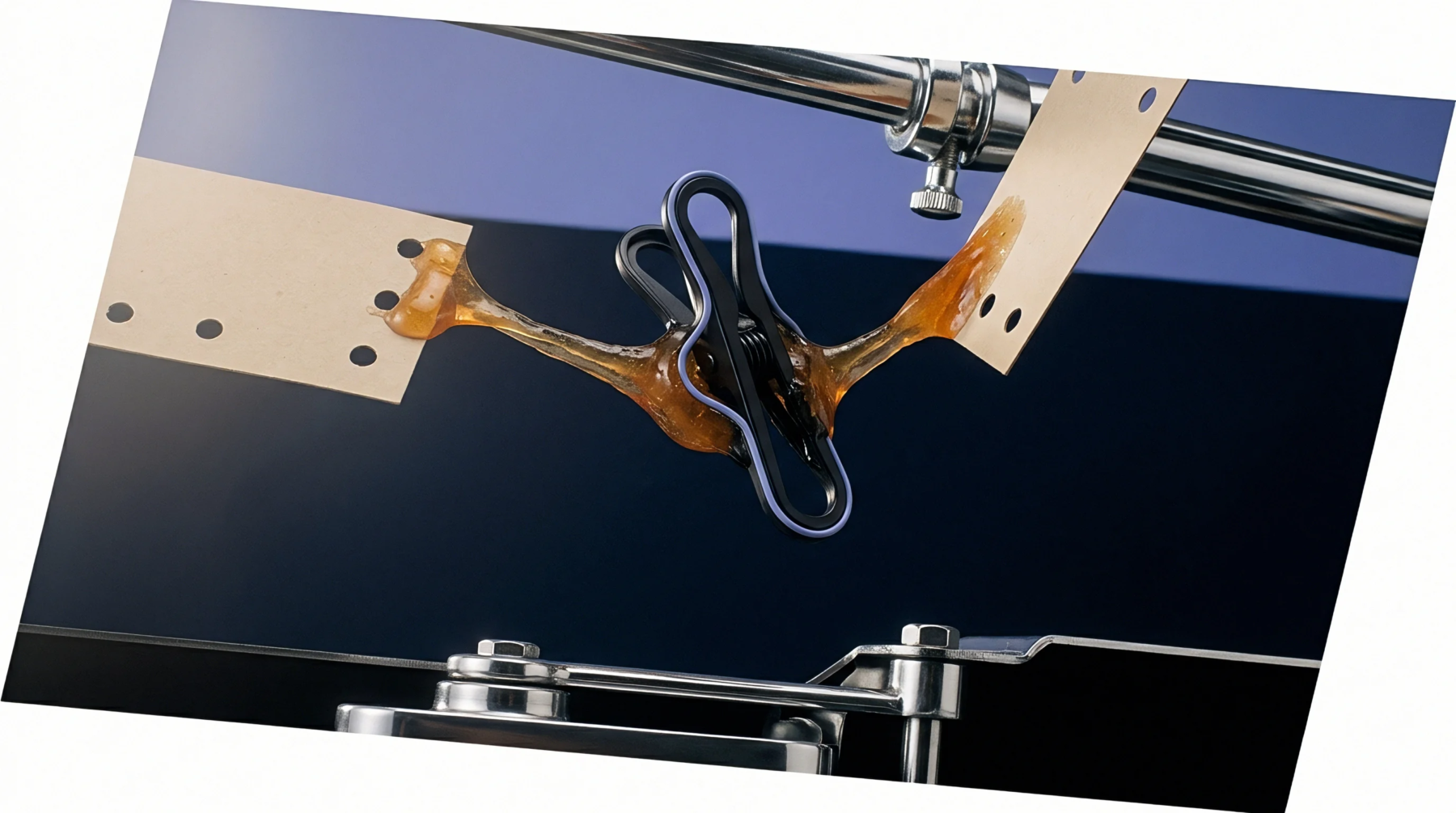
Combined elastic recovery of multiple parallel yarns determines how a sheet of threads absorbs mechanical stress during high speed weaving. Quality control technicians evaluate multi-thread elasticity on specialized tensile testing frames equipped with multi-yarn clamps. The resulting strain data reflects the collective elongation and recovery properties of warp sheets prior to loom mounting.
Mill testing logs document these load deformation values across warp beam samples.
Warp Performance
High speed shedding mechanisms subject adjacent warp threads to cyclic tension spikes during fabric formation. Inadequate multi-thread elasticity causes frequent end breaks across the loom width, decreasing weaving efficiency and creating fabric defects. Sizing treatments modify yarn flexibility, increasing thread recovery capacity under rapid tension variations.
Laboratory operators plot load elongation curves to verify that sizing formulations deliver consistent yarn stretch parameters.
Load Capacity
Uneven tension distribution across thread sheets leads to premature yarn failure during weaving operations. When multi-thread elasticity testing shows high variance between individual threads, beam operators adjust creel tensioners and sizing roller pressure to equalize yarn stretch across the warp sheet. The metric evaluates parallel yarn arrays for weaving preparation and does not measure single yarn tenacity or finished fabric stretch.
Quality assurance reports include these collective elastic recovery figures on warp beam release certificates.