Capacity Allocation
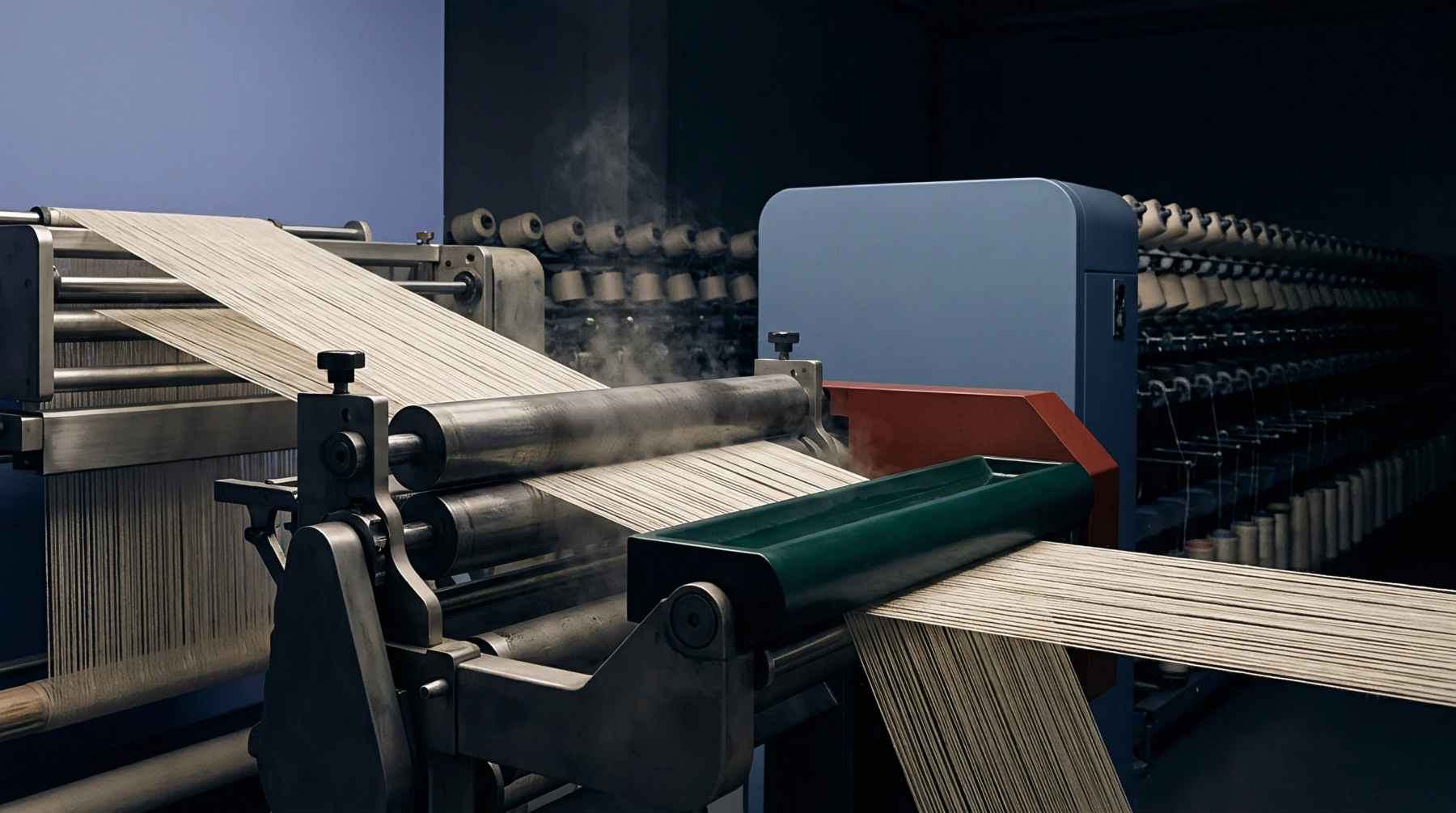
Production scheduling in textile mills requires advanced planning to align machine availability with raw material supply chains. A loom slot reservation represents a formal agreement where a mill guarantees a specific number of high-capacity looms for a buyer’s order during a designated time window. This system is crucial in the linen industry because spinning flax yarn and processing it into fine linen cloth requires precise coordination.
When a brand secures its loom slots in advance, the mill can organize its yarn purchases and workforce schedules to prevent bottlenecks.
Scheduling Security
Establishing dedicated production time protects buyers from seasonal capacity shortages and price spikes. During peak production seasons, mills face high demand from multiple clothing brands, which can lead to long delays if capacity is not booked in advance. The slot reservation specifies the start date, the number of looms allocated, and the projected completion date of the production run.
This schedule allows the buyer to plan their subsequent finishing, dyeing, and distribution phases with high confidence, ensuring that the finished garments reach retail stores on time.
Financial Commitment
Securing a reservation typically involves an upfront payment or a bank guarantee to protect the mill against sudden cancellations. If the buyer fails to deliver the required yarn or cancels the order close to the reserved date, the mill suffers financially from empty looms and idle operators. The reservation agreement therefore outlines the penalties and cancellation terms that apply if either party fails to meet their obligations.
This financial security allows the mill to commit its resources to the buyer without risking the losses associated with sudden shifts in market demand. In the competitive linen export market, mills use these deposits to purchase the necessary raw flax, ensuring they can start production immediately when the reserved slot opens. For the buyer, the fee represents a small price to pay for guaranteed production capacity in a market where loom availability fluctuates wildly based on global demand.