Measurement Protocol
Tensile testing methods provide the required framework for evaluating the mechanical properties of textile fibres. The iso 6741-3 standard establishes precise procedures for the determination of the length of fibres when they are not in a state of tension. Laboratory technicians apply this methodology to assess the average fibre length and the distribution of lengths within a raw sample taken from flax bales.
Uniformity in these physical characteristics determines the mechanical settings for subsequent drafting and spinning operations.
Procedure Specification
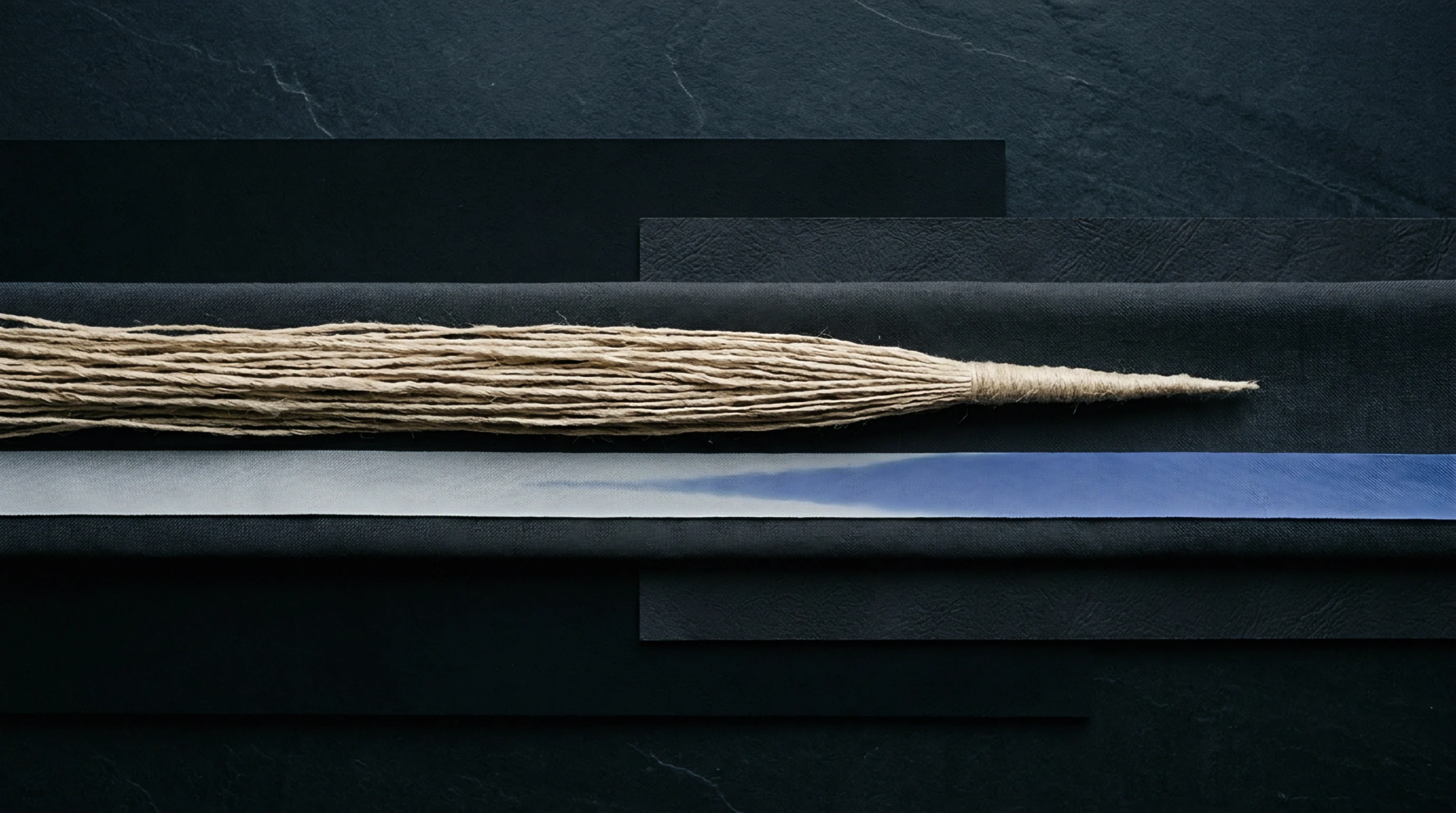
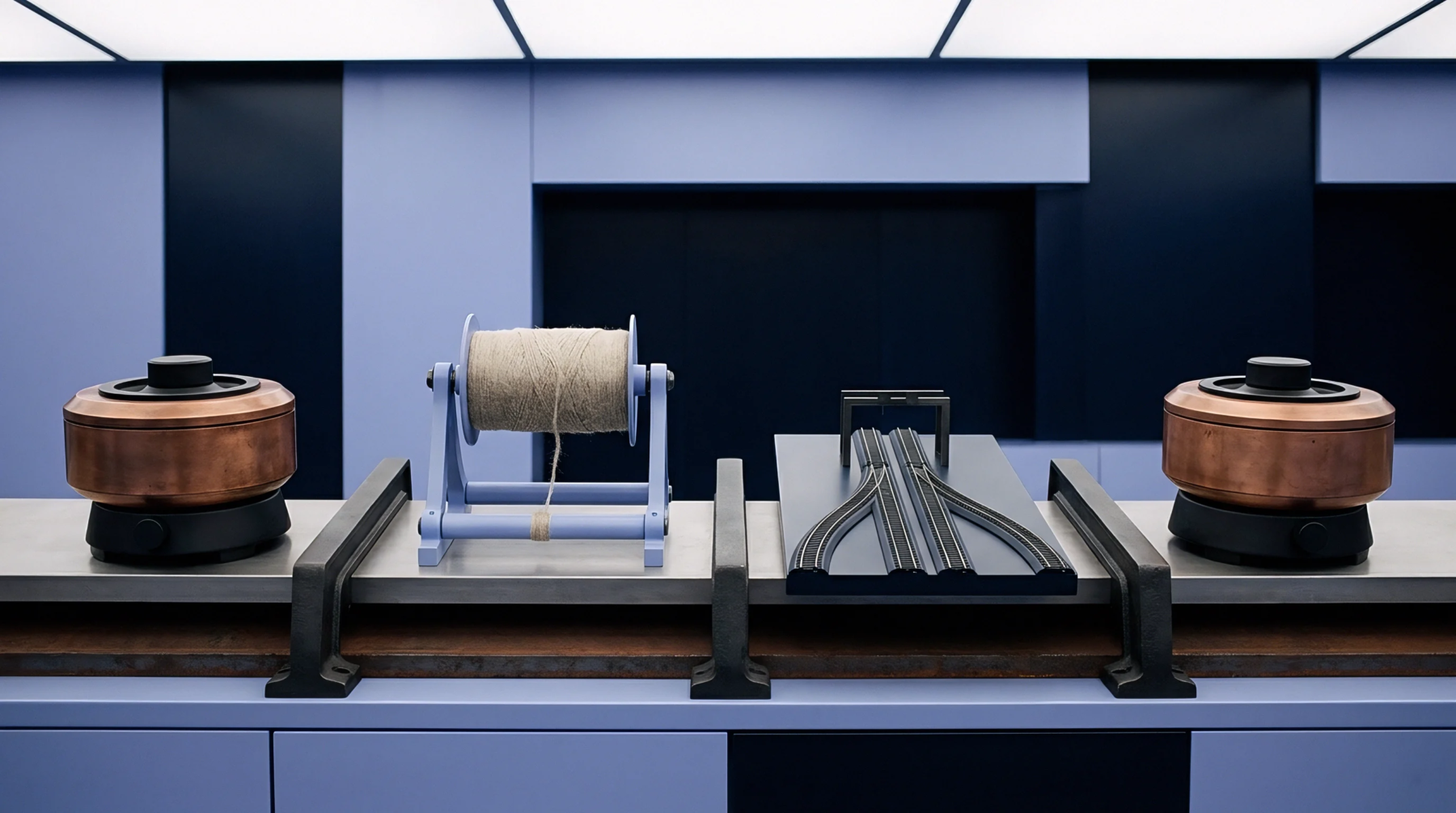
Extraction of the specimen happens according to the sampling plan to ensure that the material represents the bulk quantity accurately. Operators prepare a straightened fibre tuft by removing crimp or loose curvature without applying enough force to cause elongation. This preparation stage necessitates the use of a specialized measuring board or an automated instrument calibrated for precision.
Researchers verify that every single fibre segment lies flat to avoid errors during the measurement phase. Once the tuft maintains alignment, the operator records the distances at specified intervals to build a length distribution profile.
Acceptance Criteria
Evaluation against this technical requirement creates a basis for commercial settlements regarding fibre quality between Chinese processing mills and international suppliers. Deviations from the expected length profile trigger adjustments in the carding sequence to prevent excessive breakage or loss of mass. Stable physical properties ensure that the conversion of flax straw into finished yarn follows predictable output yields.
Documentation of these findings provides the objective evidence needed to validate the classification of the fibre grade.