Wire Assembly Charge
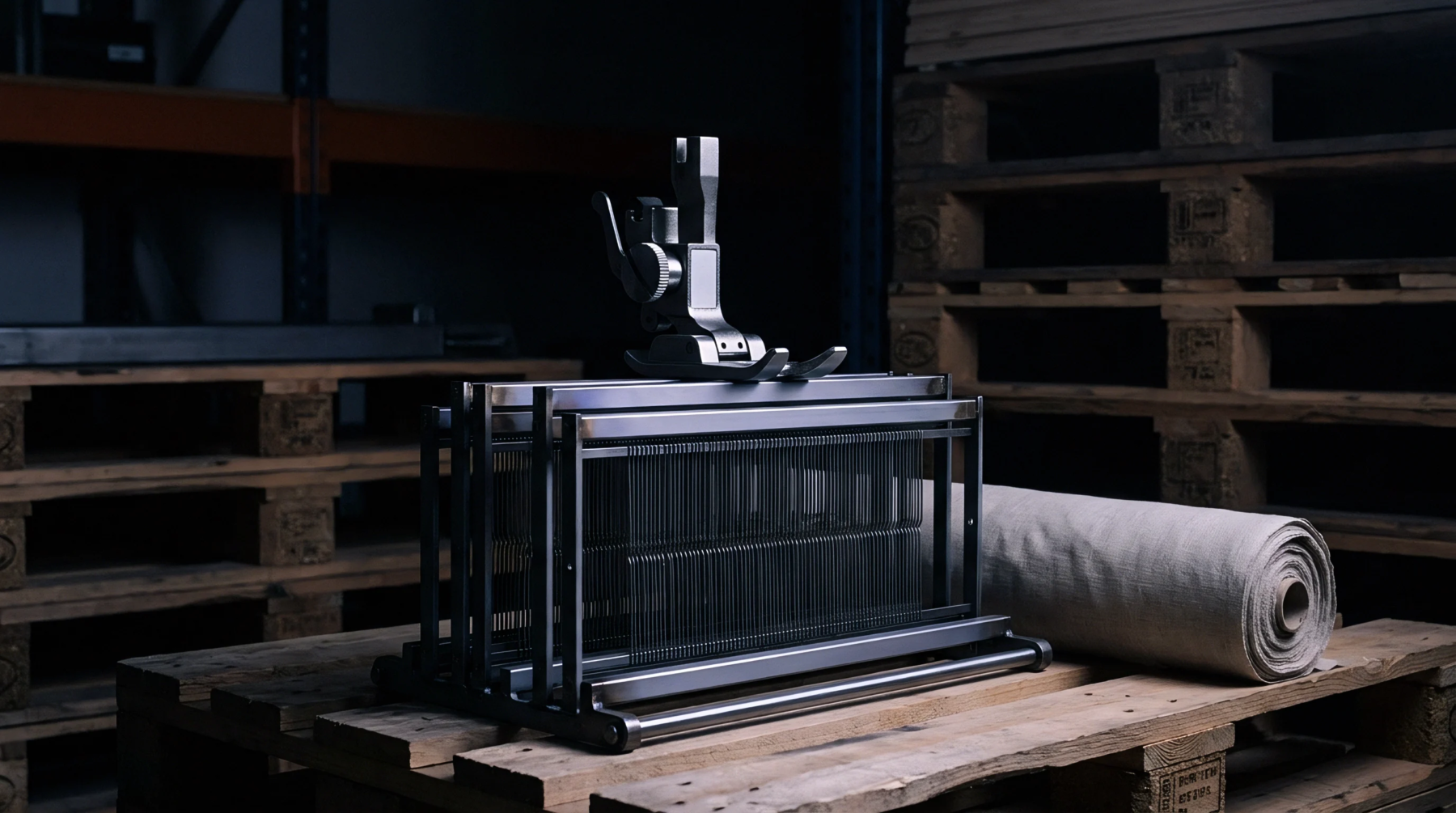
Capital expenditure recovery happens when a loom manufacturer demands reimbursement for custom heddle frame configurations before production runs begin on heavy flax canvas orders. A harness setup fee covers the precise mechanical calibration required to mount complex multi shaft shedding mechanisms onto industrial weaving machinery. Mill operators calculate this once off disbursement by multiplying total drawing in hours against specialized machinist labor rates recorded in the preliminary quotation sheet.
Buyers frequently dispute these charges during contract negotiations because standard multi shaft looms usually require minimal preparation time between identical production batches.
Frame Calibration Cost
Mechanical adjustment expenses arise whenever a workshop modifies shedding geometries to accommodate dense linen yarn densities exceeding standard industrial tolerances. The harness setup fee addresses precision alignment procedures executed on jacquard mechanisms before raw flax threads enter the reed. Technicians measure vertical lift clearances using dial indicators mounted directly onto the structural arch of the loom.
Mills absorb minor alignment variations internally, but structural conversions demanding custom linkage fabrication trigger separate billing items detailed in the final invoice.
Machine Preparation Tariff
Commercial weaving contracts establish fixed cost recovery parameters for tooling modifications associated with specialized natural fiber processing. A harness setup fee functions as the primary mechanism for transferring initial tooling overhead from the processor to the purchaser prior to weaving trials. Procurement officers evaluate these line items against historical machining logs to determine whether requested shedding densities justify the levied surcharge.
Final settlement of this disbursement depends entirely upon successful completion of the pre production warp test and subsequent approval of the master fabric sample.