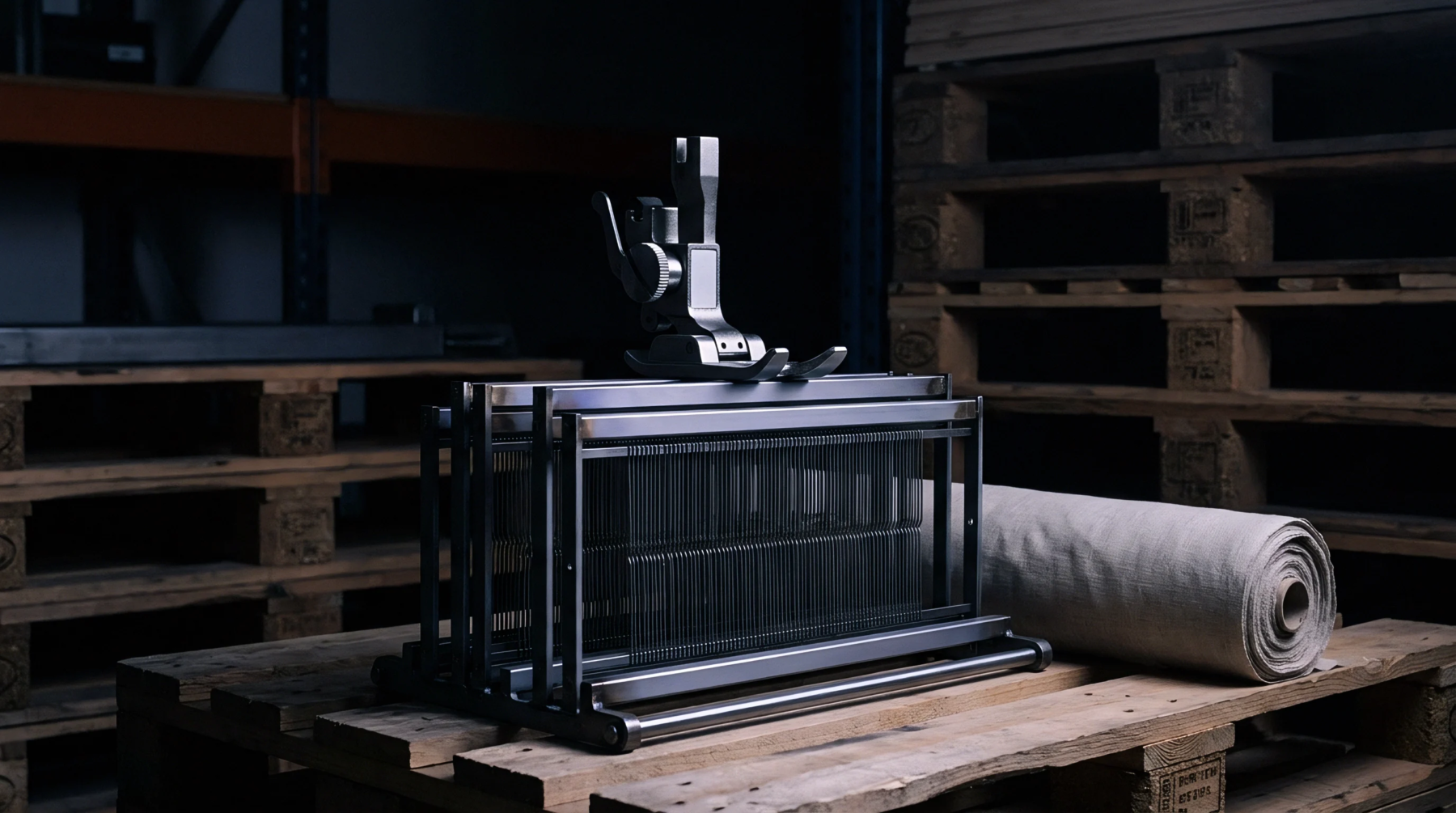
Geometric Setting
Linen loom operation depends on the precise spatial orientation of the shedding mechanism relative to the warp yarns. The harness angle dictates the maximum vertical displacement of the shafts during a cycle, which alters the physical tension applied to individual fibres before the shuttle passes. A steep pitch increases the distance between warp sheets to allow for debris clearance, whereas a shallower orientation reduces the likelihood of snap-backs or yarn fatigue in dry conditions.
Excessive steepness leads to uneven stress across the shed, often resulting in small gaps in the woven pattern.
Mechanical Constraint
Operators monitor this orientation during the setup of the dobby or jacquard system to ensure consistency across the entire loom width. If the configuration exceeds the mechanical limits of the textile fibre, the increased friction between the lease rods and the warp causes breakage. Calibration of the frame pivot points requires periodic adjustment as the tension requirements vary according to the density of the yarn being fed from the creel.
Skilled technicians check the synchronization between the primary shaft motion and the shuttle speed to maintain integrity throughout the production run.
Production Variance
Documentation of these settings happens within the machine master log during the initial warp entry phase for each new pattern. Discrepancies between the intended technical specification and the actual measured tilt appear as variation in the picks per centimetre across the cloth surface. The buyer acceptance criteria define the allowable deviation in shed height, though the mill must maintain tighter tolerances than the consumer demands to avoid high scrap rates.
A rigid control of the angular lift ensures structural uniformity in the finished linen product.