Linear density
Grams per ten thousand meters express the mass of a continuous filament or spun yarn. Dtex measurement identifies the relationship between length and weight to determine the thickness of a linen strand. Industry professionals utilize this figure during the spinning phase to verify that yarn output matches the specification required for later weaving.
Variations in raw flax quality or spinning machine settings force adjustments to maintain a constant value across production runs. Consistent results allow manufacturers to predict how much material a specific reel will cover during the construction of finished cloth.
Fibre consistency
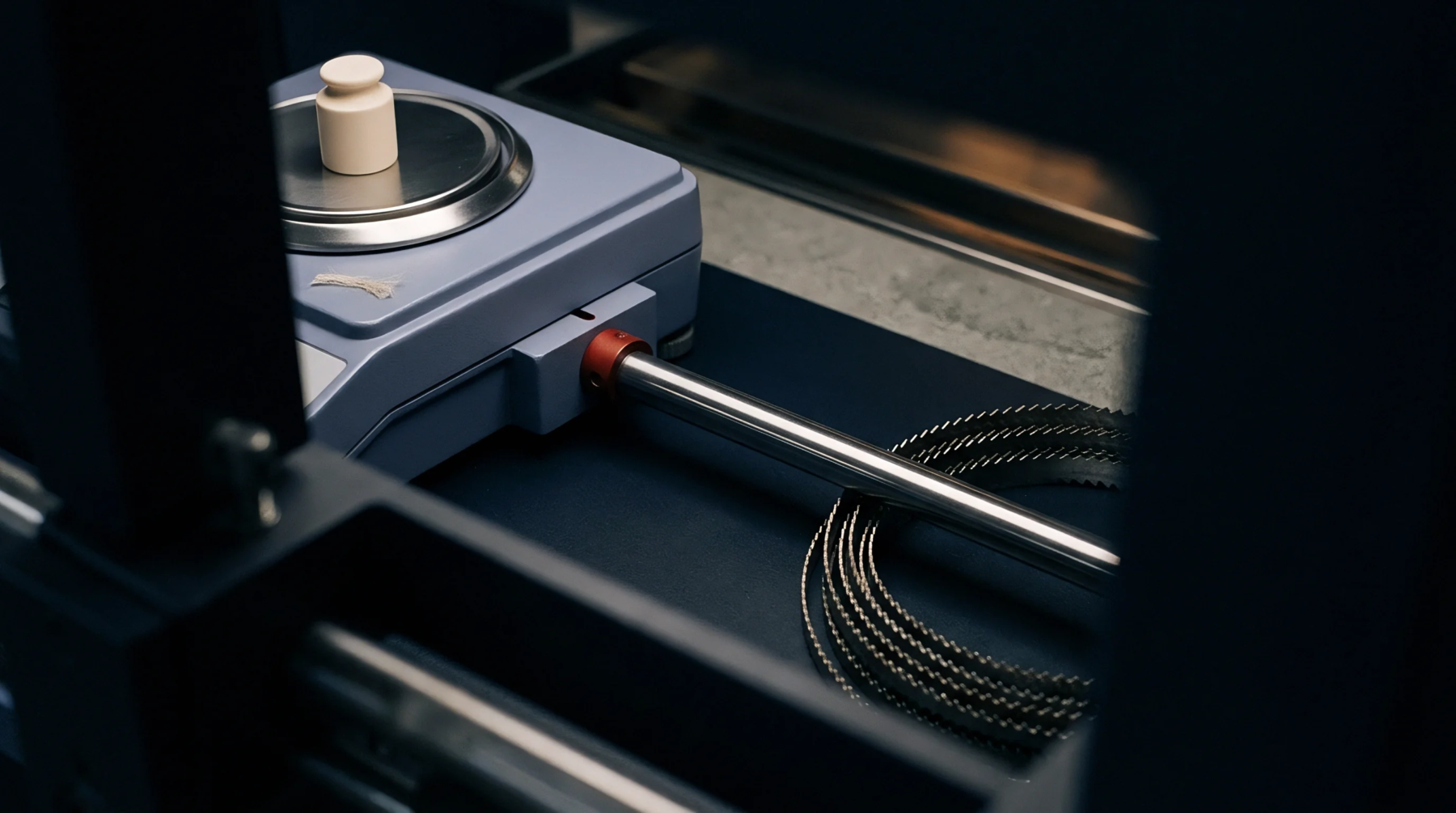
Production facilities verify mass per length through specialized weighing devices that sample sections of yarn after the drawing stage. Quality controllers record the dtex measurement on technical production sheets to track deviations that could affect fabric hand or durability. A stable count throughout the bobbin ensures that warp and weft tension remains uniform during the operation of power looms.
Technicians calibrate testing equipment against certified reference weights to negate atmospheric humidity influences on the moisture content of the fibre. Precise tracking prevents uneven surface textures in the final textile export batches.
Acceptance criteria
Buyers define allowable variance ranges for yarn thickness within purchase agreements to prevent shipment rejection at the finishing mill. Limits on dtex measurement protect the integrity of the procurement process by establishing a objective threshold for acceptable raw material variability. Mills compare incoming spun lots against these contractual boundaries to decide if a spool qualifies for insertion into the production line.
Data gathered from these assessments establishes the baseline for total mass calculations in large scale inventory control. Uniformity in these values guarantees that the finished linen performs as expected according to its designated industrial grade.