Spinning Calibration
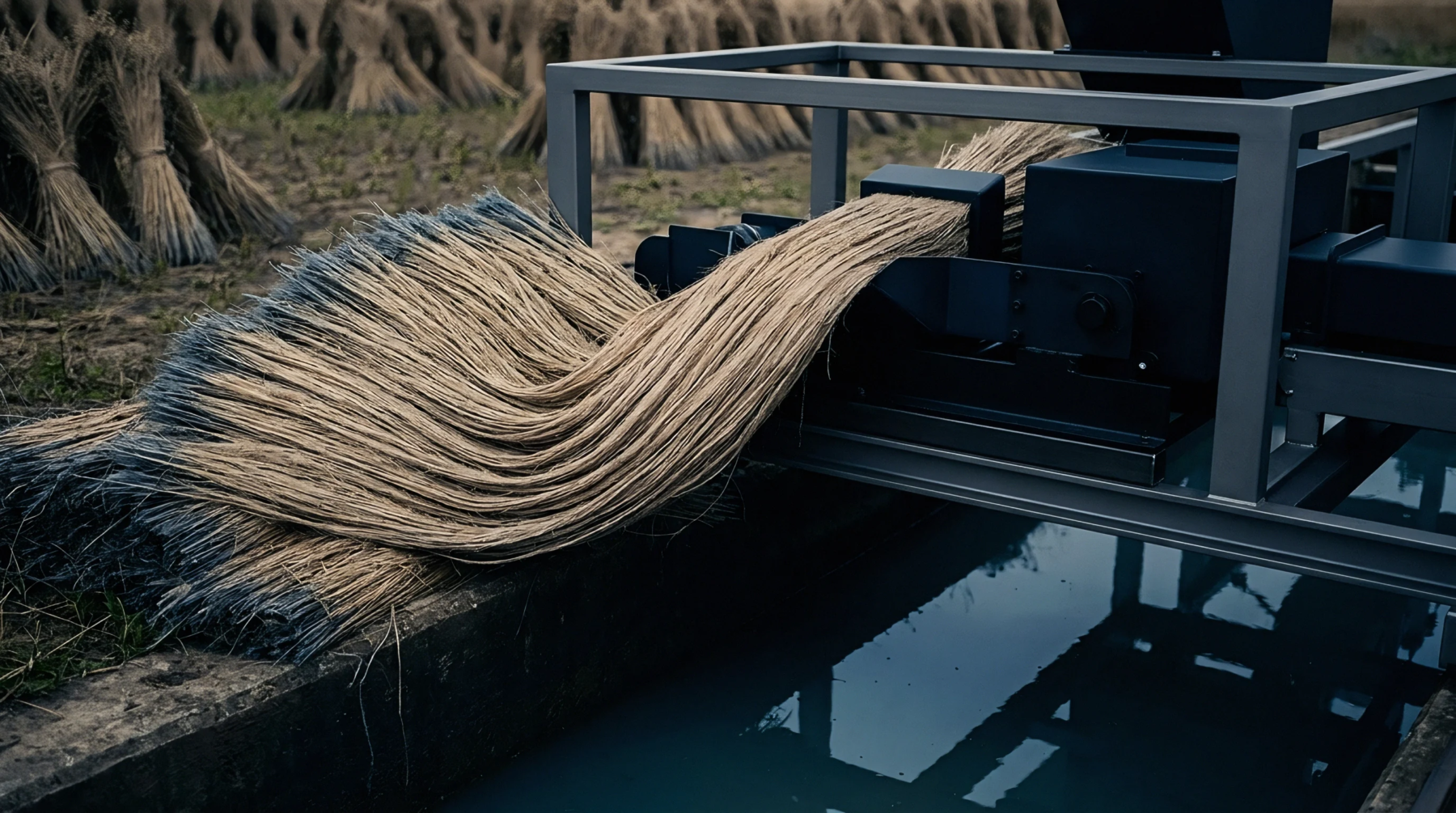
Mechanical settings govern the linear density of sliver as it passes through the drafting zone of a spinning frame. These draft ratio adjustments modify the distance between roller pairs to exert controlled tension on the flax fibres. Consistent application of these settings ensures the output yarn matches the required weight per unit length.
The process limits excessive thinning or bunching within the final roving.
Operational Variance
Changing the rotational speed of the front rollers relative to the back rollers alters the stretch applied to the fibre strand. Operators calculate the distance between nips based on the staple length of the flax to prevent fibre breakage. High ratios increase the production speed but demand tighter control over the raw material consistency.
Fluctuations in the feed density necessitate rapid modification of the gear trains or electronic drives. Constant monitoring of the output regularity against the production order ensures the mill maintains the tolerance window for the intended fabric weight.
Quality Compliance
Export documents require accurate records of these machine settings to verify the uniformity of the yarn lots. Buyers specify the range of acceptable variance before the flax moves from spinning into the weaving stage. Detailed logs track the specific configurations used during each production run to facilitate traceability from the finished linen back to the original fibre batch.
Correct settings allow for predictable elongation and strength in the final textile. Stable output provides the necessary foundation for high density weaving.