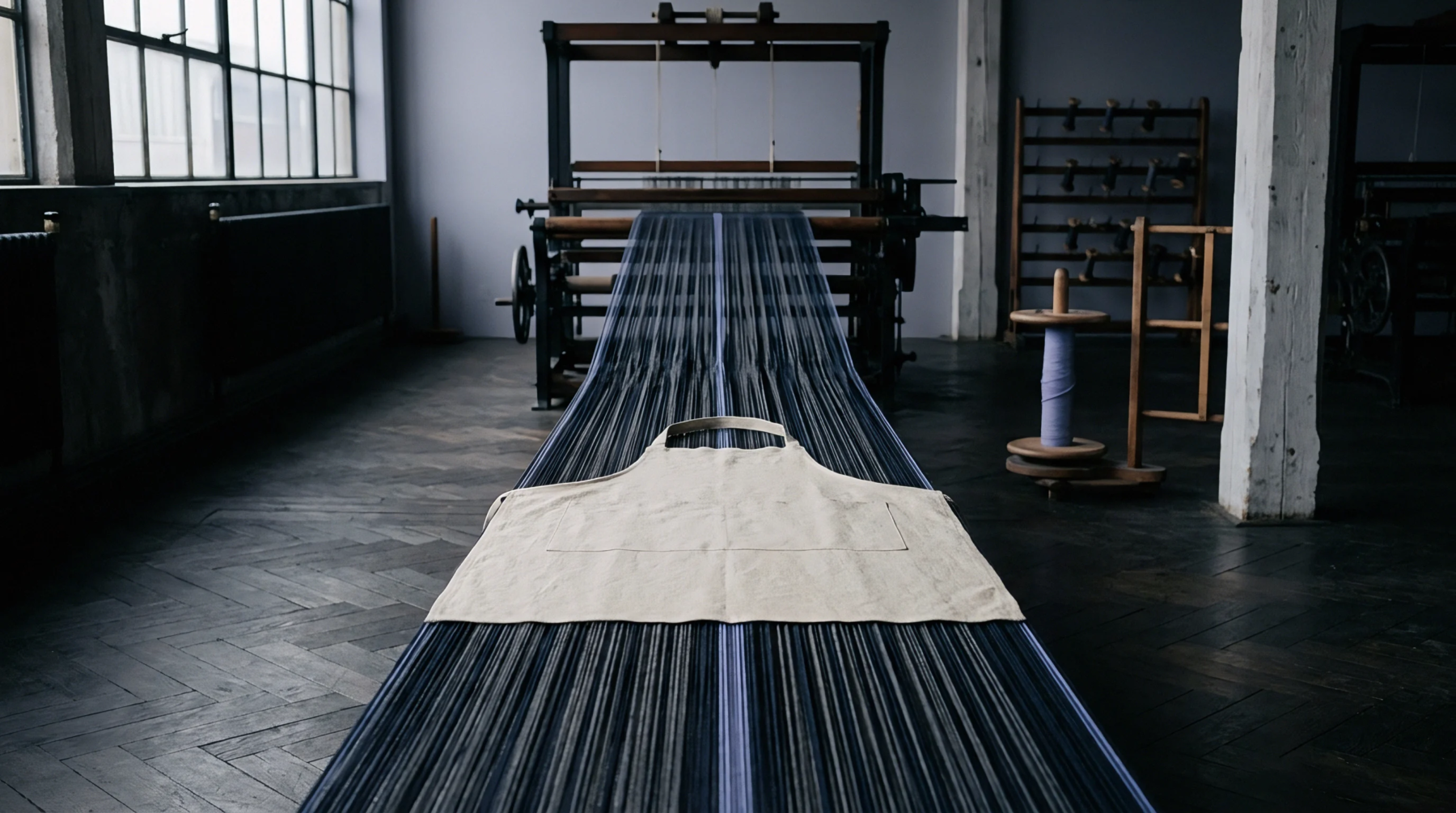
Mechanical Synchronization
Precise timing adjustments between the lifting members and the primary drive shaft govern the sequence of shed formation in industrial high speed flax looms to ensure consistent fabric structure throughout long production runs. Dobbie harness phasing manages the exact degree of offset applied to the harness frames during the rotation of the main crankshaft. Technicians record these calibration values in the machine setup manual to verify that the shed remains open for the optimal duration required by the shuttle velocity.
The adjustment mechanism dictates the moment when the warp yarns reach their maximum vertical displacement relative to the pick cycle. Improper timing results in excessive friction on the fine linen yarns or erratic crossings at the fell line. This configuration requires strict adherence to the mill original equipment manufacturer limits for the specific yarn count processed.
Operational Variance
Variations in the shed geometry arise when the tension of the harness cords changes over prolonged usage or through wear on the cams. A shift in the harness phasing forces the loom to move the warp sheets through a different arc during the beat up cycle. Operators adjust the crank angle settings to compensate for the specific physical characteristics of flax fibre which possesses low elasticity compared to synthetic alternatives.
Each mill maintains a set of internal tolerances for these settings to minimize the risk of warp breakage. Accurate synchronization between the cam position and the harness stroke allows the machine to maintain a stable shed geometry at higher speeds. Consistency in the timing prevents the formation of uneven cloth which would otherwise lead to rejections during the final quality audit before export.
Acceptance Criteria
Buyers define the threshold for acceptable fabric regularity within the formal quality contract signed by the weaving facility. Acceptance depends on the absence of pattern distortions or irregular beat up marks that stem from improper harness timing. Quality control teams measure the deviation in the cloth surface against a reference standard provided at the beginning of the production batch.
Final verification depends on the uniformity of the repeat pattern across the entire roll width. Correct harness timing acts as the primary guarantee of structural integrity within the woven textile.