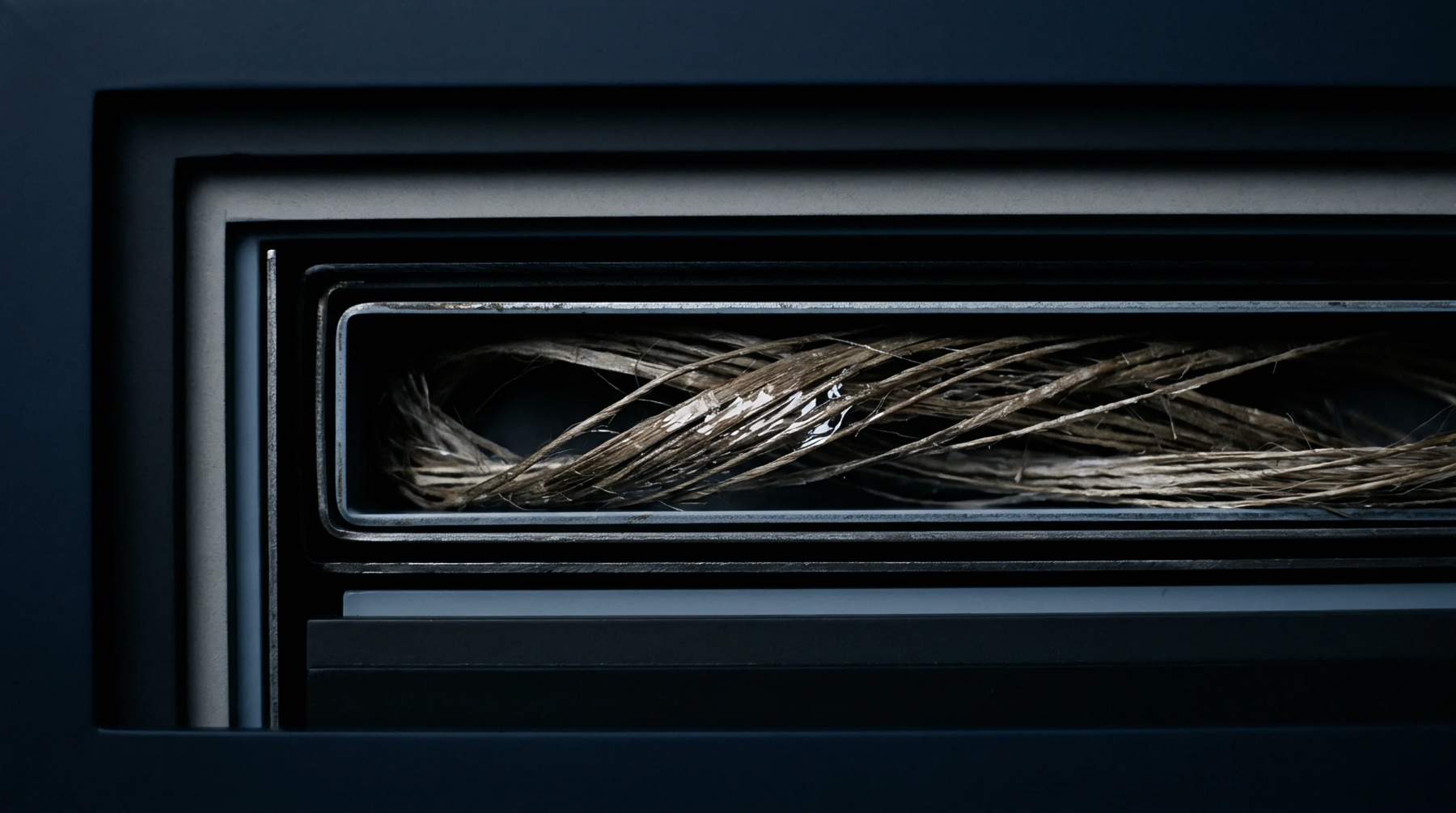
Molecular Coating
Primary plant constituents deposited on the exterior boundary of flax stems function as natural hydrophobic barriers during wet spinning operations in Chinese textile mills. Cuticular wax lipids protect underlying cellulose microfibrils from excessive moisture absorption while raw material passes through hot water baths operating above seventy degrees Celsius. Hydrocarbon chains and long chain fatty alcohols comprise the majority of these protective fractions extracted from the perimeter of Linum usitatissimum fibres.
Processing machinery relies on specific melting points of external lipids to maintain yarn tension without fiber breakage along drafting rollers. Inspection protocols grade raw flax lots by measuring total exterior lipid mass per unit surface area against established baseline parameters recorded in mill technical sheets.
Boundary Resistance
Extracted hydrophobic coatings determine how easily water penetrates individual strands during alkaline scouring stages prior to commercial bleaching. Residual waxes restrict chemical penetration when saponification temperatures remain below the threshold required for complete lipid removal from flax surfaces. Chemical technicians adjust sodium hydroxide concentrations inside treatment vats based on quantified wax percentages documented within incoming material acceptance certificates.
Fabric grades destined for export markets undergo solvent extraction testing to verify that remaining surface deposits comply with international finishing standards.
Thermal Response
Analytical testing methods measure how external lipid layers react to thermal stress during high speed mechanical weaving trials. Softening intervals dictate maximum drying speeds inside chamber ovens because excessive heat liquefies surface fractions and causes yellowing on finished cloth. Mill supervisors monitor residual lipid values to prevent spinning faults caused by sticky fiber interactions on high speed rapier looms.
Final product durability depends upon uniform distribution of remaining hydrophobic compounds across finished textile surfaces rather than complete removal.