Specimen Protocol
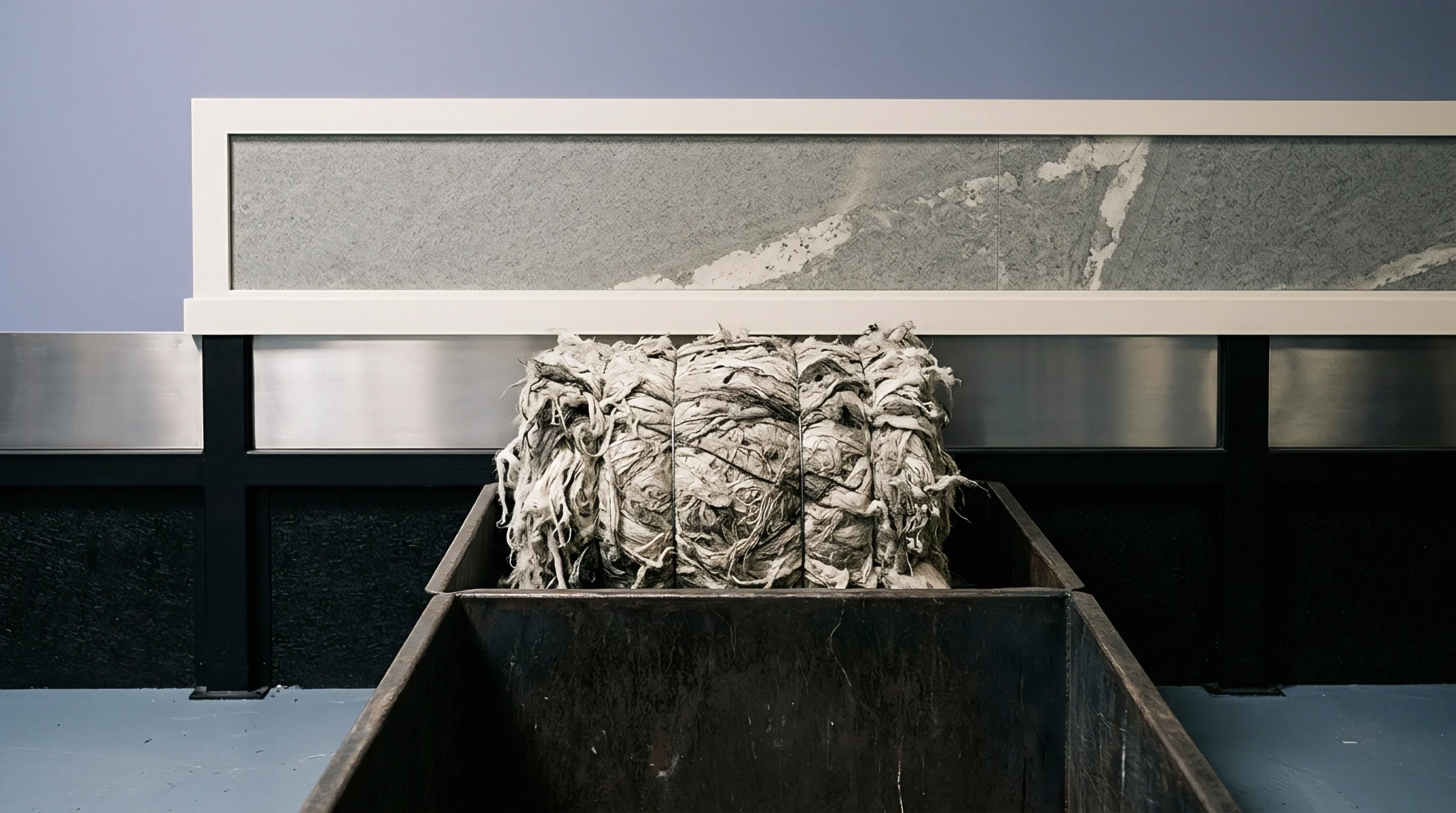
Mechanical extraction of cylindrical interior specimens provides a representative analytical profile of high-density compressed agricultural materials without dismantling entire commercial packaging units. Applied to flax import consignments, core sampling extraction allows certified testing personnel to penetrate compacted bales and retrieve cross-sectional fibre tufts that represent both exterior layers and unexposed interior volumes. The method governs moisture determination, cleanliness verification and biochemical testing for long line flax or short tow shipments prior to processing.
Its operational scope ends at the physical boundary of the bale wrapper, requiring alternative manual sorting techniques for loose, unbaled raw straw.
Rotary Boring
Technicians execute the coring operation using a motorized hollow stainless steel probe equipped with a sharpened, serrated cutting tip. The operator drives the rotating tube horizontally into the side of the compressed bale perpendicular to the direction of baling compression, cutting through multiple overlapping sliver layers. Interior friction generates minimal heat to prevent premature moisture loss during the cutting process.
Once the tube reaches full penetration depth, internal retaining clips or vacuum draw mechanisms capture the cylindrical fibre core as the instrument withdraws from the bale face. Field crews place extracted cores immediately into hermetically sealed glass jars or airtight polyethylene containers, preventing moisture exchange with the ambient warehouse air. Mill receiving departments follow sampling frequency tables specified under national standard GB/T 18885, drawing cores from a predetermined percentage of containers in each incoming delivery lot.
Testing personnel subsequently record bale serial numbers, penetration depths and sampling timestamps on intake inspection manifests. Dull cutting edges or irregular drill speeds crush fibre bundles instead of slicing them cleanly, distorting shive separation assessments and yielding unrepresentative trash content metrics.
Lot Verification
Receiving mills evaluate core sample findings to validate supplier shipping declarations against strict raw material acceptance limits. Technical staff inspect the extracted fibre bundles for moisture percentage, residual shive content and biological mildew colonization. Results from composite core batches determine whether raw fibre lots move directly to combing lines or enter quarantine for commercial price renegotiation.
Spinners demand consistent fibre purity across the whole bale depth, because internal dampness fosters mould rot that weakens tensile strength throughout wet spinning. Commercial agreements establish clear financial price adjustments when core moisture diverges from contract terms, relying entirely on the physical specimen extracted from the heart of the compressed bale.