Sley Acceleration
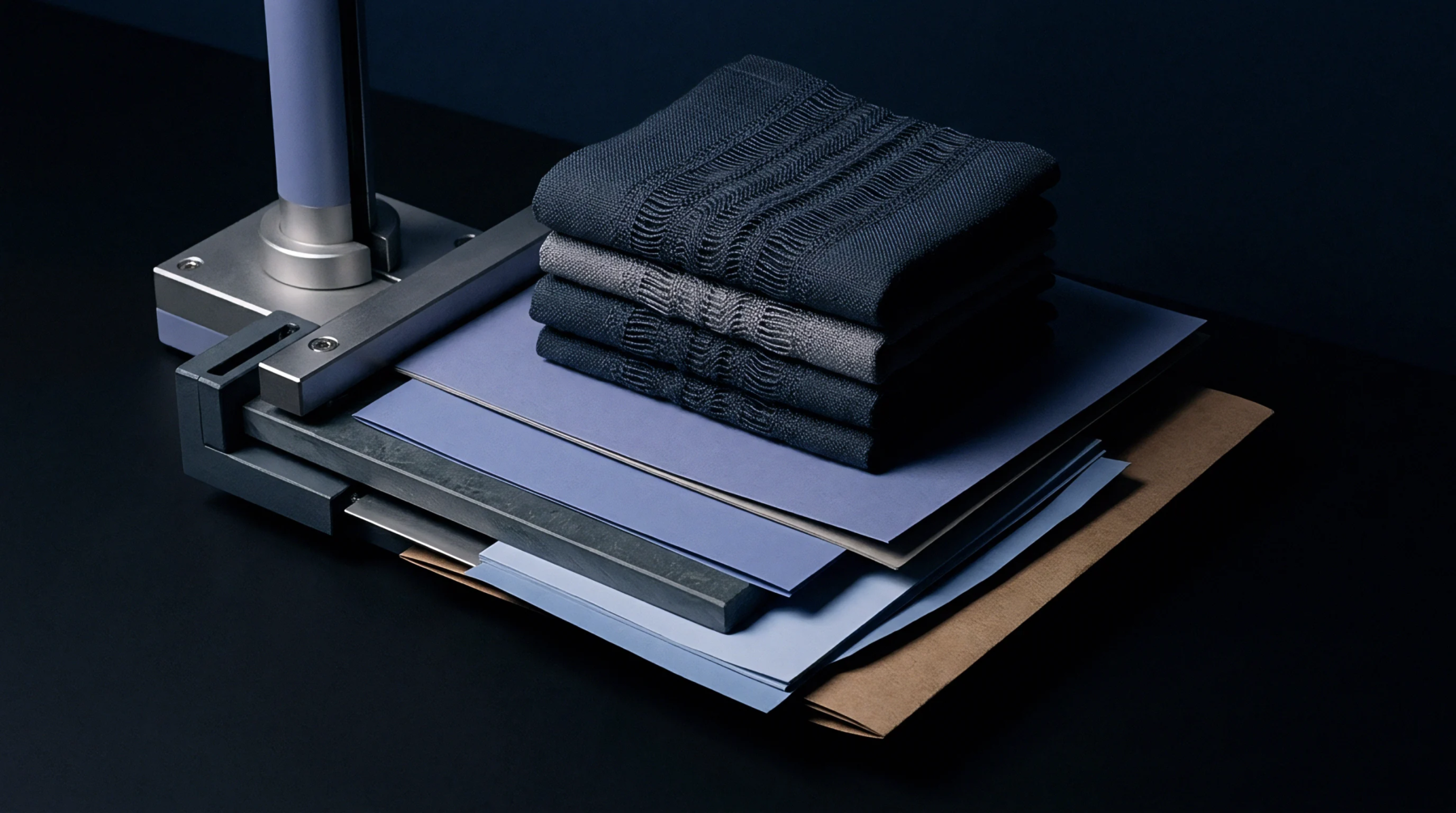
Mechanical analysis of weaving machinery tracks the movements of the reed and sley during the pick insertion and beat-up phases of the cycle. Within broadloom kinematics, the large mass of the wide sley requires asymmetric crank linkages to optimize the acceleration profile. This layout ensures that the beat-up occurs at maximum velocity while minimizing the peak torque required from the drive motor.
Dwell Period
Shuttle or rapier passage across a wide reed space necessitates a prolonged period of rest or slow movement of the sley at its back-centre position. Calculations in broadloom kinematics use multi-bar linkages to extend this window so the pick can be fully inserted before the sley rises. If the reed moves too early, it catches the fill yarn and causes a warp break.
Weft Insertion
Woven fabric width determines the kinetic energy that must be transferred to the weft carrier to ensure complete passage across the shed. In broadloom kinematics, the travel time of the carrier dictates the maximum speed of the loom since the crank must rotate through a fixed angle during insertion. This constraint means that wider looms must run at lower rotational speeds to prevent yarn tension from exceeding the breaking limit of the linen warp.
High tensions are particularly damaging to flax yarns, which have low elasticity and break easily under sudden load spikes.