Standard Authority
Technical standards established by the International Bureau for the Standardisation of Man-Made Fibres govern the testing procedures for commercial trade. These bisfa regulations provide the precise methods for determining moisture regain and commercial mass in textile materials. Although primarily focused on synthetics, they are applied to blended linen yarns containing viscose or polyester to ensure global consistency.
Compliance allows mills to verify that their laboratory results match the requirements of international buyers.
Testing Methodology
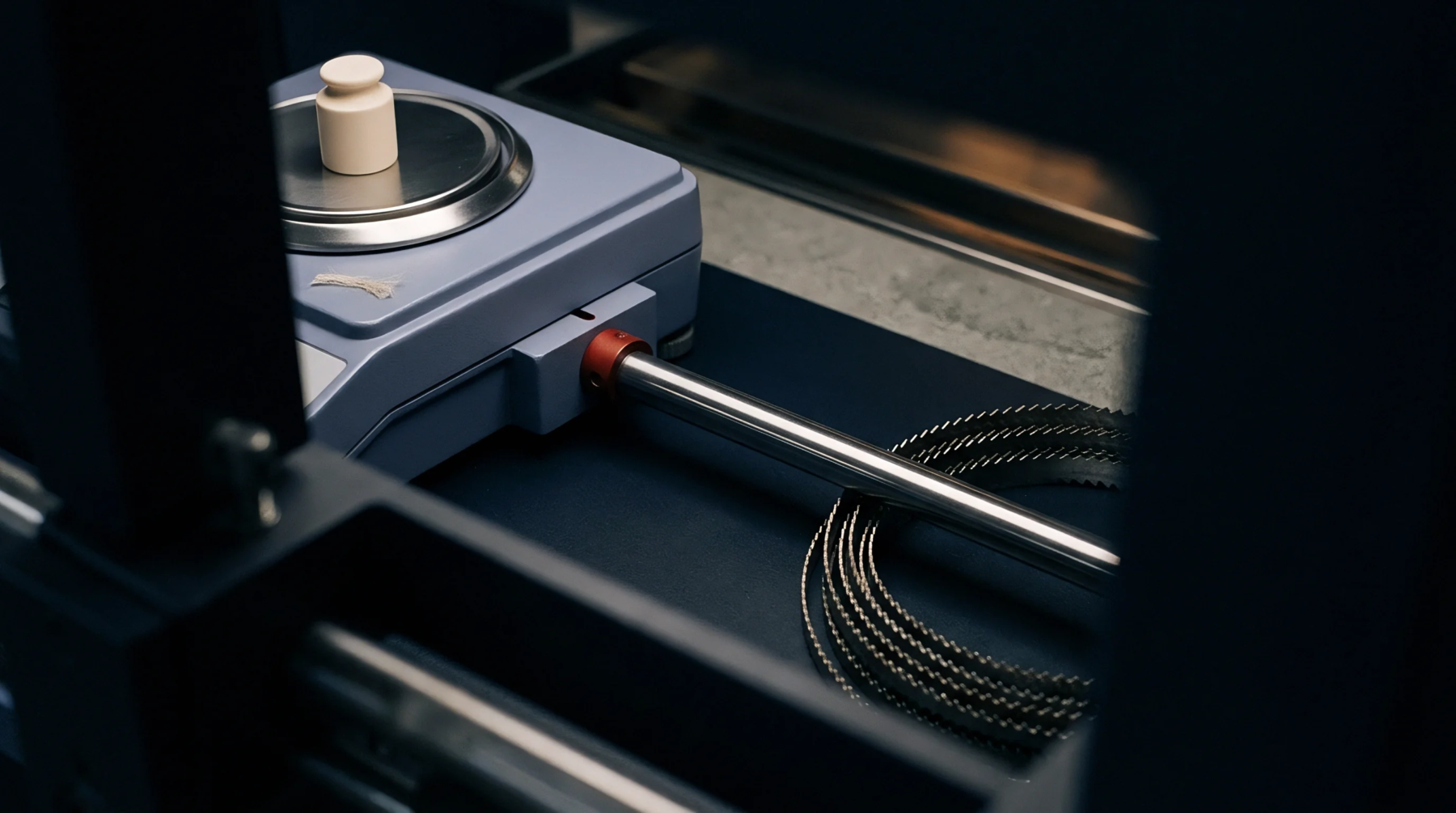
Determination of commercial weight requires heating samples to a bone-dry state before adding a standard allowance. Under bisfa regulations, the oven temperature and the duration of exposure are strictly controlled to prevent thermal degradation of the natural flax component. The process uses a precision balance to measure weight loss until a constant mass is reached.
This value forms the basis for invoicing in large shipments where water content represents a substantial portion of the total mass. Accuracy here prevents financial disputes between the spinning mill and the fabric manufacturer.
Moisture Allowance
Standard percentages are added to the dry weight to calculate the final transaction volume. Different fibres within a blend require specific percentages dictated by bisfa regulations to account for natural absorption. Correct calculation protects the seller from under-billing and the buyer from paying for excess water.