Frictional Wear
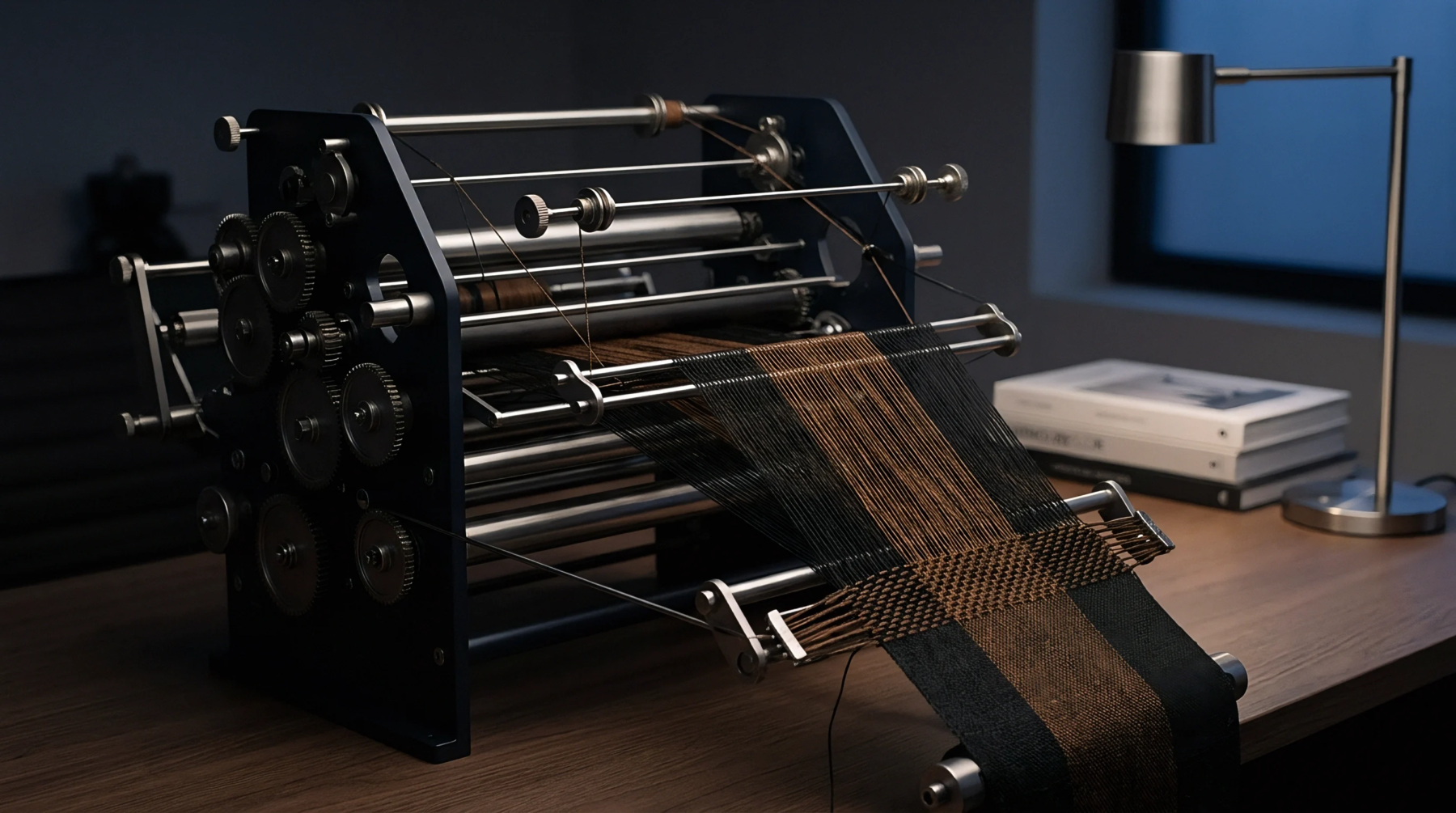
Warp yarn degradation occurs during the weaving process when the loom reed repeatedly strikes the fell of the cloth to compact the newly inserted weft yarn. This recurring mechanical contact causes beat up abrasion, which wears down the protective sizing on flax yarns, exposes the underlying bast fibres to structural damage, and eventually results in costly warp breaks. Industrial weavers evaluate this effect by inspecting the warp sheet for fuzzing, yarn hairiness, and lint accumulation before the loom must be stopped for warp thread repairs.
Warp Tension
Mechanical adjustments on the loom dictate the intensity of the friction experienced by each yarn. High tension levels aggravate the rubbing action of the reed as it moves back and forth. Reducing the loom speed and applying a flexible starch sizing compound mitigate the deterioration of the yarn surface.
Fibre Degradation
Resistance to this action varies with the quality of the flax fibres used in the yarn. Long line flax yarns withstand the repeated impacts of the reed much better than short tow flax yarns because of their superior parallel alignment and longer individual fibre length. Warp yarn breakage rates rise exponentially once the protective coating is fully worn away.