Failure Determination
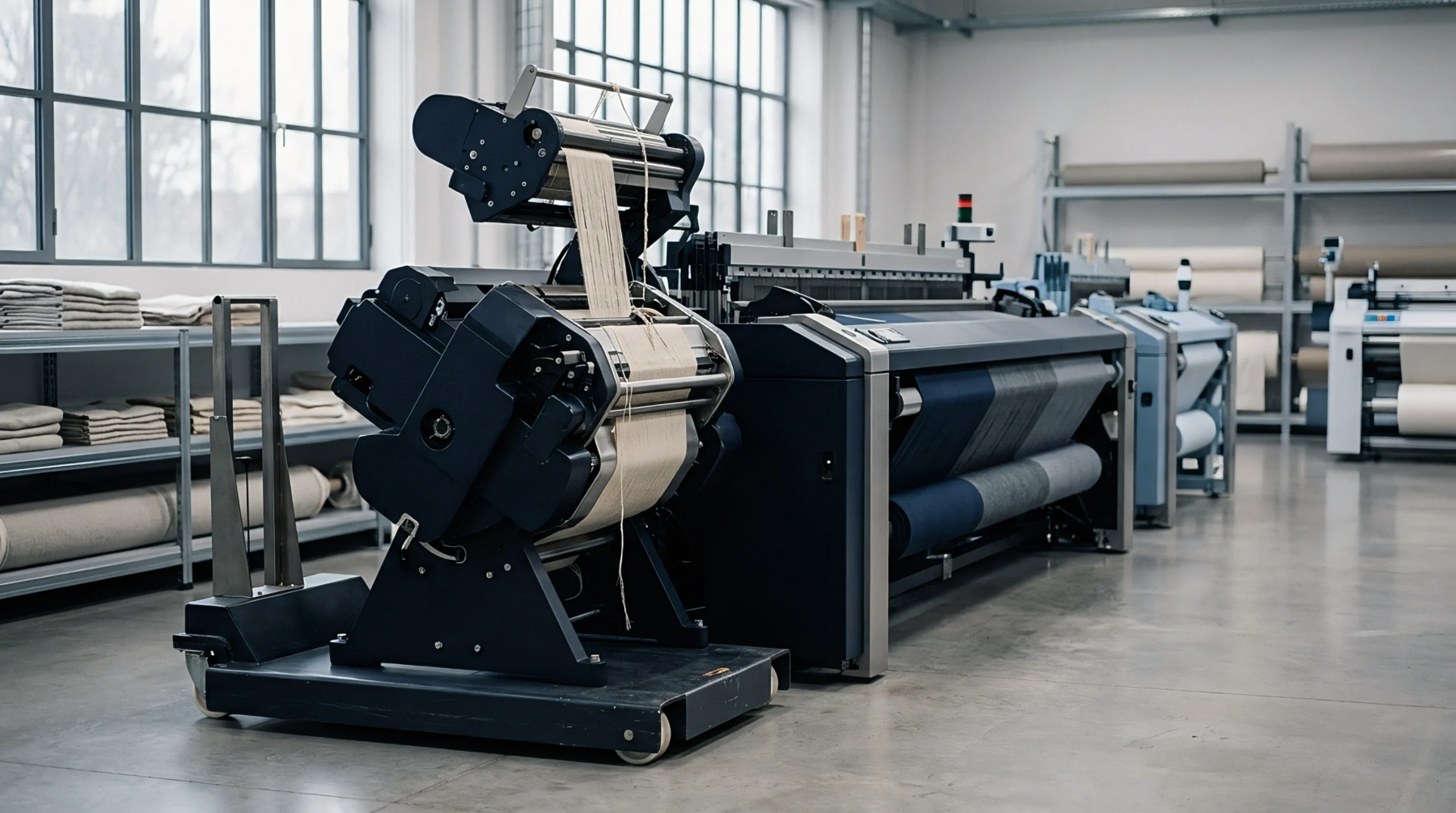
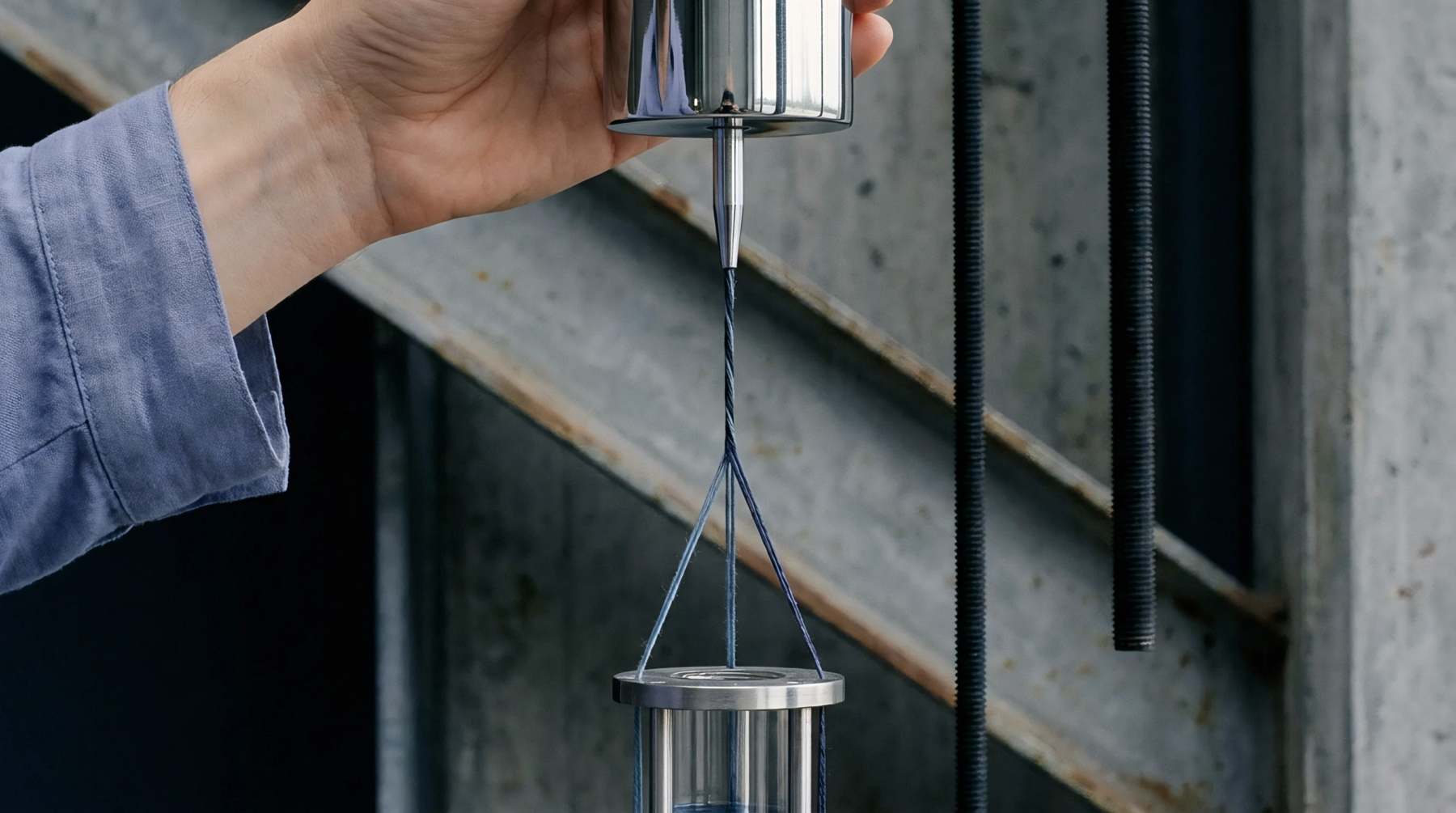
A structural integrity standard measures the break strength of linen yarn bundles before they undergo mechanical looms. The weakest link theory identifies the probability that the total yarn tension capacity remains equal to the resistance of the single lowest rated fibre cluster within a continuous spool. Individual fibres show variance in diameter and density throughout a batch, and the force applied to a warp arrangement exerts pressure on every constituent part at once.
High load forces move through the entire length during high speed machine operation, causing the yarn to snap at the precise location where a hidden flaw exists. Physical defects such as inconsistent cellulose distribution or microscopic surface fractures dictate the threshold for the entire production lot regardless of how strong the surrounding material measures. Manufacturers document these break points on the technical specification sheet to prevent machine stoppages caused by premature yarn rupture.
Material Validation
Procurement departments apply this principle when testing flax batches to establish the acceptance criteria for incoming shipments of scutched fibre. Technicians pull samples from different points in the bale to determine the tensile variance across the lot rather than relying on a mean average. A shipment fails the audit when the lowest observed strength measurement falls below the agreed safety margin for the intended warp density.
Assessing the variance allows the mill to calibrate the tension settings on the drawing frames to avoid constant breakage during the spinning phase. Proper identification of the lower threshold saves raw material by keeping the machine speed within the physical limits of the fibre.
Quality Threshold
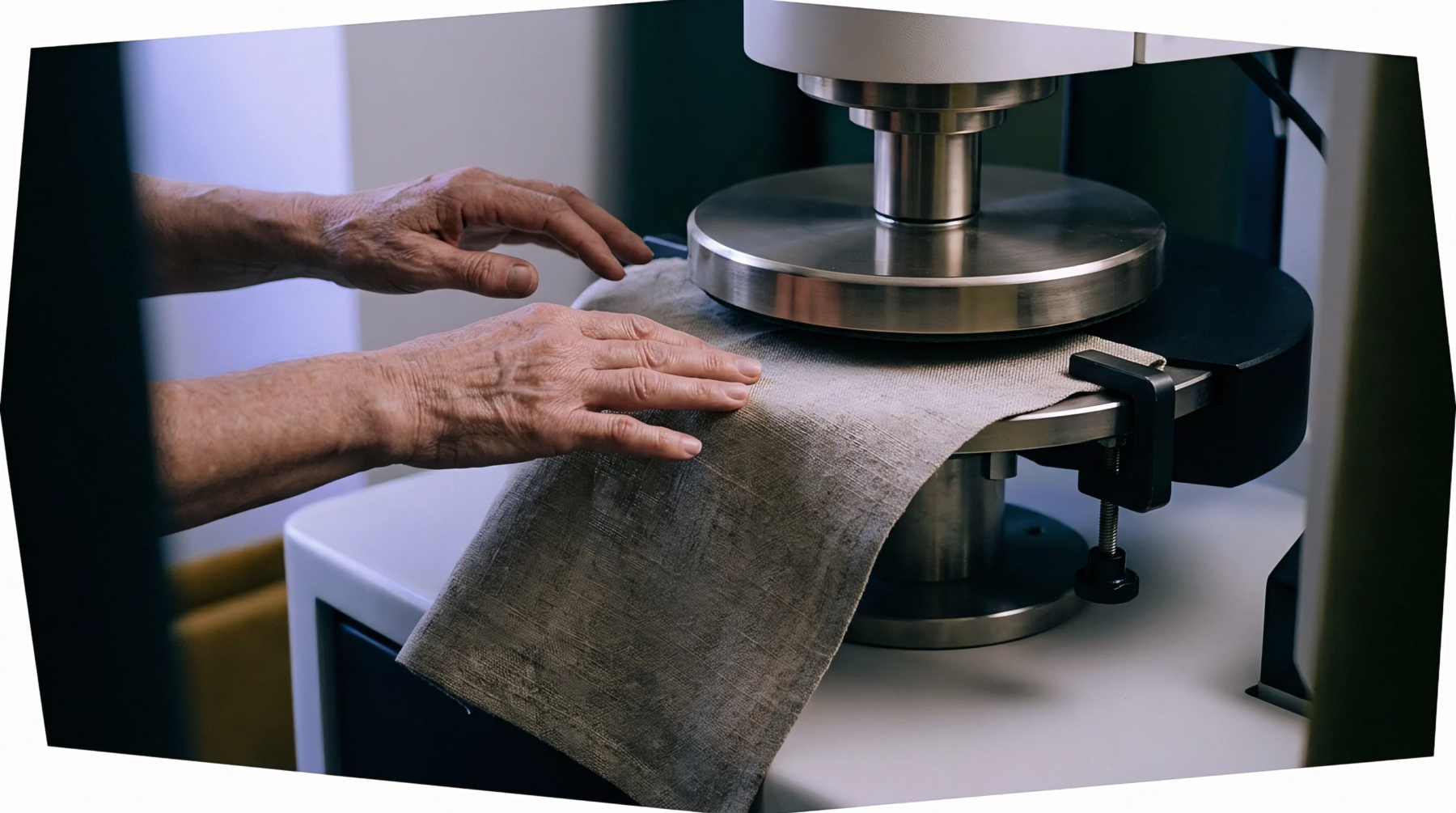
Performance limits dictate the maximum tension applied to woven cloth during industrial finishing processes such as dyeing and coating. Machines pull the linen through rollers that exert significant drag, and the weakest link theory predicts the point where structural fatigue occurs across the fabric width. Operators calculate the total stress capacity by identifying the most fragile section of the weave where yarn alignment exhibits the most inconsistency.
Any tension exceeding this calculated boundary risks creating permanent distortion or microscopic tears that lower the final grade of the finished textile. Accurate estimation of the break limit prevents damage to expensive fabric rolls during high pressure processing cycles.