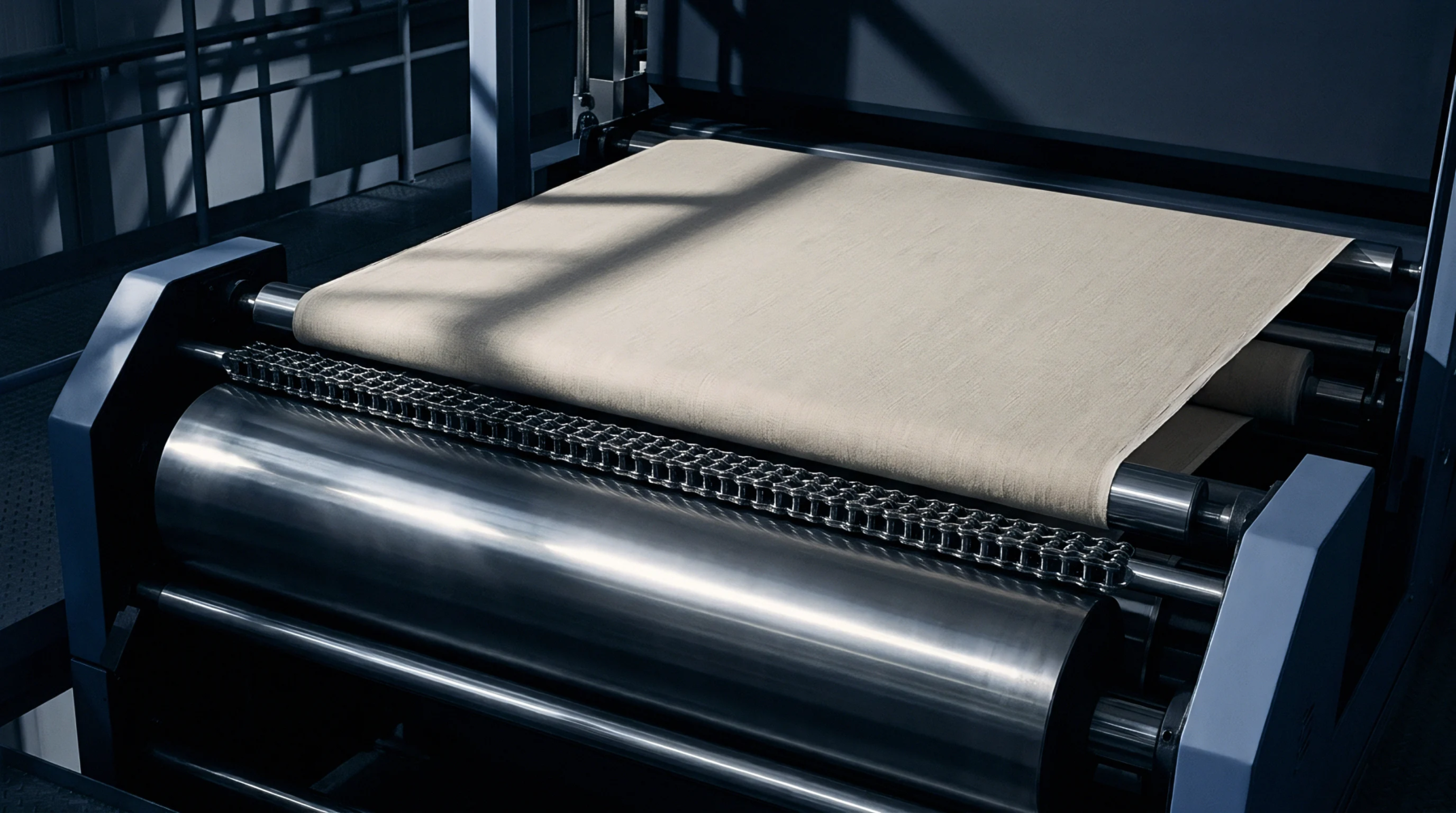
Scouring Mechanism
Industrial cleaning of raw bast fibres uses high-frequency sound waves to remove waxes and impurities from the plant material. Through the ultrasonic solvent scour, microscopic cavitation bubbles form in the solvent bath to dislodge stubborn pectin from the flax surface. This action penetrates deep into the fibre bundles without the need for harsh chemicals.
Operational Efficiency
Textile mills utilize this cleaning technique to shorten processing times and reduce energy consumption in the finishing department. When the ultrasonic solvent scour is implemented, the amount of time required to prepare flax fibres for spinning is reduced by half compared to traditional boiling methods. This rapid cleaning minimizes the chemical exposure of the delicate cellulose chains, preserving the natural strength of the flax.
This high efficiency makes the technique highly attractive for modern eco-friendly linen production. Lower energy usage also helps the mill meet environmental sustainability targets.
Quality Improvement
Clean flax fibres are easier to spin and produce a yarn with a much smoother texture. Following an ultrasonic solvent scour, the yarn exhibits fewer surface defects and a more uniform dye uptake. This improvement in quality directly translates to a softer, more luxurious finish in the final woven linen fabric.
Spinning mills that adopt this advanced cleaning method produce high-grade yarns for the fine apparel market.