Material Degradation State
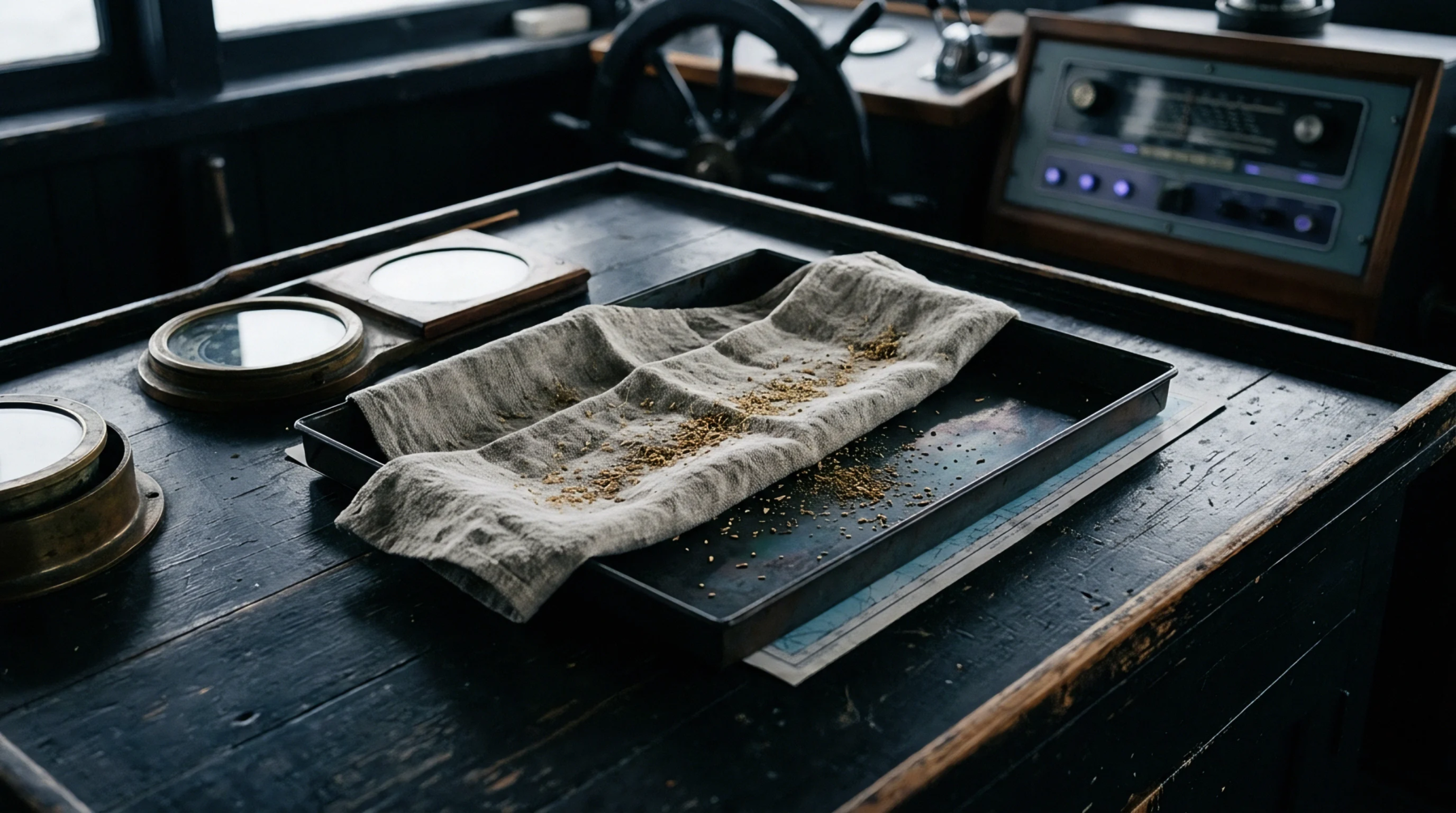
Structural weakening occurs when natural fibers are exposed to excessive heat for prolonged periods during finishing or drying stages. Thermal embrittlement is the loss of flexibility and tensile strength in linen fabric caused by the dehydration of the cellulose molecules. This condition leads to a harsh hand feel and a tendency for the fibers to snap under minor stress.
Finishing Temperature Limit
Flax is sensitive to this damage because its high crystallinity makes it vulnerable to the loss of internal structural water. When thermal embrittlement takes hold the fabric can no longer be effectively softened or processed through mechanical finishing. Monitoring the temperature of the stenter frame is the only way to prevent this irreversible change in the fiber property during the final drying phase.
If the heat exceeds the limit for too long the fabric turns yellow and loses its natural elasticity.
Fabric Quality Loss
Laboratory tests for tear strength often reveal the presence of this defect before the cloth leaves the mill. Avoiding thermal embrittlement ensures that the linen retains its characteristic durability and natural sheen through repeated washing. A scorched or brittle fabric is rejected by buyers during the final quality inspection.