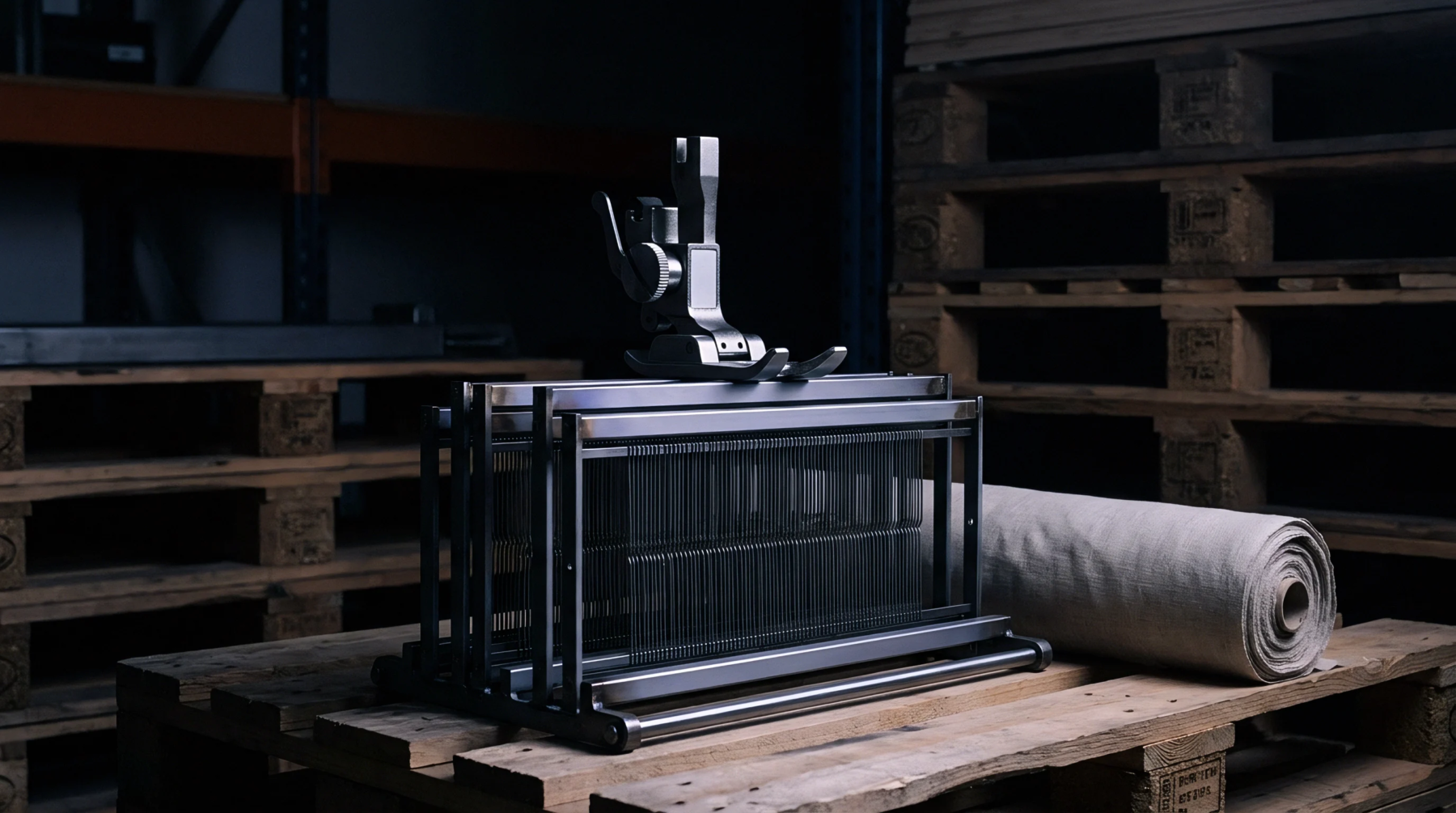
Mechanical Stress
Instantaneous increases in the force applied to yarn during spinning or weaving can lead to structural failures. These tension peak spikes occur when the thread encounters resistance from machinery components or knots.
Spinning Interference
Rapid fluctuations in the winding speed or friction within the yarn path generate localized stress points. During the production of fine linen yarn, tension peak spikes are often caused by slubs or unevenness in the bast fibers. These sudden jumps in tension exceed the tensile strength of the thread, resulting in a break that stops the machine.
Frequent interruptions reduce the overall efficiency of the mill and can introduce defects into the finished cloth. Sensors on modern spinning frames detect these events in real time to allow for immediate adjustment of the motor speed.
Quality Monitoring
Data logs from the winding department track the frequency and magnitude of these events to identify problematic batches of raw material. A high number of tension peak spikes indicates that the flax was not properly refined or that the humidity in the spinning room is too low. In the weaving shed, these spikes can lead to warp breaks that leave visible marks in the fabric.
Mill managers use these statistics to schedule maintenance on the ceramic guides and tensioning discs. By minimizing these mechanical shocks, the mill can produce a more uniform and high quality textile for the export market.