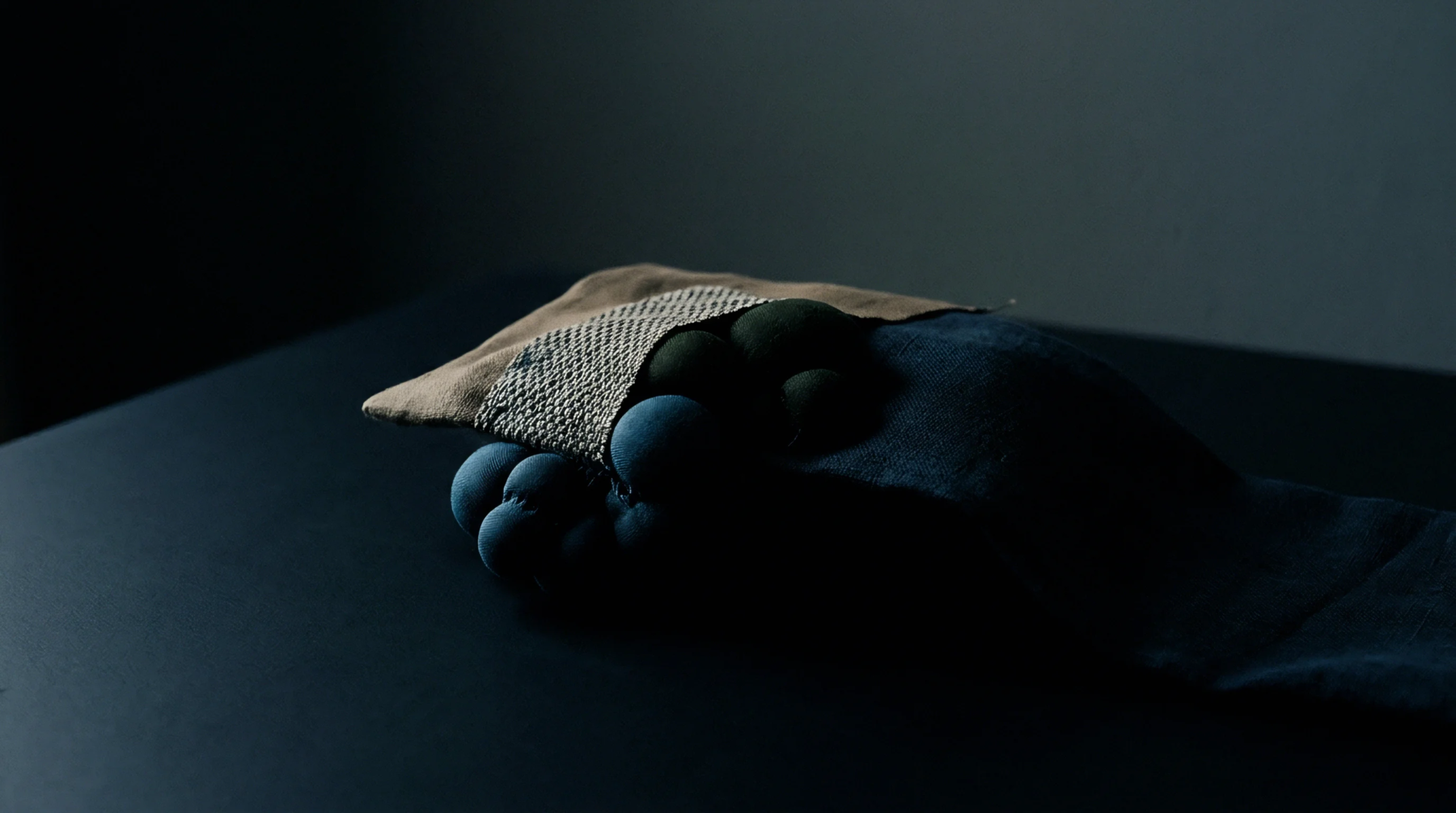
Elastomeric Resistance
A standardized index measuring the resistance of vulcanized rubber or polymer roll coverings to permanent surface indentation governs roller deformation during yarn drafting and wet processing. In flax spinning, shore hardness determines how top drafting aprons and squeeze rollers deform under applied pneumatic pressure. Correct durometer selection balances fiber gripping capability against mechanical wear life across wet and dry spinning zones.
Durometer Calibration
A calibrated durometer presser foot measures indentation depth on the rubber cot surface, expressing hardness on the Shore A scale for flexible elastomers. Soft roller covers rating between sixty-five and seventy-five Shore A offer greater surface contact area, enhancing fiber control during drafting of fine wet-spun linen yarns. Harder covers ranging from eighty to ninety Shore A resist groove formation and abrasive wear caused by stiff flax fibers on high-speed spinning frames.
Heat build-up and chemical absorption during wet spinning alter cot elasticity over time, requiring periodic shore hardness testing during routine maintenance overhauls. Regrinding restores roller surface parallelism, but repeated grinding thins the rubber layer and increases effective hardness.
Wear Boundary
Roller covers that exceed hardness specifications reduce fiber nip contact area, causing uncontrolled fiber drafting and thick yarn defects. Extremely soft cots deform excessively, generating high frictional heat that degrades synthetic rubber compounds.