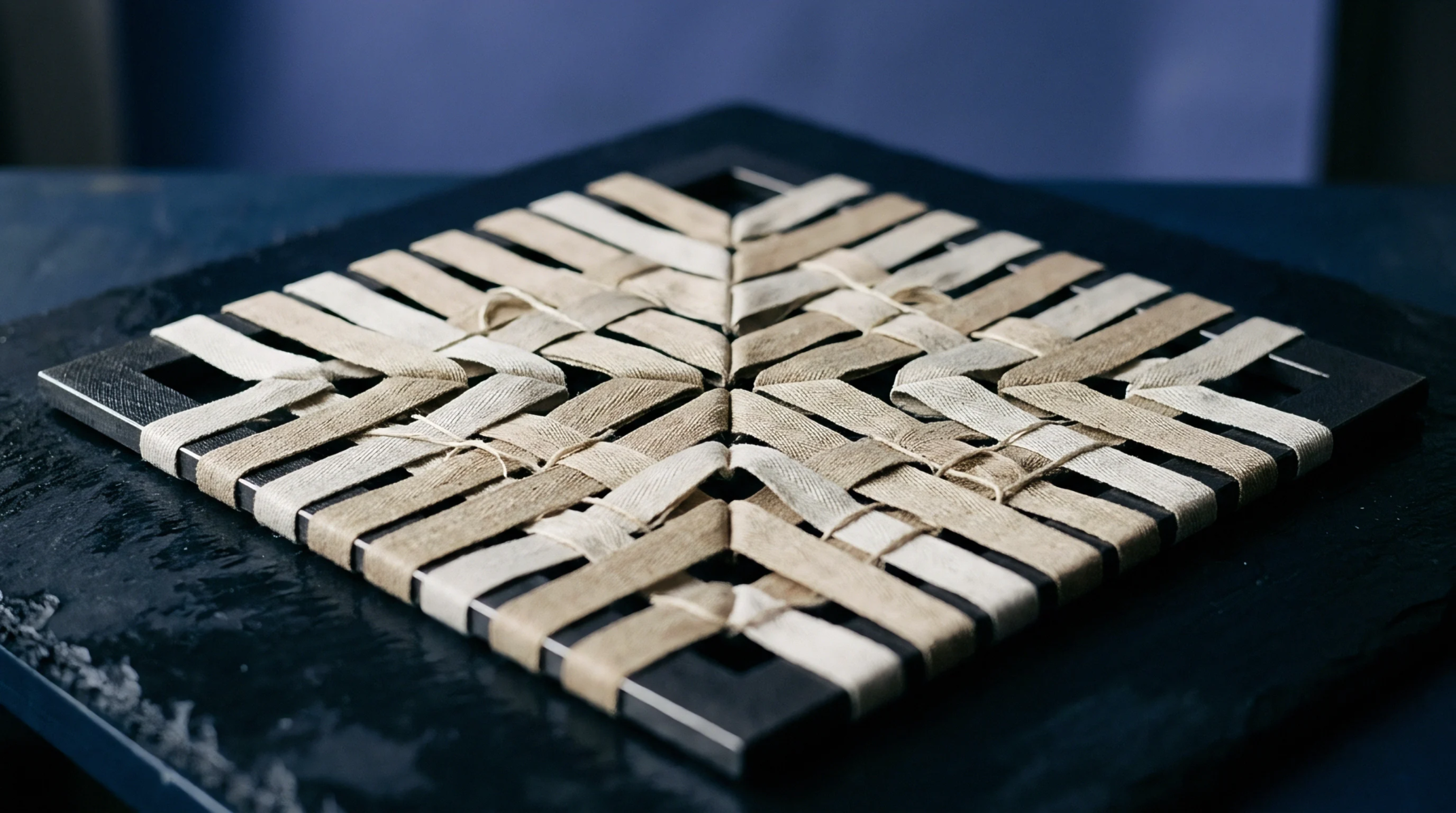
Fabric Integrity
A load limit represents the maximum force applied to a join in a woven textile before the constituent yarns slide apart and create an opening in the cloth structure. This seam slippage threshold functions as a quality parameter for linen manufacturers, ensuring that finished garments or household linens maintain structural wholeness during high-stress activities. Technicians measure the opening of the gap in millimetres under a specific perpendicular pull, which standardizes the assessment of how well a particular weave pattern holds together against lateral strain.
Testing Protocols
Evaluation occurs within the finishing department where inspectors mount fabric samples into a tensile testing machine to simulate the tension found at joints. A consistent force pushes against the joined edge until the gap reaches a predetermined width, often six millimetres for standard apparel weight flax linens. Operators record the peak load registered at this point of separation on the final quality inspection report.
Heavier weight fabrics for upholstery often require higher force values to pass the acceptance criteria established by the purchasing agent. Differences between fibre strength and finishing chemicals change the resistance level of the material during this physical stress test.
Market Compliance
Trade contracts rely on these numerical values to verify that the manufactured goods meet the requirements for intended end uses. Buyers reject consignments that fail the established limits, as loose construction leads to rapid failure in retail environments. Suppliers utilize the recorded data to adjust loom settings or increase the density of the warp and weft for improved density.
Producers who provide documentation of passing results secure better terms in long-term procurement agreements. Proper internal validation of these load figures reduces the frequency of returns originating from structural issues at the factory level.