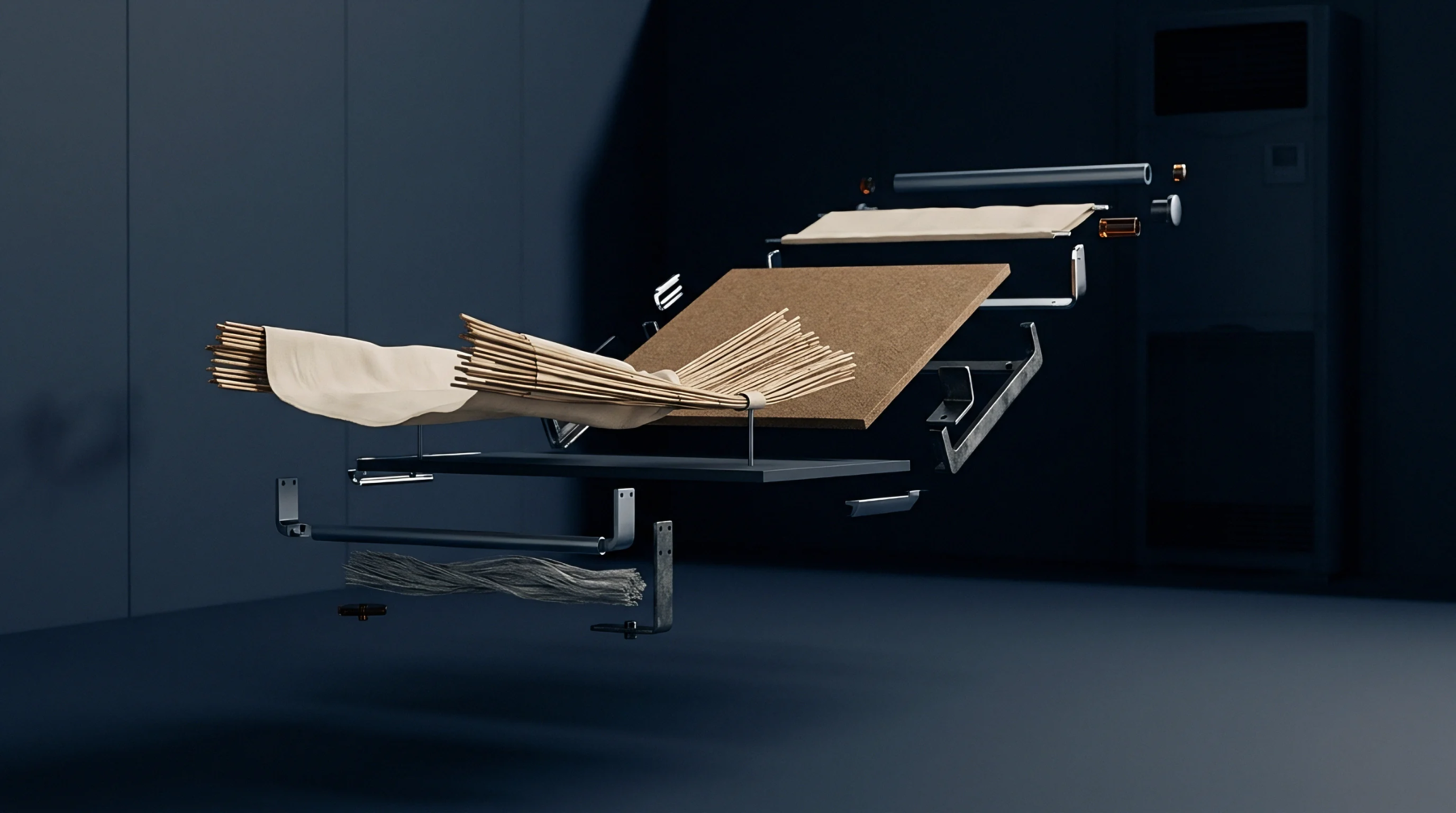
Heat Regulation
Infrared energy sources pass along the interior surfaces of flax spinning frames to stabilize ambient temperatures during high speed drafting. This roving thermal treatment minimizes the risk of fibre breakage by softening natural waxes within the plant stem. Controlled heat application reduces static electricity buildup that interferes with the drafting rollers and creates irregular yarn diameters.
Precision sensors monitor the surface temperature of the machinery to prevent the ignition of volatile dust particles within the mill environment.
Application Parameters
Technical specifications mandate that the thermal energy remains within a set range to avoid dehydrating the cellulose structure of the fibre. Excess temperature causes the linen to lose its natural moisture content which results in brittle yarn and poor tensile strength in the final cloth. Operators verify the output of these heat emitters during each shift change by comparing infrared readings against the established baseline recorded in the production log.
Operational Consistency
Standardized heating protocols maintain the mechanical efficiency of the drafting process across different batches of raw flax material. Regular thermal maintenance prevents the accumulation of sticky residue on the metal rollers that arises from inconsistent heating of the fibrous material. Reliable heat management ensures that the machinery sustains high output speeds without requiring frequent downtime for manual cleaning or roller replacement.
Uniform temperature distribution across the entire frame provides the physical stability required for consistent yarn count throughout the spinning phase of production.