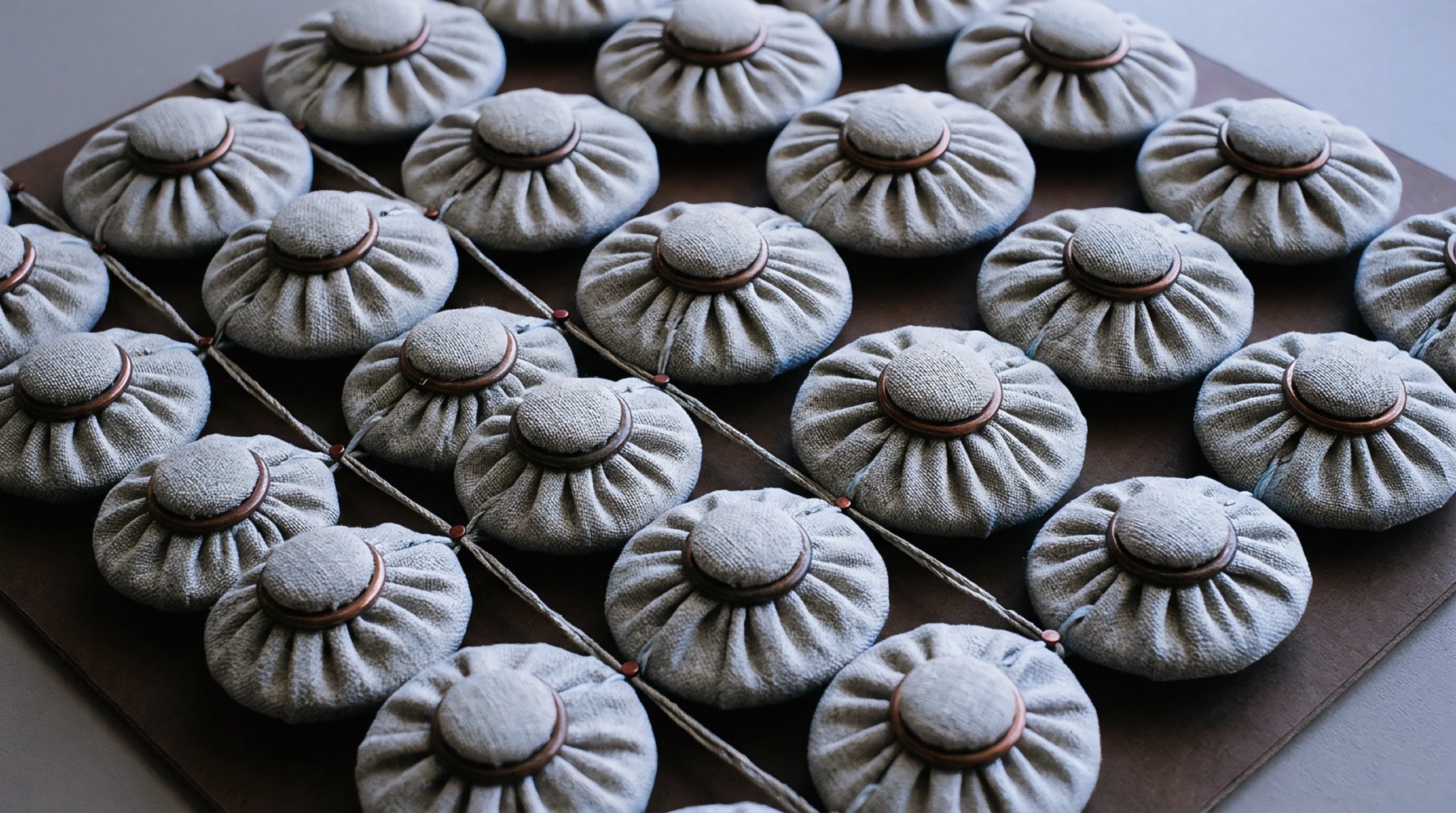
Kinetic Impulse
Sudden release of compressed air from the main nozzle creates a pulse that propels the linen yarn into the weaving shed. A pneumatic shock wave provides the initial acceleration needed to overcome the inertia of the heavy flax fiber. The intensity of the wave is controlled by the nozzle diameter and the pressure setting in the loom’s pneumatic tank.
Proper wave formation ensures the yarn enters the shed straight and at the correct velocity.
Nozzle Performance
Efficiency of the pneumatic shock wave depends on the condition of the nozzle tip and the quality of the air supply. Dirt or oil in the air stream disrupts the wave front and causes the yarn to tumble. A well-formed wave carries the yarn deep into the profile reed where the relay nozzles take over.
Technicians inspect the nozzles regularly for wear that might soften the impact of the air pulse. This maintenance keeps the insertion process reliable over millions of picks.
Acceleration Effect
Stronger pneumatic shock wave settings are required for coarse linen yarns that resist movement. Excessive force can strip the fibers or cause the yarn to untwist. Technicians calibrate the pressure to balance speed against yarn quality.