Production Alignment
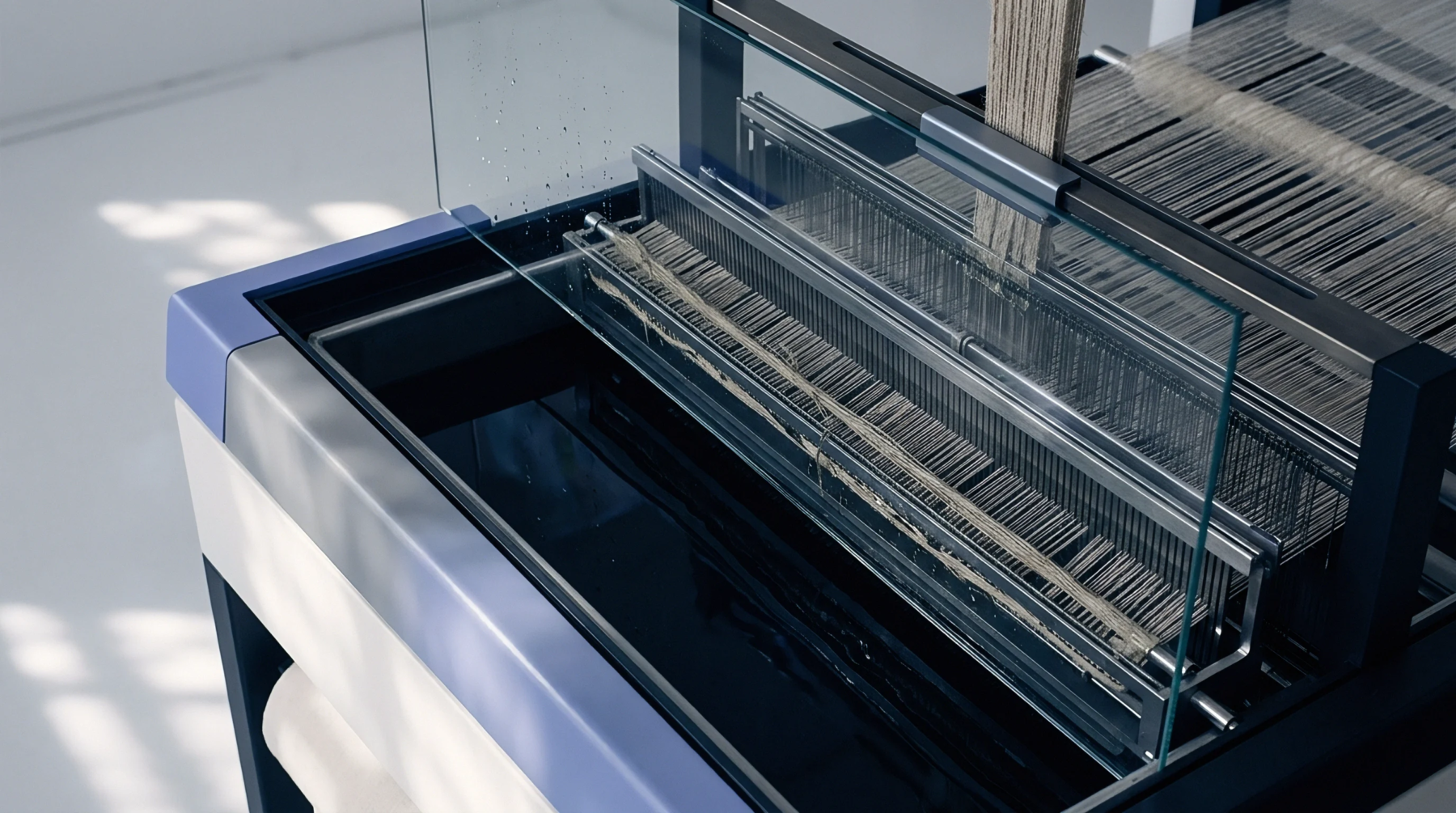
Verification procedure compares physical machine data against reported output logs during the fabric weaving phase. Pick counter reconciliation identifies discrepancies between the electronic register on the loom and the actual count of filling yarn insertions per unit of length in the finished bolt. Disparities often highlight mechanical slippage or faults in the encoder calibration that prevent the counter from registering every motion.
Technicians use this audit to ensure the recorded production totals match the physical inventory present in the mill.
Audit Mechanism
Electronic controllers track each shuttle movement across the warp, recording the density of the fabric to ensure the product meets defined grade standards. Pick counter reconciliation confirms that the sum of these sensor signals equals the recorded length of the cloth on the batching roll. Mechanical errors occur when sensors misfire during high speed operation or after a warp breakage leads to manual restarts.
Staff must compare the automated log entries against the physical tally recorded on the production ticket before the roll proceeds to the finishing department. Regular verification of these totals maintains the accuracy of inventory control systems used to track raw material consumption.
Operational Consequence
Precision in this verification task prevents significant imbalances between internal accounting systems and actual warehouse stock levels. Fabric quality relies upon the density matching the specifications provided by the buyer, which remains difficult to verify if the counter reports drift from the physical reality. Discrepancies represent a fundamental breakdown in the traceability of the product from the initial spinning stage through to export shipping.
Reliable reconciliation ensures that the final cloth grade corresponds correctly to the production logs maintained during the manufacturing cycle.