Detection Calibration
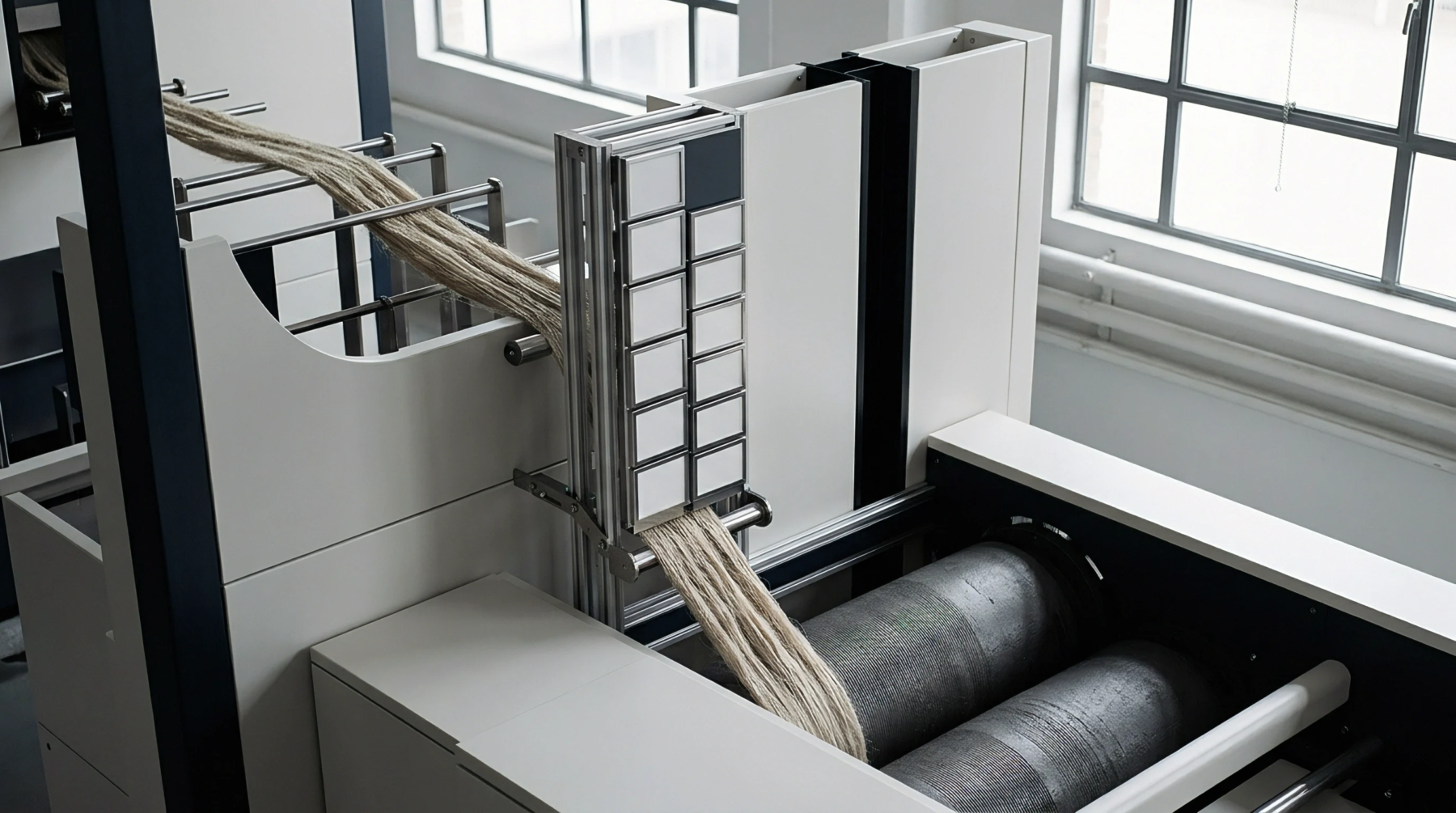
Fibre speed measurement happens through optical gates that track individual yarn segments as they enter the loom shed. Pick arrival sensors monitor the exact moment when the shuttle or projectile reaches the far side of the mechanism, ensuring that the timing matches the harness motion to prevent faults. These devices generate a pulse signal whenever an object interrupts the beam, allowing the controller to verify that the insertion velocity stays within established thresholds for the specific fibre grade.
Fabric quality depends on this precise synchronization because early or late entries create loose loops or uneven tension in the finished textile.
Input Sequence
Each individual unit acts as a trigger for the primary control board to halt production if the timing fails to align with the crankshaft rotation. The hardware registers the passage of the weft carrier by sensing the light modulation across the gap, confirming that the material occupies the correct position before the reed beats it into the fell of the cloth. High-speed spinning and weaving environments rely on this continuous feedback to detect missing picks or broken filaments before the defect compounds across multiple meters of output.
Verification Logic
Machine logic compares the arrival signal against a reference window defined by the degree of the main drive shaft. A delay exceeding the tolerance limit triggers an immediate stop command to the motor, protecting the reed from potential damage caused by an improperly positioned weft. The system stores the latency duration for every cycle to identify patterns of mechanical wear or calibration drift in the drive components.
Reliable performance of this monitoring hardware constitutes the primary defense against the production of defective fabric lots.