Reconciliation Accounting
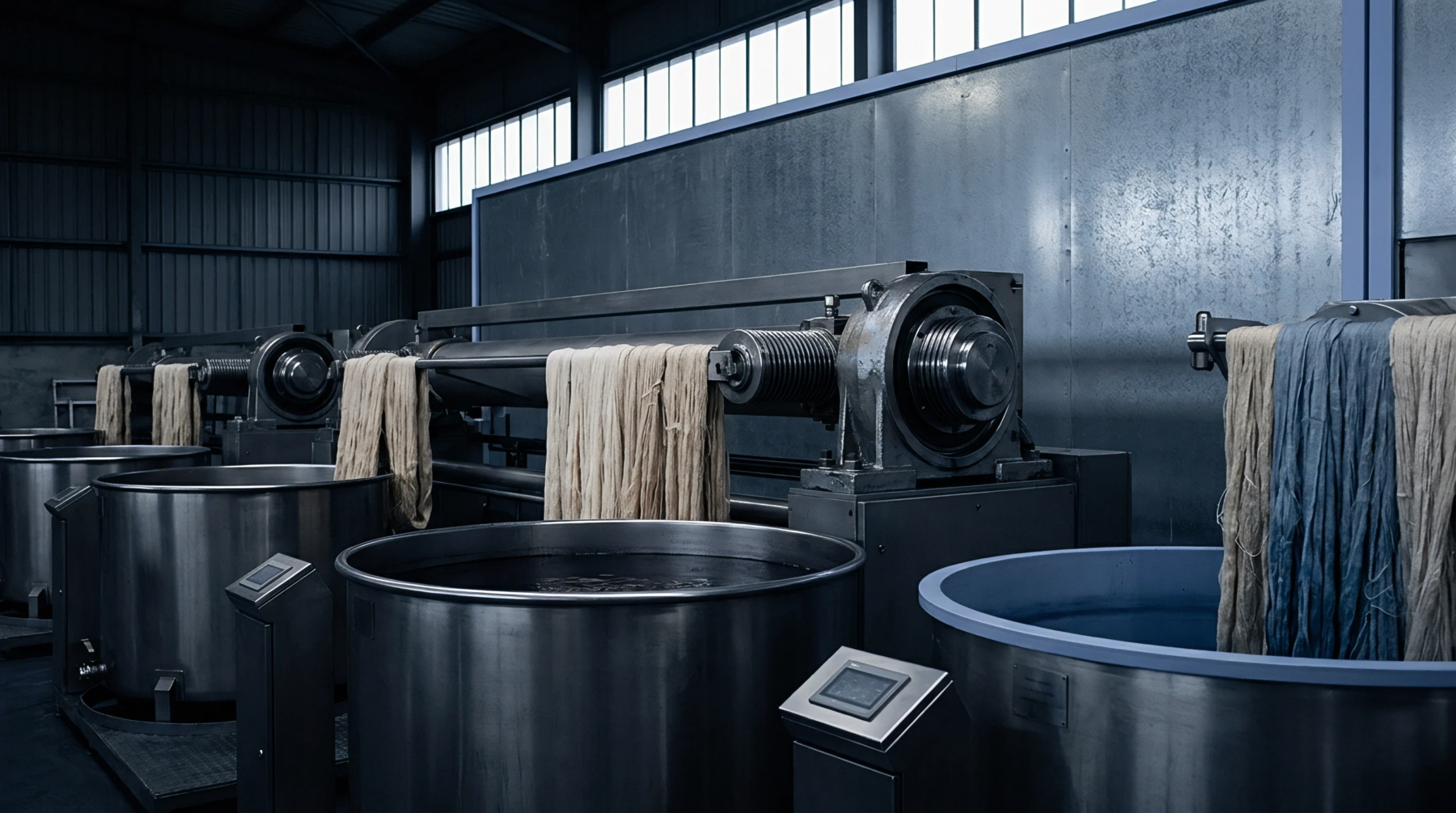
Verification frameworks for textile provenance apply rigorous reconciliation procedures to monitor sustainable fibre inputs against documented product outputs. Through systematic mass balance auditing, certification auditors quantify the volume of certified sustainable or organic flax entering a spinning mill, weaving shed or wet-finishing house, matching those purchases against sales records of certified yarn and grey cloth. The procedure isolates raw material deliveries, batch recipe allocations, combing noil percentages and spinning waste.
Converting raw inputs into finished goods creates unavoidable loss fractions that must match physical balance tables.
Loss Allocation
Material calculations require verified documentation for every processing step across the mill. During the conversion of scutched long flax into wet-spun yarn, comb losses, carding fly and moisture adjustments reduce net weight, demanding precise conversion factor formulas in the ledger. Auditors evaluate production run sheets, weighbridge dockets, purchase invoices and warehouse stock ledgers to confirm that certified volume sales never exceed documented physical throughput.
Fabric weaving calculations incorporate sizing uptake, warp beam scrap, weft waste and trimming scrap into the reconciliation equation.
Chain Verification
Regulatory scope for balance auditing covers the administrative custody of material attributes across consecutive ownership transfers without requiring physical segregation of certified fibres in production lines. This accounting model under mass balance auditing allows mills to process certified and conventional flax on the same spinning frames, provided aggregate sales remain within verified input quotas. The methodology does not verify physical origin in a single finished garment, stopping short of identity preserved traceability where physical isolation remains mandatory.