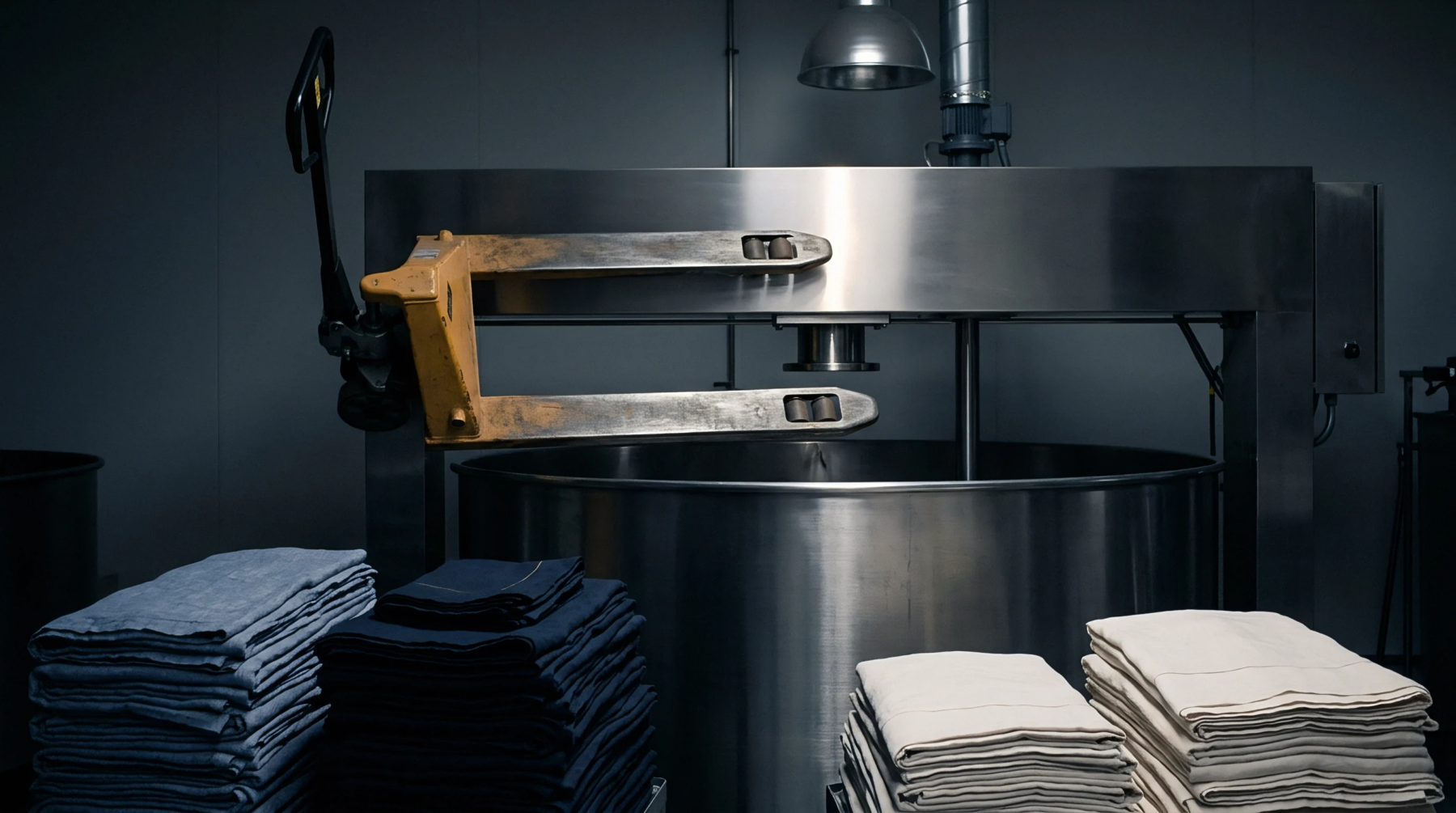
Finished Goods
Finished goods represent final textile products prepared for retail distribution after undergoing assembly from processed yardage. These made up textile articles transition from base fabrics into functional items like table linens, bed coverings, or domestic soft furnishings. Production protocols for these items follow strict dimensions and hem finish specifications documented in the final purchase order.
Inspection criteria shift from raw fibre quality to the integrity of seams, consistency of dimensions, and presence of correct labels.
Measurement Parameters
Quality standards for these items depend on the precise application of sewing specifications rather than the intrinsic tensile strength of the greige cloth. Mill inspectors evaluate the accuracy of cutting lines and the density of stitch counts per centimetre to confirm technical conformity. A defect in a finished piece arises when the physical dimension falls outside the tolerances specified by the buyer.
Each finished unit requires a visual scan for needle holes or tension puckering that might compromise the structural durability of the item. Functional stability remains the primary goal for all items that pass final packing and exit the manufacturing facility.
Distribution Boundaries
Warehousing and export logistics treat these goods as distinct from industrial rolls because the individual packaging requires protection against moisture and folding creases. Proper storage ensures that the textile components retain their shape and appearance throughout international transit periods. Shipping containers hold these items in cartons designed to prevent compression damage to the structured edges and decorative surfaces.
Retail acceptance relies on the consistent uniformity of every batch arriving at the destination port. Consistent manufacturing controls eliminate variability between shipments and ensure that the final product reaches the buyer in the expected condition.