Linen Classification
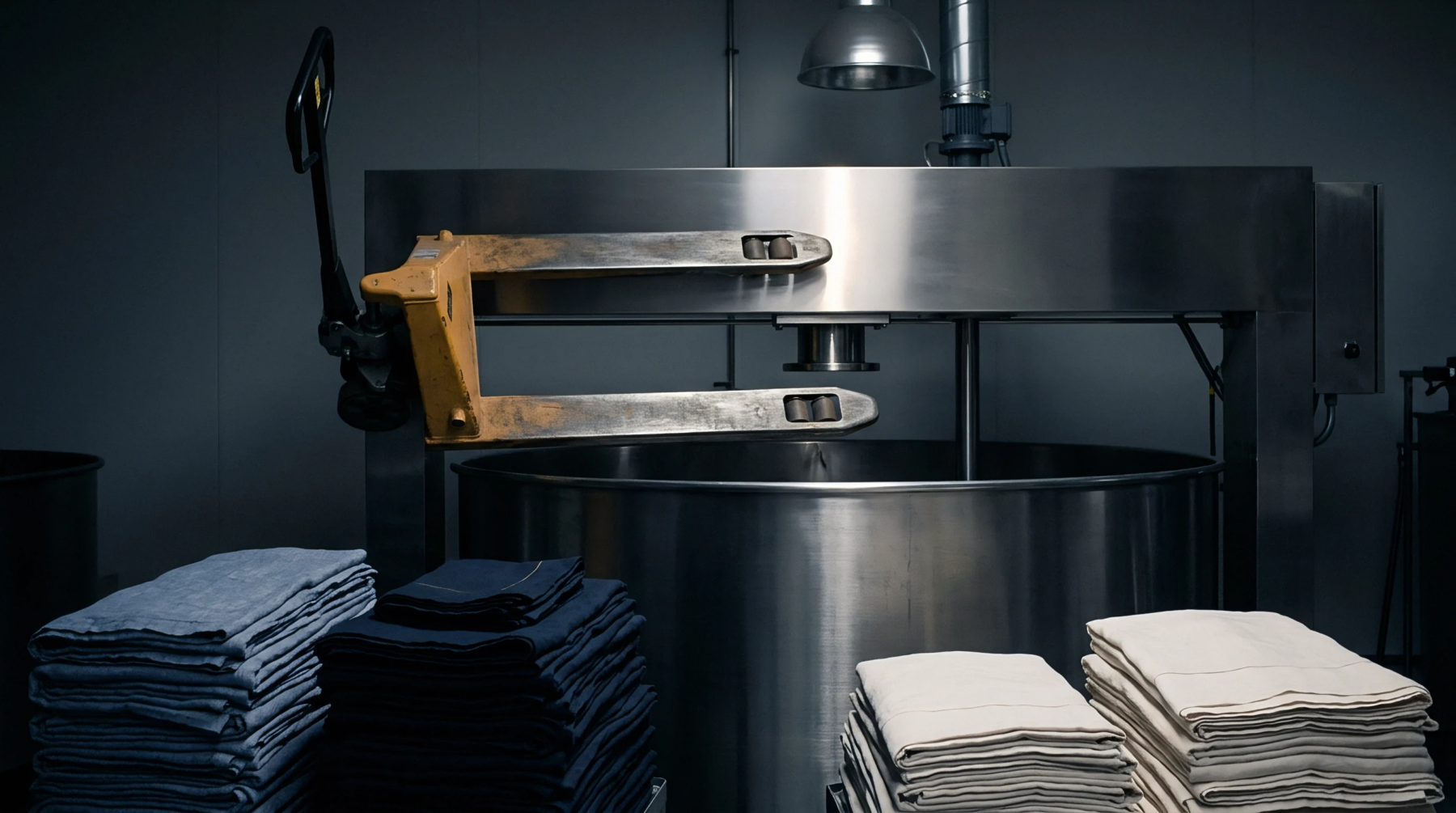
Bed linen, table linen, toilet linen and kitchen linen form the category governed by hs heading 6302. This classification determines customs duty rates and regulatory compliance for finished textile articles manufactured from flax fibres. The code applies to items that have undergone the final stages of cutting and sewing after the weaving process concludes.
It excludes unfinished rolls of fabric and raw flax yarns which reside under earlier chapters of the harmonized system.
Export Specification
Documentation for these finished goods must identify the fibre content and the specific weight of the material to ensure correct tariff application. Mills often verify these parameters at the point of packing to avoid shipment delays during customs clearance. Buyers frequently require a certificate of origin alongside the commercial invoice to confirm that the goods meet the threshold for preferential trade agreements.
A test report from a third party laboratory sometimes serves as proof of composition when flax constitutes a specific percentage of the total mass. Mill internal standards for quality control focus on stitch density and seam integrity to prevent returns from high end retailers. Acceptance criteria defined by the buyer usually override factory specifications when discrepancies arise regarding dimensional stability or colour fastness during the laundering of these items.
Trade Regulation
Harmonized system codes provide a common language for global commerce and allow authorities to track the volume of imported textile goods. Uniformity in applying these categories prevents classification disputes between suppliers and national border agencies. Consistency across international borders facilitates the accurate collection of trade statistics for the sector.
Tariff schedules update periodically to account for new product types that did not exist when the original nomenclature was developed. Trade authorities rely on these stable definitions to enforce industrial policy.