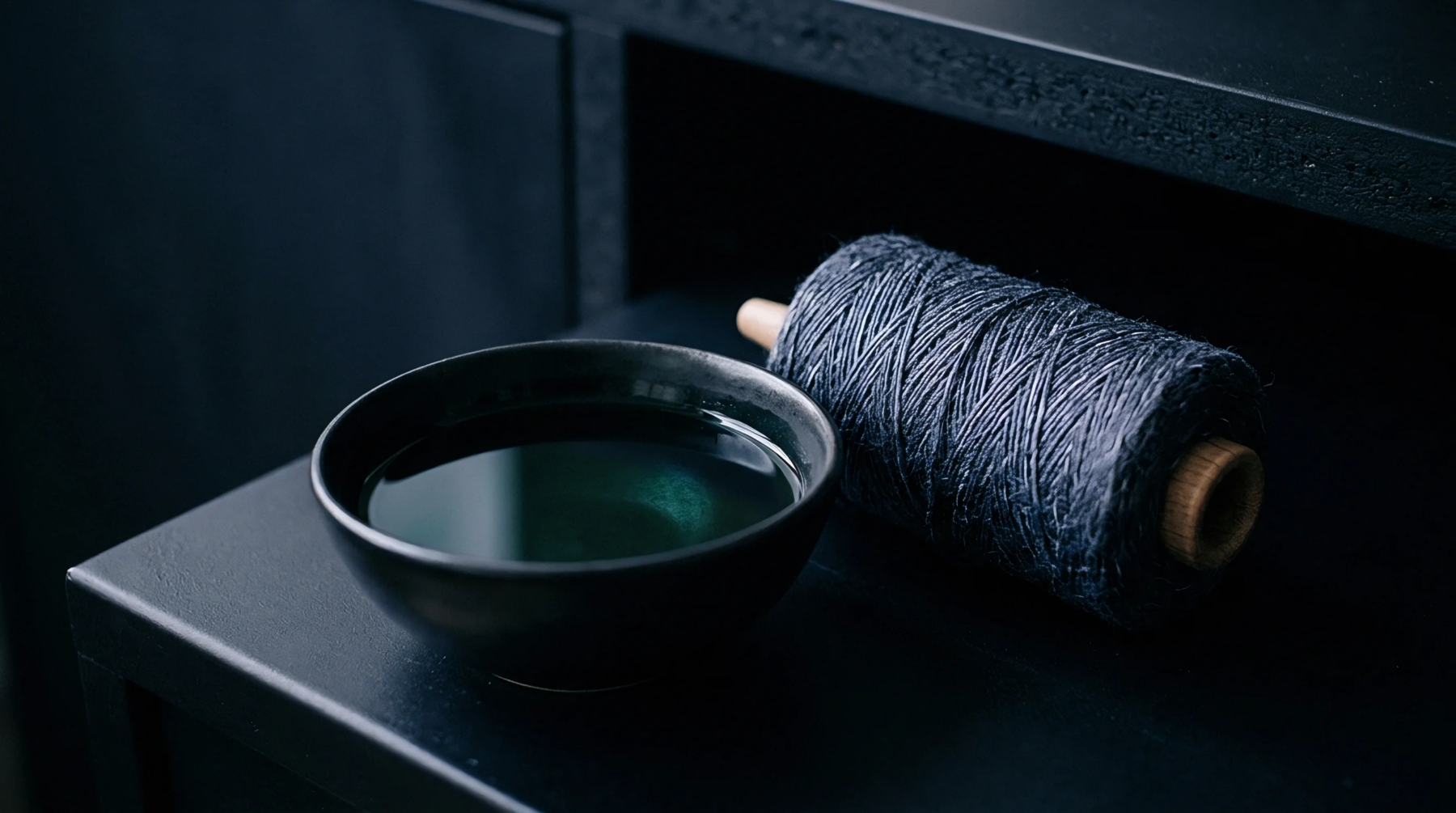
Chemical Dissolution
Degradation of hemicellulosic matrices during the retended or enzymatic processing of flax stems facilitates the isolation of high-purity cellulose fibres. This biochemical reaction, known as glucuronoxylan cleavage, breaks the complex polysaccharides that bind the individual fiber bundles to the woody shive. Acidic or alkaline solutions are applied at elevated temperatures to hydrolyze the glycosidic bonds within the xylan backbone.
Successful extraction yields soft, flexible fibres that are easily processed on hackling and spinning machinery.
Enzymatic Treatment
Specialized xylanase formulations are employed in modern mills to catalyze this reaction without damaging the valuable cellulose structure. By targeting the ester and ether linkages, glucuronoxylan cleavage allows for a rapid reduction in the gum content of the raw flax. This enzymatic approach reduces the reliance on harsh chemical agents, making the degumming process more environmentally sustainable.
Chemical costs are reduced. The reaction rate must be monitored to prevent the over-processing of the fibre bundle, which would lead to fiber weakness and excessive waste in combing.
Quality Consequence
Separating the individual fibres through targeted digestion directly determines the softness and spinning performance of the resulting line flax. Incomplete glucuronoxylan cleavage leaves hard, resinous residues on the fiber surface, resulting in coarse yarn with high stiffness. Conversely, complete digestion ensures that the fibers can slide smoothly during the wet spinning process.