Mechanical Resistance
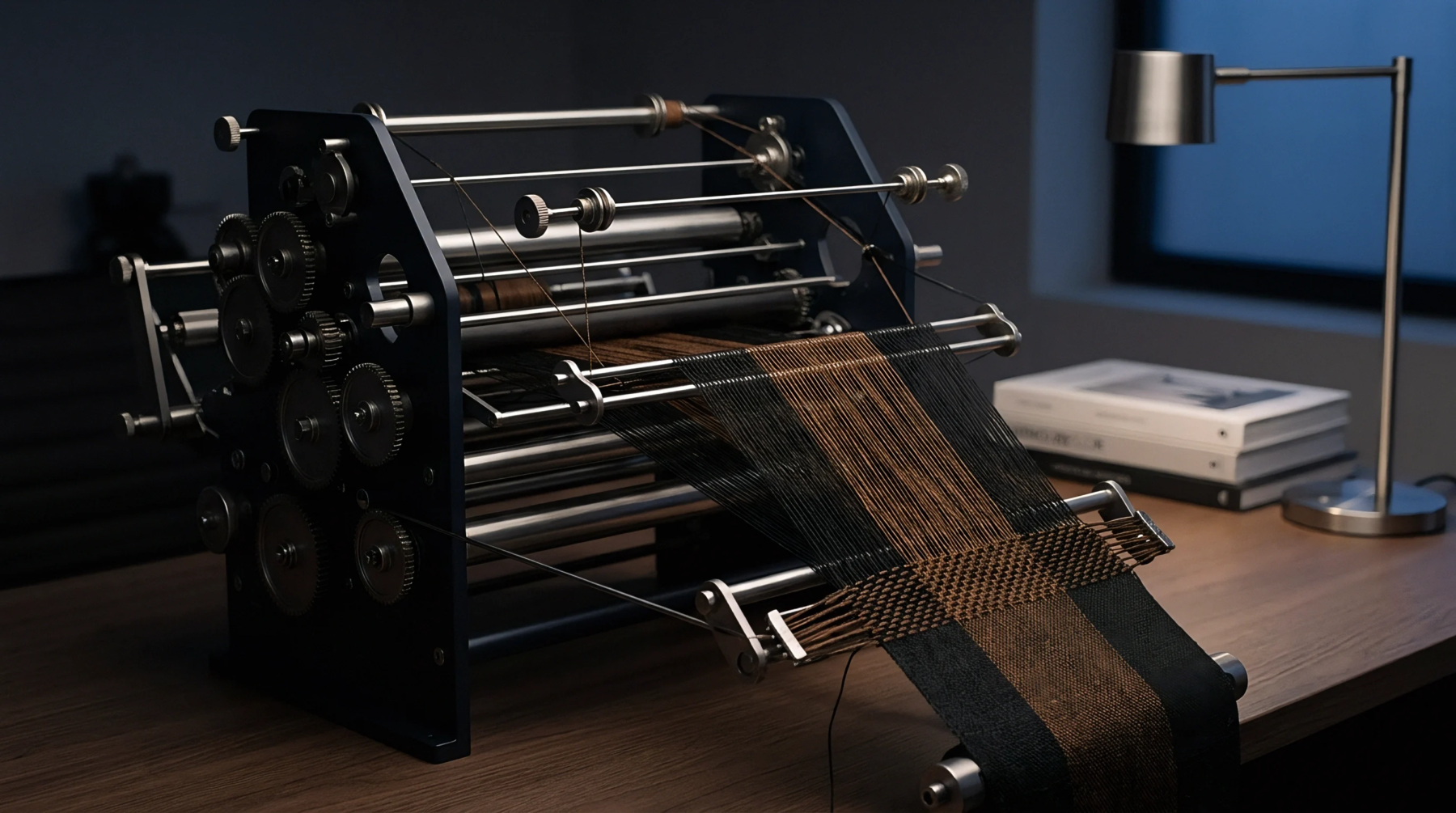
High-speed spinning and weaving equipment relies on the smooth passage of flax yarn through guides and reed wires to maintain continuous operation. A friction stoppage occurs when excessive resistance between the yarn and these contact surfaces triggers automatic machine sensors to halt the process.
Operational Delay
Halting a loom or spinning frame to rethread a broken strand creates an immediate drop in overall equipment efficiency. During a friction stoppage, the operator must locate the blocked guide, clear the accumulated flax dust or wax, tie the yarn end, and restart the machinery. This downtime increases the labor cost per kilogram of yarn and disrupts the production schedule.
Weaving mills track the frequency of these events to assess yarn quality, as rougher yarns generate more frequent interruptions, and they use these metrics to grade the processability of incoming flax shipments.
Maintenance Strategy
Routine cleaning schedules and the use of low-friction yarn guides help prevent these costly interruptions in the production cycle. Installing polished ceramic yarn guides reduces the drag on the yarn compared to traditional steel guides. Additionally, applying appropriate sizing agents to the linen yarn during winding reduces surface roughness and suppresses lint generation.
Mill managers rely on these chemical treatments to maintain high loom speeds and avoid the tension spikes that lead to machine shut downs.